

Anytime Call
Drop Email Us
Office Location
Serving Los Angeles, CA & Nearby Areas
Restoration Tips, Guides & Expert Advice
Home Restoration Blog & Resources
Explore practical tips, prevention guides, and expert insights on protecting your home from damage. Our blog helps homeowners understand common issues, avoid costly mistakes, and make informed decisions when restoration is needed.
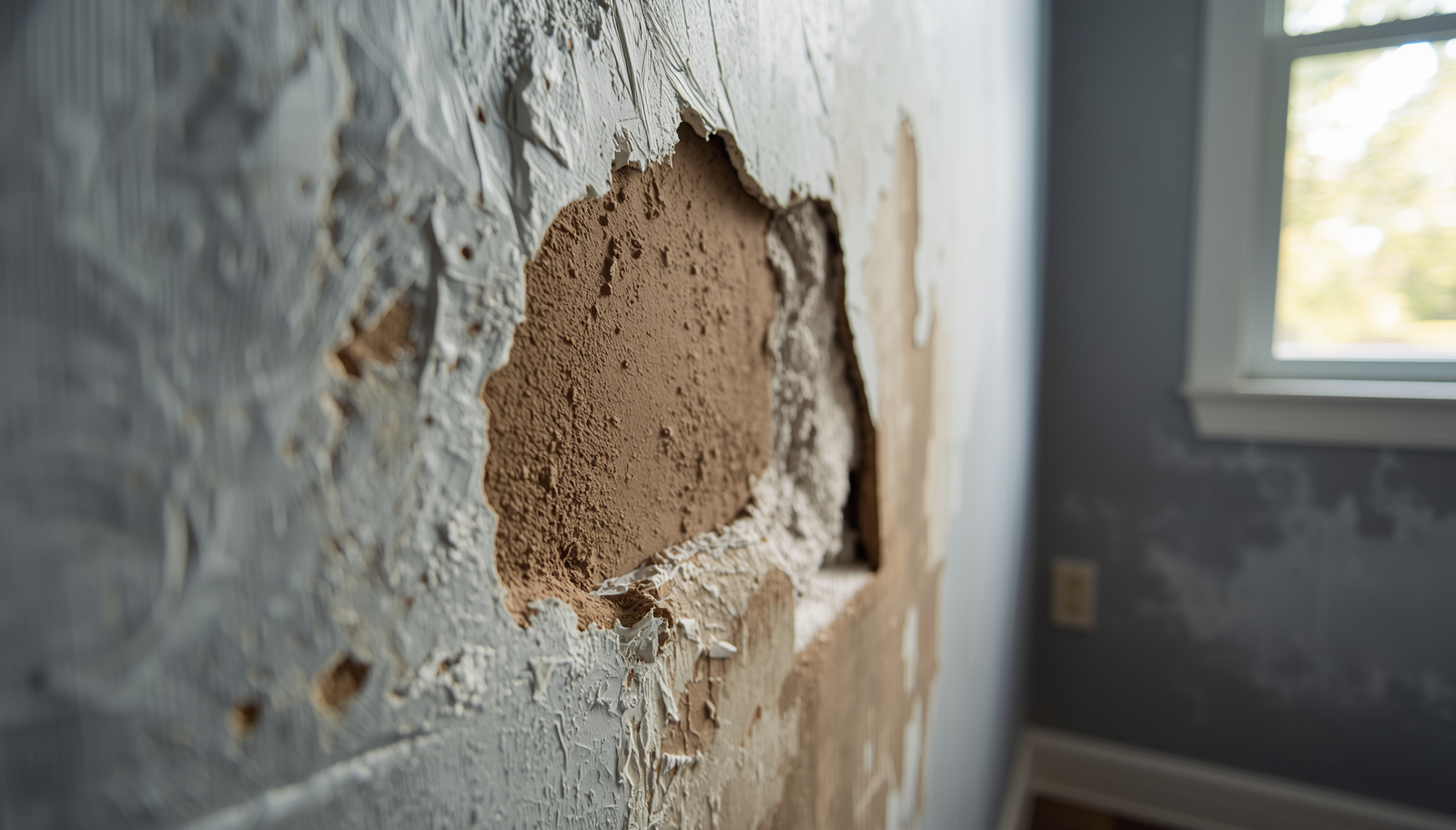
How to Spot, Prevent, and Help Repair Drywall Water Damage
TLDR: Too Long, Don't Read
Drywall is highly susceptible to water damage. Warning signs include warping, swelling, sagging, discoloration, staining, soft or spongy texture, peeling paint, and musty odors indicating mold growth. Common causes include plumbing leaks, roof damage, HVAC condensation, appliance failures, and storm damage. Prevention includes regular inspections, gutter maintenance, proper caulking, and HVAC servicing. Minor damage under 4 inches may be DIY repairable, but extensive damage requires professional restoration including moisture removal, mold remediation, and complete reconstruction. Acting quickly within 24-48 hours prevents mold growth and structural deterioration.
Seeing water residue on drywall can be confusing and scary.
Left untreated, excessive moisture can lead to severe issues like structural damage and mold growth.
Luckily, there are steps you can take to help mitigate water damage on your walls, particularly drywall common in Los Angeles homes throughout Van Nuys, Sherman Oaks, North Hollywood, and surrounding areas.
This comprehensive guide walks you through spotting, preventing, and addressing drywall water damage in your property.
For immediate professional drywall water damage restoration throughout Greater Los Angeles, visit our Google Business Profile or contact 77 Rapid Restore now for 24/7 emergency response.
Can Water Damage Harm Drywall?
Yes, absolutely. Drywall is very susceptible to water damage.
As soon as drywall gets wet, the paper backing starts deteriorating and the material loses its structural integrity.
Understanding Drywall Construction
Drywall consists of:
Gypsum core - Porous material that absorbs water readily
Paper facing - Front and back paper layers providing smooth surface
Taped joints - Seams sealed with joint compound
This construction makes drywall particularly vulnerable to moisture.
How Moisture Affects Drywall
The amount of moisture determines just how damaged your drywall becomes.
Minor water exposure:
Spilling a bottle of water against your wall is not going to do much damage
Surface moisture usually dries without lasting effects
Paint may show temporary spotting
Significant water exposure:
A bathroom flooded by a backed-up toilet causes structural damage
Joints that hold up drywall pieces can fail
Wooden framing can deteriorate
Mold colonization begins within 24 to 48 hours
Even without direct contact with drywall, water damage breeds mold spores.
If left to dry independently without proper mitigation, these mold spores rot and decay, releasing foul odors and creating health hazards.
What Does Water Damage Look Like?
Drywall water damage can take on many different appearances.
It often makes walls appear:
Warped
Water causes gypsum to expand unevenly, creating:
Waves in wall surface
Bulging sections
Irregular contours
Lost structural integrity
Swollen
Absorbed moisture makes drywall:
Expand beyond original dimensions
Protrude from wall plane
Separate from framing
Lose fastener hold
Sagging
Saturated drywall becomes heavy, resulting in:
Drooping from ceiling
Pulling away from framing
Nail or screw pop-outs
Collapse risks in severe cases
Discolored
Water creates visible staining:
Brown or yellow spots
Rings showing water levels
Darker patches indicating saturation
Rust stains from metal components
Additional Visual Signs
Peeling paint - Paint losing adhesion from moisture beneath
Bubbling texture - Trapped moisture creating raised areas
Crumbling edges - Deteriorated paper facing
Soft or spongy texture - When pressed, feels different than solid drywall
Visible mold growth - Black, green, or white spots
Hidden Damage
Keep in mind that mold can appear behind drywall.
In those cases, sometimes the only hint of damage is:
Foul, mildewy smell
Musty odors that persist
Increase in allergy symptoms
Respiratory problems in household members
Unexplained health effects
If you notice these signs, replacing the damaged drywall may be your only option.
What Causes Drywall to Get Wet?
From a broken window during heavy rain to a leaky pipe, there are many causes of water damage affecting exposed drywall throughout Los Angeles properties.
Kitchen Leaks and Malfunctions
Sink leaks - Faucet, drain, or supply line failures
Dishwasher problems - Leaking hoses or door seals
Refrigerator ice makers - Supply line failures
Garbage disposal leaks - Worn seals or connections
Bathroom Leaks and Malfunctions
Toilet leaks - Wax ring failures, tank cracks, supply line breaks
Shower and tub failures - Cracked shower pans, failed caulking, leaking faucets
Sink leaks - Drain and supply problems
Steam and humidity - Inadequate ventilation causing moisture accumulation
Plumbing Failures
Burst pipes - Common in older Los Angeles homes with aging plumbing
Pinhole leaks - Corrosion creating small leaks that spread
Joint failures - Connection points deteriorating
Supply line breaks - Flexible hoses failing under pressure
Malfunctioning HVAC
Air conditioning condensation - Heavily used in Los Angeles climate
Drain line clogs - Overflow creating water damage
Ductwork condensation - Improperly insulated ducts sweating
Drip pan failures - Cracked or rusted collection pans
Cluttered HVAC Vents
Blocked returns - Restricting airflow and causing condensation
Dirty filters - Creating moisture accumulation
Obstructed supply vents - Affecting humidity control
Damaged Roofing
Missing shingles - Los Angeles storms exposing roof deck
Cracked tiles - Common on Spanish-style roofs
Failed flashing - Water intrusion around chimneys and vents
Aging materials - UV degradation from intense Southern California sun
Damaged Windows
Seal failures - Caulking deteriorating from sun exposure
Cracked glass - Allowing direct water entry
Failed flashing - Improper installation or age
Condensation - Temperature differentials creating moisture
Natural Disasters with Heavy Rainfall
Winter storms - Intense rainfall overwhelming systems
Flash flooding - Rapid water accumulation
Wind-driven rain - Water penetrating normally protected areas
How to Help Prevent Water Damage to Drywall
It is impossible to prepare for every situation, but there are steps you can take to help limit water damage.
These could help save you money, along with hours of stress and headaches for your entire family.
Regular Roof Inspections
Consider having a roofing inspector look over your roof's exterior for any cracks or signs of damage that might let water enter from heavy rain or natural disasters.
Inspection frequency:
Annually for roofs under 15 years old
Twice yearly for older roofs
After major storms
When selling or buying property
Gutter Maintenance
If you feel comfortable and can do it safely, consider inspecting your gutters for clogs (or calling a gutter inspector).
Make sure any blockages are removed that could back up rainwater onto your roof.
Maintenance schedule:
Clean gutters twice yearly minimum
More frequently if surrounded by trees
Check after major storms
Ensure downspouts extend 6 feet from foundation
HVAC System Maintenance
Have your HVAC system inspected for malfunctions, and your duct vents inspected for clogs or rips.
Professional HVAC service should include:
Drain line cleaning
Drip pan inspection
Condensate pump testing
Filter replacement
Ductwork inspection
Los Angeles homes run AC extensively, making regular maintenance critical for preventing water damage.
Window and Door Sealing
Check and properly caulk doors and windows to help prevent water seepage.
Seal inspection checklist:
Check all window perimeter caulking
Test door weatherstripping
Inspect thresholds for gaps
Examine flashing around openings
Replace deteriorated materials annually
Southern California's intense sun degrades caulking faster than in other regions, requiring more frequent replacement.
Plumbing Inspections
Regular plumbing checks prevent major water damage:
Annual professional inspection
Monthly visual checks under sinks
Test toilet connections regularly
Monitor water pressure
Replace supply lines every 5-7 years
How to Help Repair Water Damaged Drywall
Depending on damage level, you may be able to repair or restore your drywall.
However, extensive damage typically requires professional restoration.
DIY Repair Steps (For Minor Damage Only)
These steps apply only to small areas with clean water damage and no mold growth.
Step 1: Eliminate the Water Source
First, eliminate the source of water damage if safely possible.
For example, if there is a leaky pipe, fix it yourself or hire a plumber.
Never proceed with repairs until the source is completely resolved.
Step 2: Outline the Damaged Area
With a pencil, outline the portion of drywall damaged by water that needs removal.
It is best to go a little bigger than needed when removing the damaged section of drywall.
Cut at least 6 inches beyond visible damage to ensure all moisture-affected material is removed.
Step 3: Choose Repair Method
If the removed portion is smaller than 4 inches:
You can use a drywall patch kit
Self-adhesive mesh patches work well
Simpler installation process
If the removed portion is larger than 4 inches:
You will need to cut a new piece of drywall
Match thickness to existing drywall (typically 1/2 inch)
Use damaged drywall as template if possible
Or use measuring tape for proper dimensions
Step 4: Install Backing Support
Install a 2 x 4 piece of wood behind the drywall to support the new wall section.
Backing installation:
Attach wood to studs behind opening
Or use drywall clips if studs are not accessible
Ensure solid support for new patch
Step 5: Install New Drywall
Insert the new drywall patch into your precut section.
Using a drill:
Insert screws one inch from perimeter
Drive screws into backing support
Countersink slightly below surface
Space screws 6 to 8 inches apart
Step 6: Tape and Compound
Apply drywall tape to the edges around the new patch.
Finishing steps:
Smooth thin compound layer over patch with putty knife
Let dry completely (24 hours)
Apply second coat
Sand smooth after drying
Apply third coat if needed for seamless finish
Step 7: Paint
Paint your repaired drywall to match the rest of the wall.
Consider painting entire wall for best color match.
When Professional Help Is Essential
DIY repairs are only appropriate for very minor damage.
Call 77 Rapid Restore immediately if:
Damage exceeds 4 square feet - Extensive repairs require professional expertise
Mold is visible or suspected - Mold remediation needs professional protocols
Water was contaminated - Category 2 or 3 water requires specialized handling
Structural damage is present - Compromised framing needs expert assessment
Damage affects multiple rooms - Widespread problems indicate major issues
Ceiling drywall is damaged - Falling ceiling creates serious hazards
You smell musty odors - Hidden mold growth behind walls
Insulation is wet - Saturated insulation requires replacement
Electrical systems are nearby - Safety risks demand professional intervention
77 Rapid Restore Provides Water Damage Repair Services and More
Water damage is often unpredictable.
However, you can count on 77 Rapid Restore to help remediate water damage, and if needed, assist with mold remediation, document restoration, deodorization services, roof tarping and board-up services, storm damage cleanup, and much more.
Our Comprehensive Services Include:
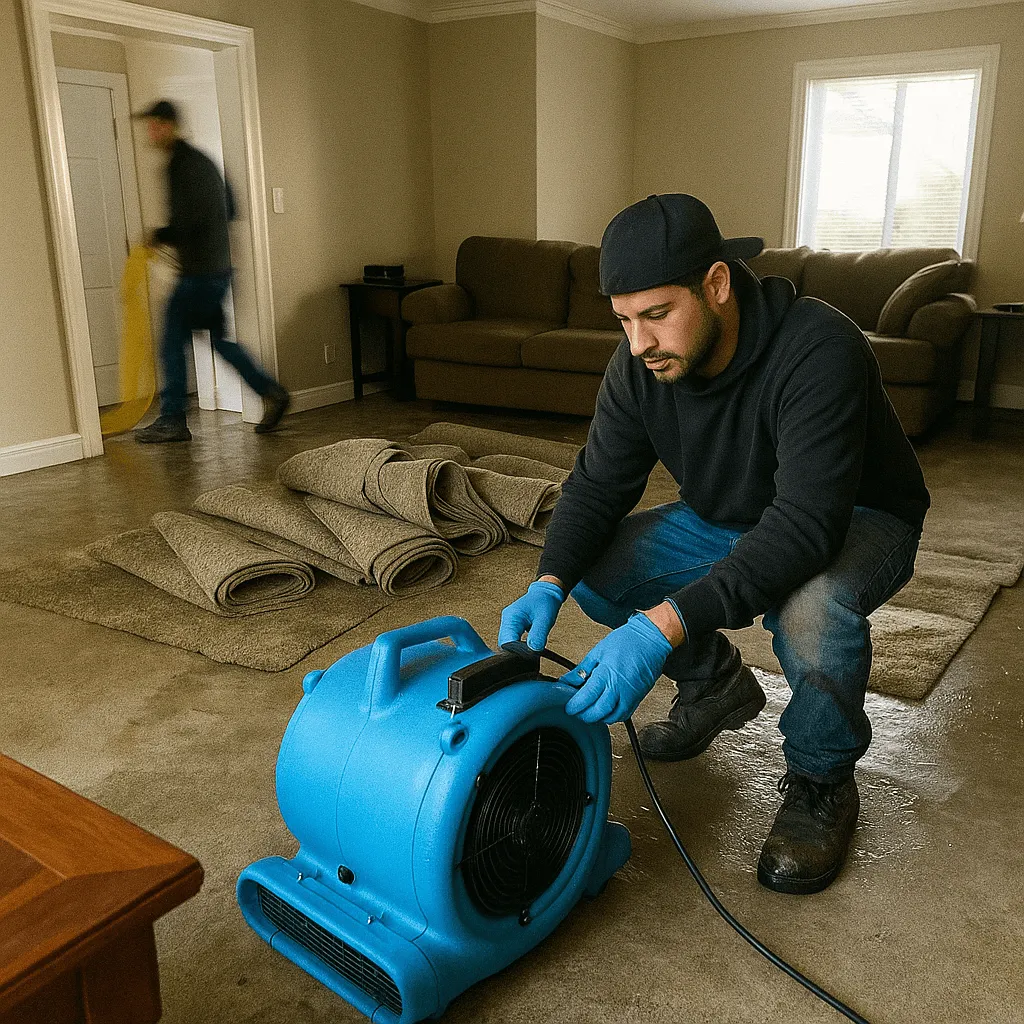
✓ Complete Water Extraction - Industrial equipment removes all standing water
✓ Structural Drying - Commercial dehumidifiers and air movers ensure thorough drying
✓ Mold Prevention and Remediation - Professional protocols prevent and eliminate mold
✓ Drywall Repair and Replacement - Expert installation matching existing finishes
✓ Painting and Finishing - Professional paint matching and application
✓ Insulation Replacement - Complete insulation services
✓ Content Restoration - Saving damaged belongings when possible
✓ Document Restoration - Specialized techniques for important papers
✓ Deodorization - Professional odor removal
✓ Emergency Board-Up - Securing damaged properties
✓ Insurance Coordination - Documentation and claims support
Service Areas: Van Nuys, Sherman Oaks, North Hollywood, Encino, Burbank, Glendale, Pasadena, and all of Greater Los Angeles.
Location: 7430 Valjean Ave, Van Nuys, CA 91406
Don't Wait - Water Damage Worsens Quickly
Drywall water damage requires immediate attention.
The longer you wait, the more extensive the damage becomes and the higher your restoration costs.
Contact 77 Rapid Restore today or visit our Google Business Profile for professional drywall water damage restoration.
Available 24/7 for emergency response throughout Los Angeles County.

OUR SERVICES
Frequently Asked Questions
1. What types of damage restoration services do you provide?
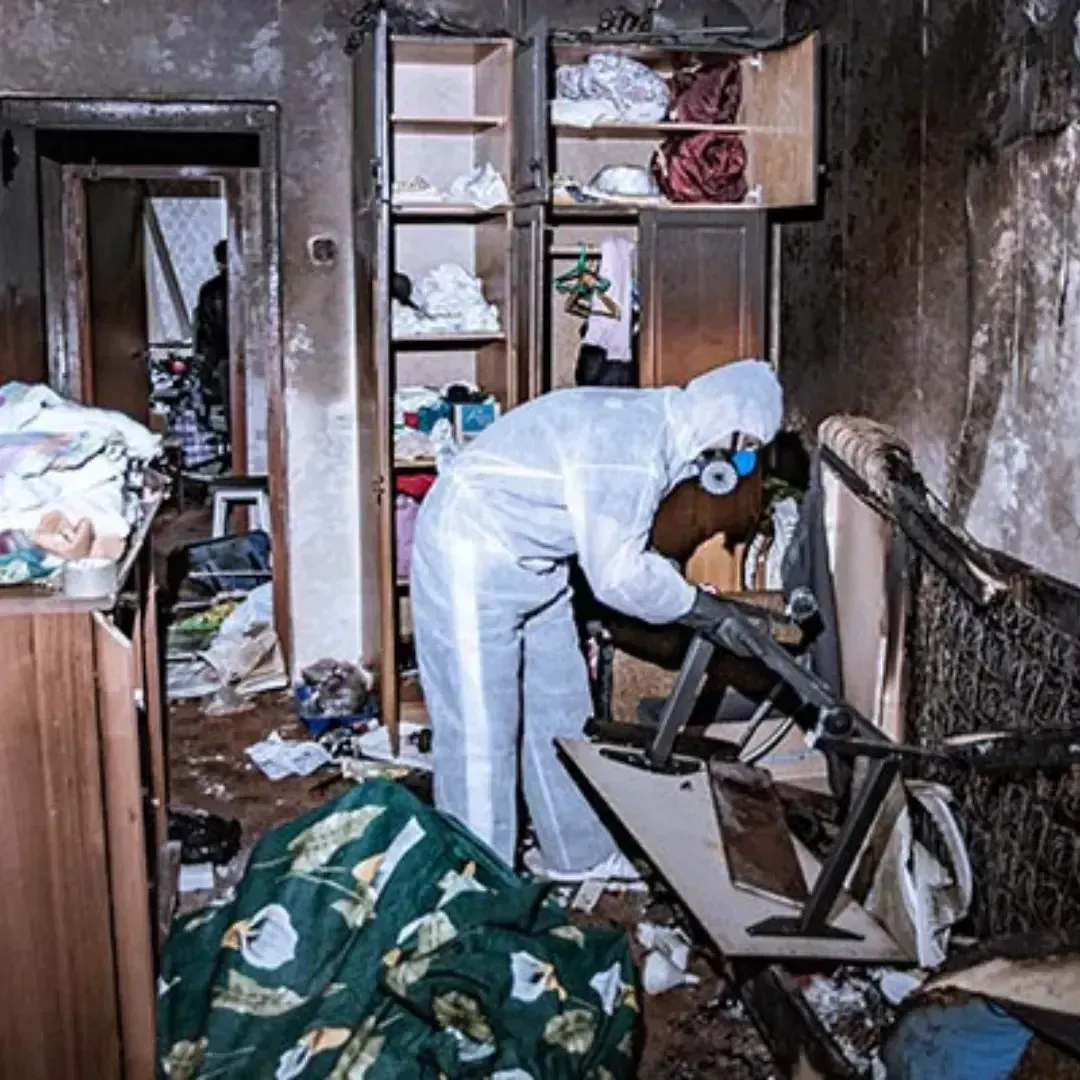
We specialize in water damage, fire and smoke restoration and biohazard cleanup for both homes and businesses.
2. How quickly can your team respond in an emergency?
We offer 24/7 emergency response and aim to be on-site within 60 minutes or less, depending on your location.
3. Do you work with insurance companies?
Yes, we work directly with most major insurance carriers to simplify the claims process for you.
4. Can fire and smoke odors be fully removed?
Absolutely. We use advanced cleaning methods, air scrubbers, and deodorization techniques to eliminate smoke odors completely.
5. What should I do first if I have water damage?
Turn off the water source if possible, then contact us right away. The sooner we begin water extraction and drying, the less damage your property will suffer.
6. How long does restoration usually take?
It depends on the extent of the damage. Minor water jobs may take 1–3 days, while large fire or remediation projects can take a week or more.
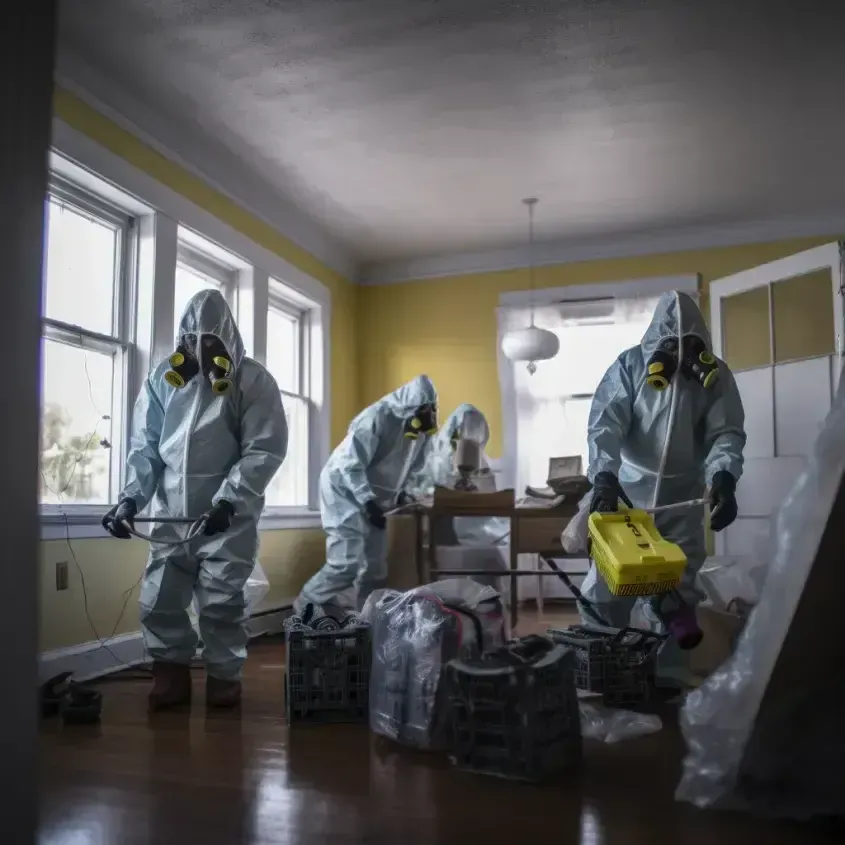
7. What is biohazard cleanup?
Biohazard cleanup includes the safe removal of dangerous substances such as blood, bodily fluids, or hazardous materials. We follow strict safety protocols to protect your health.
8. Do you offer both residential and commercial restoration services?
Yes, we provide full restoration services for homes, offices, schools, retail spaces, and other commercial buildings.
9. Why should I choose your company for restoration?
We combine years of experience, state-of-the-art equipment, and a commitment to customer satisfaction. Plus, we’re available 24/7 to restore your property quickly and safely.
GET IN TOUCH
We’re Ready to Restore Your Home or Business.
Whether it’s water damage from a burst pipe, dangerous fire and smoke damage, or hazardous cleanup, our restoration specialists are here to help.
Fill out the form, and our team will reach out quickly to assess your situation, explain your options, and provide a safe, fast, and effective solution to restore your home or business back to normal.
Office Location
Van Nuys, Los Angeles California 91406
We provide fast, reliable restoration for water, fire and biohazard damage—bringing your property back to normal.
Contact Now
Office Location
Van Nuys, Los Angeles California 91406
Reach Out To Us
Follow Us


