

Anytime Call
Drop Email Us
Office Location
Van Nuys, Los Angeles California 91406
Restoration Tips, Guides & Expert Advice
Home Restoration Blog & Resources
Explore practical tips, prevention guides, and expert insights on protecting your home from damage. Our blog helps homeowners understand common issues, avoid costly mistakes, and make informed decisions when restoration is needed.
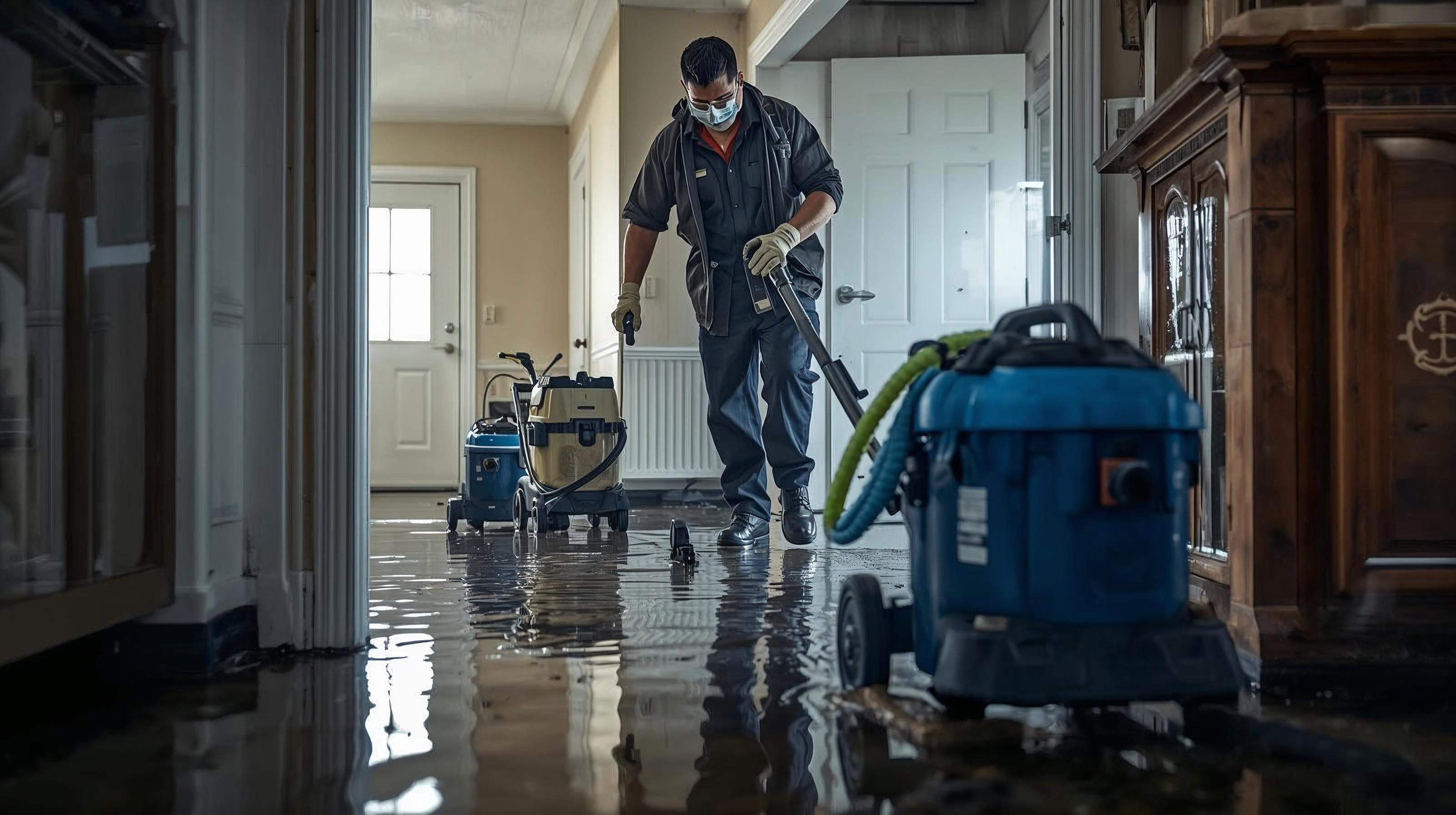
Emergency Water Cleanup Steps: Critical Actions for Los Angeles Property Owners
Emergency water cleanup steps determine whether you face manageable restoration or devastating losses. Acting quickly makes all the difference. Moreover, following proper procedures protects your property and health.
Water damage spreads rapidly throughout Van Nuys, Sherman Oaks, North Hollywood, Encino, Burbank, Glendale, and Pasadena homes. Therefore, understanding correct emergency response proves essential. Additionally, knowing what NOT to do prevents costly mistakes.
For immediate professional water cleanup throughout Greater Los Angeles, visit our Google Business Profile or contact 77 Rapid Restore now for 24/7 emergency water extraction and restoration services.
Why Emergency Water Cleanup Speed Matters
Time determines your total damage and costs. Water spreads exponentially with each passing hour. Furthermore, secondary damage develops rapidly without proper intervention.
Critical timeline factors:
0 to 24 hours: Water penetrates porous materials, mold spores settle
24 to 48 hours: Mold growth begins, materials start deteriorating
48 to 72 hours: Serious mold contamination, structural damage accelerates
Beyond 72 hours: Extensive mold, potential health hazards, costly repairs
Consequently, immediate action proves essential for minimizing damage and expenses.
Step 1: Ensure Personal Safety First
Safety always comes before property concerns. Therefore, assess hazards before entering affected areas. Moreover, some situations require professional emergency response only.
Identify Dangerous Conditions
Never enter water-damaged areas when:
Standing water exceeds a few inches
Electrical power remains active
Structural damage appears present
You smell gas or chemicals
Sewage contamination is suspected
Additionally, electrocution risks prove deadly serious. Water conducts electricity efficiently. Consequently, submerged outlets create dangerous conditions.
Take Protective Measures
When safe entry is possible, wear appropriate protection. Use rubber boots and gloves. Furthermore, consider respirators if mold odors are present.
Essential safety equipment:
Rubber boots or waterproof shoes
Heavy-duty waterproof gloves
Long pants and long sleeves
Safety glasses or goggles
N95 respirator for mold exposure
Therefore, proper protection prevents health complications during cleanup.
Step 2: Stop the Water Source Immediately
Identify and eliminate the flooding source quickly. Continued water flow worsens damage exponentially. Moreover, stopping the source allows cleanup to begin.
Common Water Sources and Solutions
For different water sources:
Burst pipes: Shut off main water supply valve
Appliance leaks: Close specific appliance shutoff valves
Roof leaks: Apply temporary tarps or covering
Foundation seepage: Address after stopping other sources
Sewer backups: Call professionals immediately
Additionally, know your main water shutoff location before emergencies occur. Label it clearly for all household members.
When Professional Help Is Required
Some water sources require expert intervention. Sewer backups contain dangerous pathogens. Furthermore, major pipe breaks need plumbing repairs before cleanup begins.
Therefore, call professionals when dealing with contaminated water or complex plumbing failures.
Step 3: Document Everything Thoroughly
Comprehensive documentation supports insurance claims. Therefore, photograph and video record all damage before cleanup begins. Additionally, detailed evidence ensures appropriate settlements.
What to Document
Capture these critical elements:
Standing water depth with measurements visible
All damaged walls, floors, and ceilings
Ruined contents and belongings
Water source and entry points
Date and time stamps on all media
Moreover, take photos from multiple angles in each affected room. Wide shots show overall damage while close-ups reveal specific problems.
Create Written Records
Beyond photos, maintain detailed written documentation. List all damaged items with descriptions and estimated values. Furthermore, save all receipts for emergency expenses.
Written records should include:
Chronological timeline of events
Itemized damage inventory
Emergency expense receipts
Communication logs with insurance
Professional service documentation
Consequently, thorough records streamline claims processing and maximize settlements.
Step 4: Remove Standing Water Quickly
Standing water causes progressive damage every hour it remains. Therefore, extract it as quickly as possible. However, use appropriate methods for your situation.
DIY Water Removal Methods
For small amounts of clean water, DIY removal may work. Use wet/dry shop vacuums rated for water extraction. Additionally, mops and towels help with remaining moisture.
Effective DIY tools:
Wet/dry shop vacuums (water-rated)
Mops with wringing buckets
Heavy absorbent towels
Squeegees for hard surfaces
Buckets for manual removal
However, consumer equipment has serious limitations. Shop vacuums hold only a few gallons.
When Professional Extraction Is Essential
Significant water volumes require industrial equipment. Truck-mounted extractors remove thousands of gallons rapidly. Moreover, professionals extract water from deep within materials.
Professional extraction is necessary for:
Water depth exceeding a few inches
Large affected areas
Contaminated water (gray or black water)
Carpet and pad saturation
Water within walls or structural cavities
Therefore, most water damage situations need professional extraction services.
Step 5: Promote Air Circulation and Drying
Thorough drying prevents mold growth and material damage. Therefore, maximize airflow throughout affected areas. Additionally, proper ventilation accelerates moisture removal.
Increase Airflow Immediately
Air circulation strategies:
Open windows when weather permits
Position multiple fans directing air across wet surfaces
Open all interior doors promoting circulation
Remove window coverings allowing air movement
Open closet and cabinet doors
Moreover, Los Angeles's climate generally aids drying, but summer humidity can slow evaporation in coastal areas.
Use Dehumidification Equipment
Dehumidifiers remove moisture from air, accelerating drying. Consumer units process 30 to 50 pints daily. However, commercial dehumidifiers handle 150 to 200+ pints daily.
Dehumidifier placement tips:
Position in center of affected areas
Empty collection buckets regularly
Direct condensate to drains when possible
Run continuously until drying completes
Monitor humidity levels with hygrometers
Consequently, proper dehumidification prevents mold colonization.
Step 6: Remove Wet Contents and Materials
Wet materials absorb water like sponges. Therefore, remove them quickly to prevent further absorption. Additionally, some items require immediate attention for salvage potential.
Prioritize Items for Removal
Remove these items immediately:
Soaked carpets and rugs
Wet furniture and upholstery
Cardboard boxes and paper goods
Electronics and appliances
Important documents and photos
Clothing and fabrics
Food items exposed to water
Moreover, elevate remaining furniture off wet floors using blocks or foil.
Salvage vs. Disposal Decisions
Some items can be saved while others require disposal. Clean water damage offers better salvage potential. However, contaminated water ruins most porous materials.
Generally salvageable:
Hard surfaces (wood, plastic, metal)
Sealed electronics (after professional cleaning)
Some furniture (professional restoration)
Non-porous items (glass, ceramic)
Usually requires disposal:
Heavily contaminated materials
Severely damaged drywall
Saturated insulation
Food exposed to water
Compromised medications
Therefore, professional assessment guides salvage decisions for valuable items.
Step 7: Clean and Disinfect All Surfaces
All water-damaged surfaces need thorough cleaning. Additionally, disinfection prevents bacterial growth and health hazards. Moreover, contaminated water requires specialized treatment.
Cleaning Methods by Water Type
Category 1 (Clean Water):
Wash with soap and warm water
Rinse thoroughly with clean water
Allow complete drying before refinishing
Category 2 (Gray Water):
Use household disinfectants
Apply antimicrobial solutions
Ensure thorough surface contact time
Category 3 (Black Water):
Requires professional cleaning only
Specialized antimicrobial treatments
Complete material removal often necessary
Consequently, sewage backups and flooding demand professional restoration services.
Prevent Cross-Contamination
Clean from least contaminated to most contaminated areas. Change cleaning solutions frequently. Furthermore, use separate tools for different contamination levels.
Cross-contamination prevention:
Contain contaminated areas with barriers
Use dedicated tools for each zone
Dispose of contaminated materials properly
Wear fresh gloves for clean areas
Wash hands thoroughly between tasks
Step 8: Monitor for Mold Growth
Mold begins colonizing within 24 to 48 hours of water exposure. Therefore, vigilant monitoring proves essential. Additionally, early detection enables quick intervention.
Mold Warning Signs
Watch for these indicators:
Musty, earthy odors
Visible fuzzy growth (any color)
Discoloration on walls or ceilings
Allergic symptoms worsening indoors
Increased respiratory irritation
Moreover, mold often grows in hidden areas. Check behind furniture and inside closets regularly.
When Professional Mold Remediation Is Needed
Extensive mold growth requires professional treatment. DIY cleaning spreads spores throughout properties. Furthermore, improper removal creates health hazards.
Professional help is necessary when:
Mold covers areas exceeding 10 square feet
HVAC systems show contamination
Structural materials harbor growth
Health symptoms develop
Mold returns after cleaning attempts
Consequently, significant mold problems demand expert remediation.
Step 9: Call Professional Restoration Services
Professional water cleanup ensures complete recovery. Therefore, contact certified restoration companies even after initial DIY efforts. Additionally, hidden moisture creates long-term problems.
Why Professional Services Matter
Professionals provide:
Industrial extraction equipment
Commercial drying technology
Moisture detection systems
Mold prevention protocols
Structural drying expertise
Complete restoration services
Insurance coordination
Moreover, 77 Rapid Restore serves Van Nuys, Sherman Oaks, North Hollywood, Encino, Burbank, Glendale, Pasadena, and all of Los Angeles County with 24/7 emergency response.
What Professional Restoration Includes
Comprehensive restoration addresses all damage aspects. Technicians follow IICRC standards ensuring quality results. Furthermore, proper protocols prevent future problems.
Complete restoration process:
Assessment: Moisture mapping and damage documentation
Extraction: Industrial water removal systems
Drying: Commercial dehumidifiers and air movers
Cleaning: Antimicrobial treatment and sanitization
Restoration: Repairs and reconstruction
Verification: Post-restoration testing
Therefore, professional services provide peace of mind through thorough restoration.
Common Emergency Water Cleanup Mistakes
Avoiding common errors protects your property and health. Therefore, understand what NOT to do during emergencies. Additionally, these mistakes often worsen damage.
Critical mistakes to avoid:
Delaying professional help hoping water dries naturally
Using household vacuums on standing water (electrocution risk)
Assuming surface drying means complete moisture removal
Painting or repairing before thorough structural drying
Attempting sewage cleanup without protective equipment
Ignoring insurance notification requirements
Disposing damaged items before documentation
Consequently, proper procedures prevent these costly errors.
Why Choose 77 Rapid Restore for Emergency Water Cleanup
Professional expertise makes crucial differences in emergency situations. Therefore, choosing experienced restoration specialists protects your investment. Moreover, local knowledge ensures appropriate regional responses.
Our Emergency Water Cleanup Services
77 Rapid Restore provides comprehensive services throughout Greater Los Angeles:
24/7 emergency response (60 to 90 minute arrival)
Industrial water extraction equipment
Commercial structural drying systems
Advanced moisture detection technology
Complete mold prevention protocols
Insurance coordination and documentation
IICRC-certified professional technicians
Regional Los Angeles climate expertise
Located at 7430 Valjean Ave, Van Nuys, CA 91406, we understand unique challenges throughout Los Angeles County properties.
Frequently Asked Questions
1. How quickly should I start emergency water cleanup?
Immediately. Every hour increases damage and costs. Moreover, mold begins growing within 24 to 48 hours. Therefore, start cleanup as soon as safely possible.
2. Can I handle emergency water cleanup myself?
Small amounts of clean water affecting limited areas might be manageable. However, most situations require professional equipment and expertise. Consequently, professional services ensure thorough cleanup and prevent future problems.
3. How long does emergency water cleanup take?
Initial water extraction takes hours. Complete structural drying requires 3 to 7 days. Furthermore, repairs add additional time. Therefore, professionals provide specific timelines after assessment.
4. What's the most critical first step?
Ensuring personal safety. Never risk electrocution or injury. Moreover, some situations require professional emergency services only. Therefore, assess hazards before entering affected areas.
5. Will my insurance cover emergency water cleanup?
Coverage depends on damage causes and your policy. Sudden, accidental water damage is typically covered. However, maintenance neglect usually is not. Therefore, contact your insurance provider immediately and maintain thorough documentation.
6. When should I call professionals instead of DIY?
Call professionals for significant water volumes, contaminated water, large affected areas, or hidden moisture concerns. Additionally, contact experts when health risks exist. Consequently, most water damage situations need professional intervention.
7. How do I prevent mold after water damage?
Extract water quickly and dry thoroughly within 24 to 48 hours. Use dehumidifiers and promote air circulation. Moreover, professional drying ensures complete moisture removal. Therefore, rapid response prevents mold colonization.
Take Emergency Action Now
Emergency water cleanup steps protect your Los Angeles property and family. Acting quickly minimizes damage and costs. Moreover, following proper procedures prevents long-term problems.
Therefore, do not delay when water damage strikes. Contact professional restoration services immediately. Additionally, thorough cleanup prevents mold growth and structural deterioration.
Furthermore, proper emergency response makes insurance claims smoother. Document everything comprehensively and follow safety protocols carefully. Consequently, you will achieve better outcomes with lower total costs.
77 Rapid Restore provides comprehensive emergency water cleanup throughout Van Nuys, Sherman Oaks, North Hollywood, Encino, Burbank, Glendale, Pasadena, and all of Los Angeles County. Our IICRC-certified technicians respond 24/7 with industrial equipment and proven emergency protocols.
Don't let water damage destroy your property or create dangerous health hazards. Contact 77 Rapid Restore immediately or visit our Google Business Profile for professional emergency water cleanup services available around the clock throughout Greater Los Angeles.

OUR SERVICES
Frequently Asked Questions
1. What types of damage restoration services do you provide?
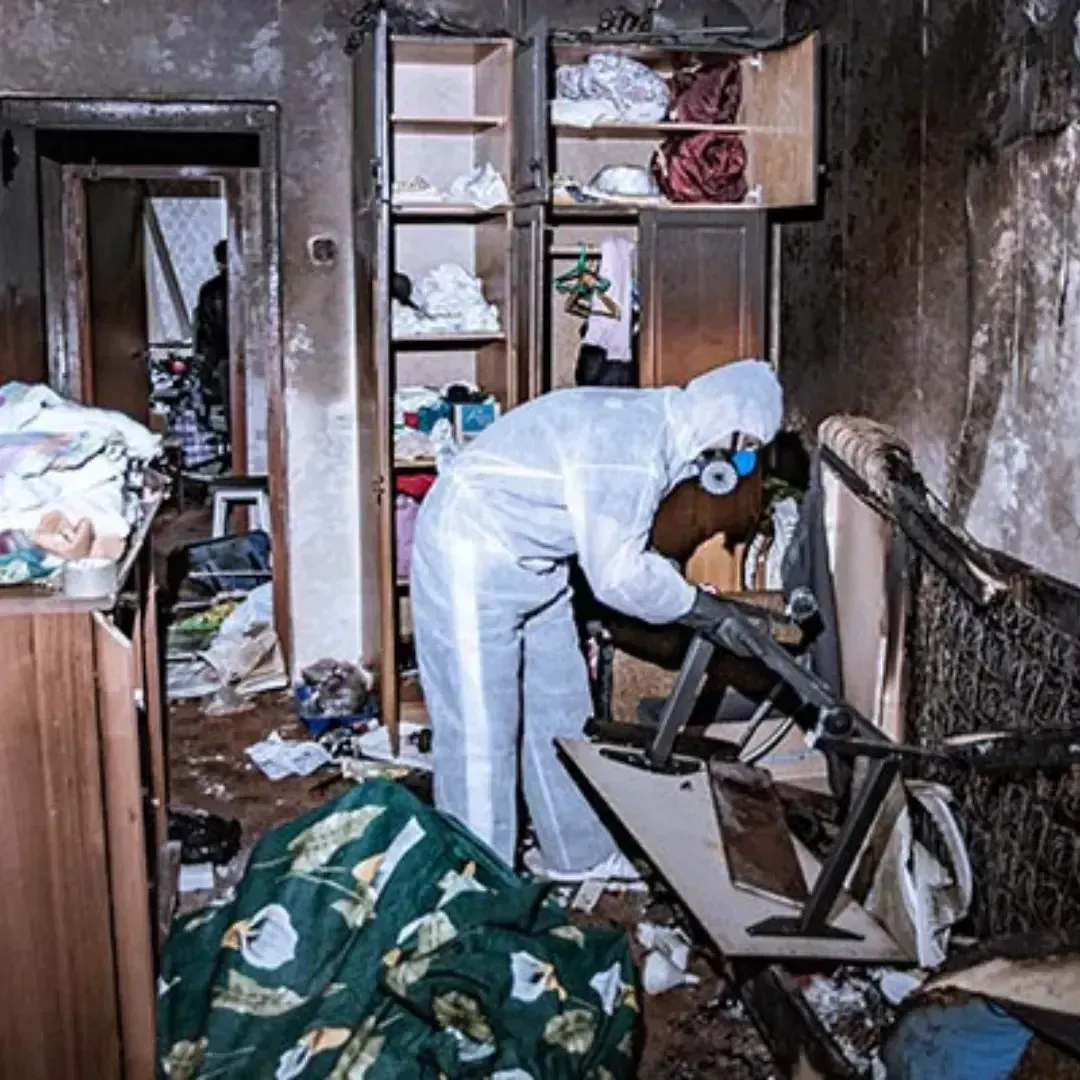
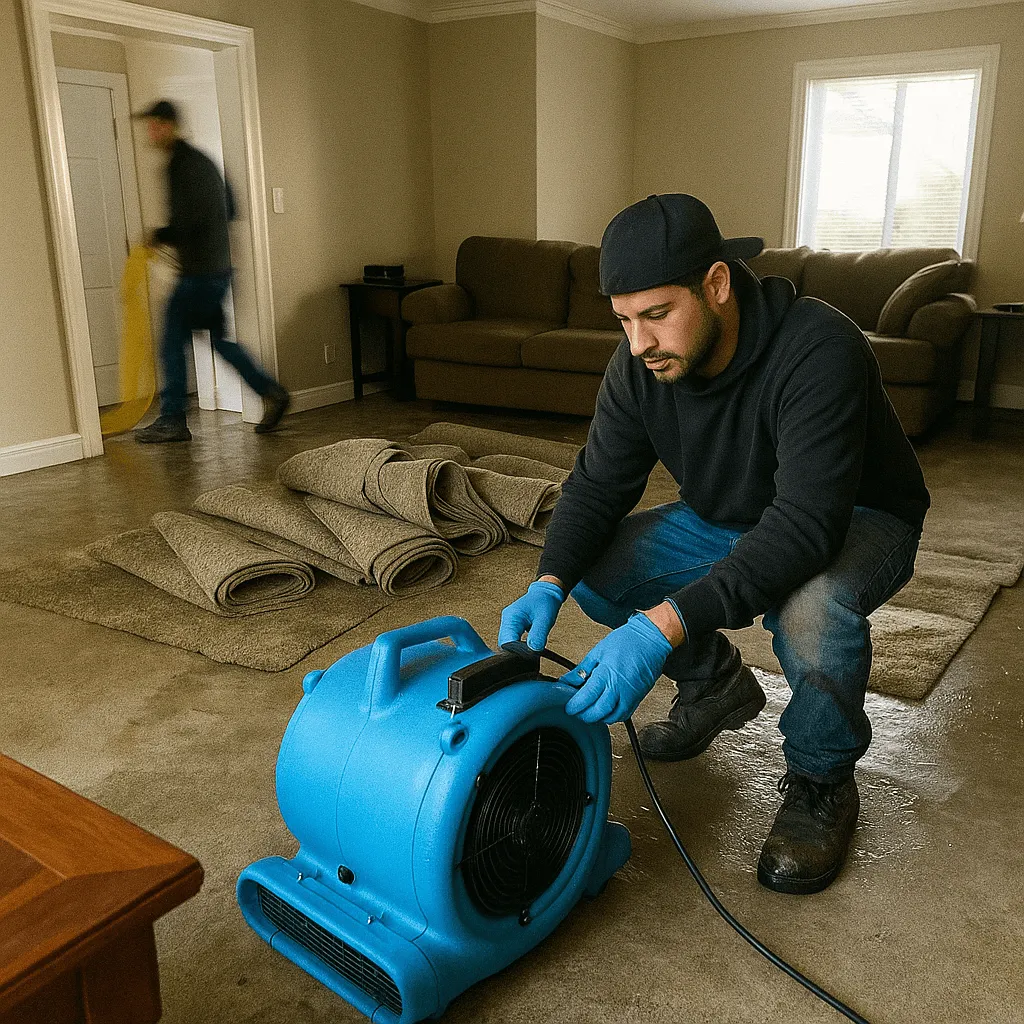
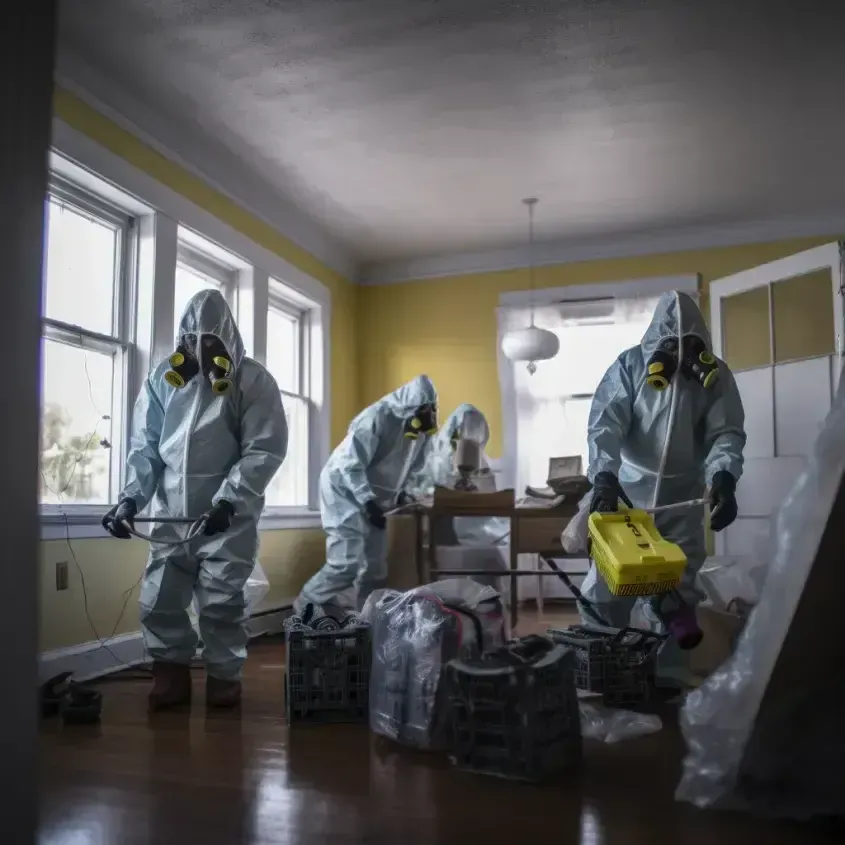
We specialize in water damage, fire and smoke restoration and biohazard cleanup for both homes and businesses.
2. How quickly can your team respond in an emergency?
We offer 24/7 emergency response and aim to be on-site within 60 minutes or less, depending on your location.
3. Do you work with insurance companies?
Yes, we work directly with most major insurance carriers to simplify the claims process for you.
4. Can fire and smoke odors be fully removed?
Absolutely. We use advanced cleaning methods, air scrubbers, and deodorization techniques to eliminate smoke odors completely.
5. What should I do first if I have water damage?
Turn off the water source if possible, then contact us right away. The sooner we begin water extraction and drying, the less damage your property will suffer.
6. How long does restoration usually take?
It depends on the extent of the damage. Minor water jobs may take 1–3 days, while large fire or remediation projects can take a week or more.
7. What is biohazard cleanup?
Biohazard cleanup includes the safe removal of dangerous substances such as blood, bodily fluids, or hazardous materials. We follow strict safety protocols to protect your health.
8. Do you offer both residential and commercial restoration services?
Yes, we provide full restoration services for homes, offices, schools, retail spaces, and other commercial buildings.
9. Why should I choose your company for restoration?
We combine years of experience, state-of-the-art equipment, and a commitment to customer satisfaction. Plus, we’re available 24/7 to restore your property quickly and safely.
GET IN TOUCH
We’re Ready to Restore Your Home or Business.
Whether it’s water damage from a burst pipe, dangerous fire and smoke damage, or hazardous cleanup, our restoration specialists are here to help.
Fill out the form, and our team will reach out quickly to assess your situation, explain your options, and provide a safe, fast, and effective solution to restore your home or business back to normal.
Office Location
Van Nuys, Los Angeles California 91406
We provide fast, reliable restoration for water, fire and biohazard damage—bringing your property back to normal.
Contact Now
Office Location
Van Nuys, Los Angeles California 91406
Reach Out To Us
Follow Us


