


Anytime Call
Drop Email Us
Office Location
Van Nuys, Los Angeles California 91406
Restoration Tips, Guides & Expert Advice
Home Restoration Blog & Resources
Explore practical tips, prevention guides, and expert insights on protecting your home from damage. Our blog helps homeowners understand common issues, avoid costly mistakes, and make informed decisions when restoration is needed.
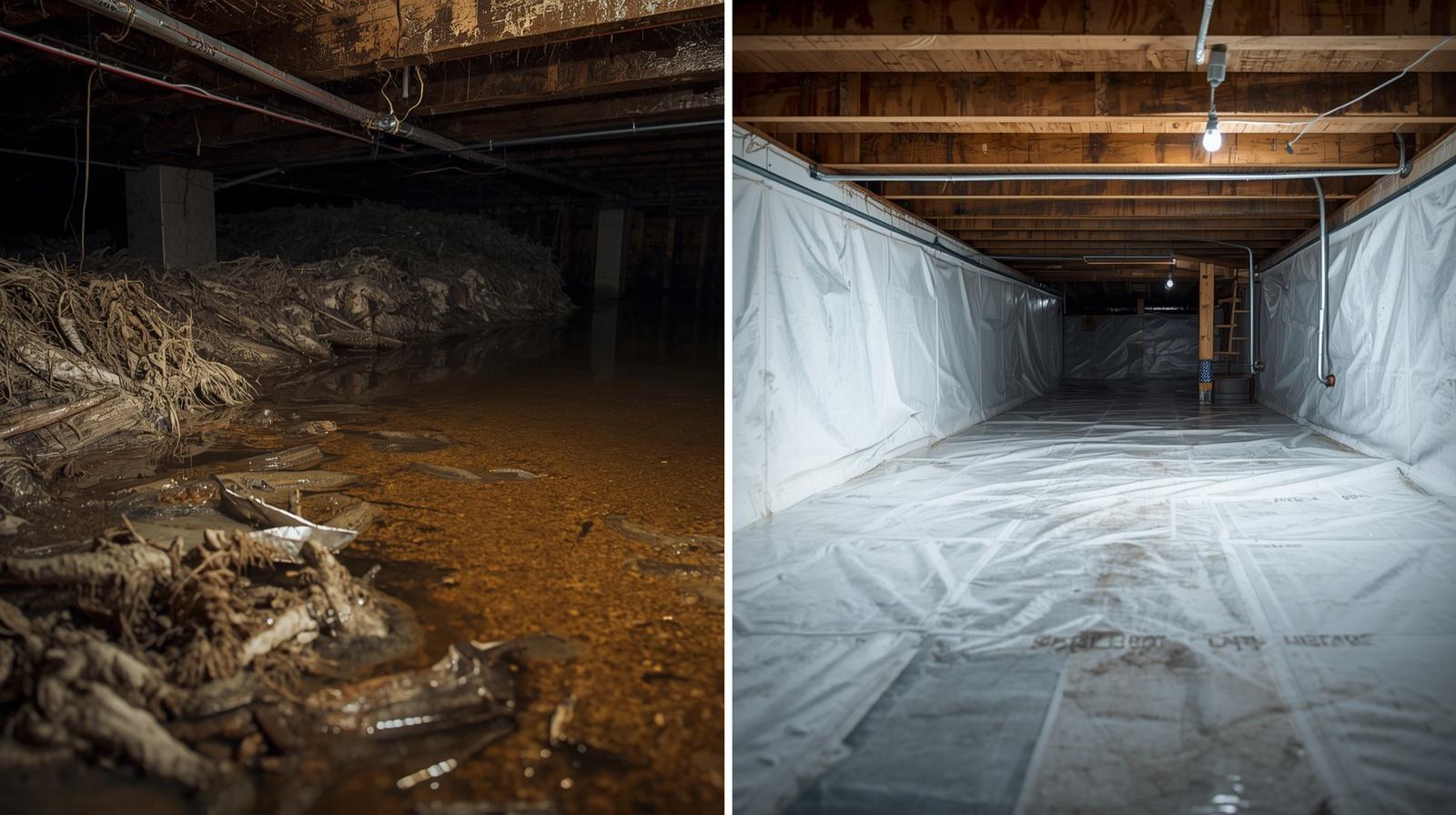
How to Cleanup Sewage in a Crawl Space
TLDR: Too Long, Don't Read
Sewage in crawl spaces is hazardous and requires professional cleanup. Common causes include cracked sewage pipes, tree root intrusion, clogged city lines, and heavy rainfall. The process involves wearing protective gear, removing standing water, disposing of contaminated materials, cleaning and sanitizing, thorough drying, and repairing damaged areas. DIY cleanup is dangerous due to toxic pathogens, hazardous gasses, and contamination risks. Professional remediation companies have proper equipment, safety protocols, and expertise to handle Category 3 water safely.
A crawl space is a small area beneath a house, usually less than three feet high. This space provides access to utility infrastructure like plumbing, electrical wiring, and HVAC components.
The crawl space is crucial for maintaining your home and keeping it functional. It often acts as a protective barrier against moisture, soil gasses, pests, and the elements.
However, crawl spaces are sometimes prone to water damage or sewage issues.
When these problems occur, addressing them immediately is essential. They pose significant health risks for you and your family.
We have prepared a comprehensive guide on how to safely and effectively clean up sewage in a crawl space. We also cover tips on preventing future issues.
We understand that dealing with sewage problems is unpleasant. But with the right knowledge and professional help, you can confidently overcome this challenge.
For immediate professional sewage cleanup throughout Greater Los Angeles, visit our Google Business Profile or contact 77 Rapid Restore now for 24/7 emergency response.
What Causes Sewage Issues in Crawl Spaces?
Despite taking precautions, property owners may face sewage entering their crawl spaces. This can occur for multiple reasons beyond their control.
Here are the most common causes affecting Los Angeles properties:
Cracked Sewage Pipes
Over time, sewage pipes running beneath or through your crawl space can crack. This results in sewage leakage.
What causes pipe cracks:
Aging and corrosion
Seismic activity from earthquakes
Soil shifting and settlement
Poor installation
Excessive pressure
Many Los Angeles homes, particularly in Van Nuys, Sherman Oaks, and North Hollywood, have aging sewer lines decades old. These pipes become brittle and prone to failure.
Tree Root Intrusion
Invasive tree roots seek moisture sources. They can penetrate sewage pipes, causing blockages and breaks.
How root intrusion happens:
Roots enter through small cracks or joints
They expand as they grow, breaking pipes
Complete blockages form over time
Sewage backs up into crawl spaces
Mature trees common throughout Los Angeles neighborhoods create significant risks for underground pipes.
Clogged City Sewage Lines
Clogs or blockages in municipal sewage systems can cause sewage to back up into your property.
Common city line problems:
Tree root infiltration in city mains
Grease buildup from multiple properties
Debris accumulation
Aging infrastructure failure
When city lines back up, sewage seeks the path of least resistance. This often means flooding into crawl spaces through cleanouts or damaged connections.
Heavy Rainfall and Flooding
Extreme weather conditions can overwhelm sewage systems. This causes sewage to back up into crawl spaces.
Storm-related sewage problems:
Combined sewer systems overwhelmed by rain
Groundwater infiltration into damaged lines
Flash flooding carrying sewage
Storm drain connections backing up
Los Angeles experiences intense winter storms that can saturate aging sewer infrastructure. This creates backup situations affecting crawl spaces.
Septic System Failures
Properties with septic systems face additional risks.
Septic issues causing crawl space sewage:
Tank overflow from lack of pumping
Drain field failure
Broken distribution lines
System overload
Why Sewage in Crawl Space is Dangerous
Sewage contamination in crawl spaces poses serious risks to human health and property integrity.
Health Hazards
Dangerous pathogens present in sewage:
Bacteria: E. coli, Salmonella, Shigella cause serious gastrointestinal illness
Viruses: Hepatitis A, Norovirus, Rotavirus create severe health complications
Parasites: Giardia, Cryptosporidium cause prolonged illness
Fungi: Mold and fungal spores trigger allergic reactions and respiratory problems
Exposure routes:
Direct contact with contaminated materials
Inhalation of airborne pathogens
Contaminated indoor air circulating through home
Secondary contamination of living spaces
Toxic Gasses
Sewage produces hazardous gasses that accumulate in confined crawl spaces.
Dangerous gasses:
Methane: Highly flammable, explosive at certain concentrations, displaces oxygen
Hydrogen sulfide: Toxic at low concentrations, causes respiratory failure, smells like rotten eggs
Ammonia: Irritates eyes, nose, and throat, damages respiratory system
Carbon dioxide: Displaces oxygen, causes suffocation in confined spaces
These gasses can migrate into living spaces, creating serious health and safety hazards.
Structural Damage
Prolonged sewage exposure damages property foundations and structures.
Structural problems from sewage:
Wood rot in floor joists and support beams
Foundation deterioration from acid in sewage
Insulation damage requiring complete replacement
Vapor barrier degradation
Concrete erosion
The longer sewage sits, the more damage occurs. Immediate professional response prevents extensive structural repairs.
Mold Growth
Sewage creates perfect conditions for aggressive mold colonization.
Why sewage causes severe mold:
High moisture content
Organic materials feeding mold
Confined space limiting air circulation
Warm temperatures accelerating growth
Mold from sewage contamination produces mycotoxins creating serious health effects. This requires professional mold remediation in addition to sewage cleanup.
How to Cleanup Sewage in a Crawl Space
CRITICAL WARNING: Sewage cleanup in crawl spaces is extremely hazardous. Professional remediation is strongly recommended for all sewage situations.
If you must enter a contaminated crawl space for emergency assessment only, follow these safety protocols:
Step 1: Put on Protective Gear
Crawl space sewage cleanup is hazardous. Never enter without proper protection.
Required protective equipment:
Respirator: N95 minimum, full-face respirator with cartridges preferred
Eye protection: Sealed safety goggles or full-face shield
Rubber gloves: Heavy-duty, elbow-length rubber gloves
Rubber boots: Waterproof boots with sealed seams
Protective suit: Full-body disposable coveralls with hood
Head covering: Complete hair coverage preventing contamination
Never enter a crawl space with sewage contamination without full protective gear. The health risks are too severe.
Step 2: Remove Standing Water
Before starting cleanup, remove standing sewage water.
Water removal methods:
Submersible pump: For deeper standing water (over 6 inches)
Wet vacuum (commercial): For shallow water and residual moisture
Professional extraction equipment: Truck-mounted systems remove water more effectively
IMPORTANT: Never use household shop vacuums for sewage. They cannot be properly sanitized and create contamination risks.
Step 3: Dispose of Debris and Damaged Materials
Remove all materials contacted by sewage. These cannot be salvaged safely.
Materials requiring disposal:
Contaminated insulation
Damaged vapor barriers
Porous materials (cardboard, paper, fabric)
Saturated wood that cannot be properly sanitized
Damaged HVAC ductwork
Proper disposal:
Double-bag all contaminated materials
Seal bags completely
Dispose according to local hazardous waste regulations
Never place sewage-contaminated materials in regular trash without proper containment
Step 4: Clean and Sanitize
After removing contaminated materials, clean all affected surfaces.
Cleaning process:
Initial washing: Use water and detergent to remove visible sewage and debris
Disinfection: Apply EPA-registered antimicrobial products designed for sewage cleanup
Contact time: Allow disinfectants proper contact time (typically 10 to 30 minutes)
Rinse: Remove cleaning product residue with clean water
Secondary sanitization: Apply additional antimicrobial treatment
Professional-grade disinfectants prove far more effective than household bleach for sewage cleanup.
Step 5: Dry the Area Completely
Thorough drying prevents mold growth and additional damage.
Drying equipment needed:
Industrial dehumidifiers: Process 150 to 200+ pints daily
High-velocity air movers: Direct focused airflow accelerating evaporation
Ventilation fans: Exhaust contaminated air to exterior
Moisture meters: Monitor drying progress in materials
The space must be completely dry before proceeding. This typically requires 3 to 7 days of continuous drying.
Step 6: Repair Damaged Areas
Replace materials removed during cleanup.
Common repairs:
New insulation installation
Vapor barrier replacement
Wood replacement where rotted
HVAC component replacement if contaminated
Crawl space encapsulation (recommended)
Professional installation ensures proper protection against future moisture issues.
Why Professional Sewage Cleanup is Essential
Sewage is Category 3 water. This is the most dangerous contamination level requiring specialized protocols.
Risks of DIY Sewage Cleanup
❌ Serious illness from pathogen exposure - Even with protective gear, improper techniques create infection risks
❌ Incomplete decontamination - Household cleaning products cannot eliminate all sewage pathogens
❌ Toxic gas exposure - Confined crawl spaces concentrate dangerous gasses
❌ Cross-contamination - Improper handling spreads sewage throughout property
❌ Persistent odors - Inadequate cleaning leaves embedded odors
❌ Mold growth - Insufficient drying guarantees mold problems
❌ Regulatory violations - Improper disposal creates legal liabilities
Professional Sewage Cleanup Advantages
✓ Proper safety equipment and protocols
✓ EPA-registered disinfectants for sewage
✓ Industrial extraction and drying equipment
✓ Hazardous waste disposal expertise
✓ Complete decontamination preventing health risks
✓ Moisture detection finding hidden contamination
✓ Mold prevention protocols
✓ Insurance coordination and documentation
✓ IICRC-certified technicians
✓ Quality guarantees on all work
Professional remediation protects your health, prevents property damage, and ensures complete decontamination.
Preventing Future Sewage Problems
After professional cleanup, prevention measures protect against recurring issues.
Regular sewer line inspections: Video camera inspections identify problems before failures occur
Tree root management: Remove or treat roots near sewer lines
Proper disposal practices: Never flush inappropriate items creating clogs
Backwater valve installation: Prevents city sewer backups from entering your property
Sump pump maintenance: Ensures groundwater doesn't overwhelm crawl space
Crawl space encapsulation: Professional vapor barriers and sealing prevent moisture issues
Regular septic pumping: Properties with septic systems need pumping every 3 to 5 years
Call 77 Rapid Restore for Professional Crawl Space Sewage Cleanup
77 Rapid Restore is a leading expert in crawl space sewage cleanup throughout Greater Los Angeles.
Our IICRC-certified technicians are trained to handle hazardous situations safely and effectively.
Our Sewage Cleanup Services:
✓ 24/7 Emergency Response - Available immediately when disaster strikes
✓ Complete Safety Protocols - Full protective equipment and procedures
✓ Industrial Extraction - Powerful equipment removes sewage quickly
✓ Professional Disinfection - EPA-registered products eliminate pathogens
✓ Thorough Drying - Commercial equipment ensures complete moisture removal
✓ Mold Prevention - Antimicrobial treatments prevent colonization
✓ Complete Restoration - All repairs from cleanup through final reconstruction
✓ Proper Disposal - Hazardous waste handled according to regulations
✓ Insurance Coordination - Documentation and claims support
With us, you get peace of mind knowing your home is properly cleaned and sanitized.
Service Areas: Van Nuys, Sherman Oaks, North Hollywood, Encino, Burbank, Glendale, Pasadena, and all of Greater Los Angeles.
Location: 7430 Valjean Ave, Van Nuys, CA 91406
Get Professional Help Now
Sewage in crawl spaces is a serious emergency. Do not attempt DIY cleanup.
The health risks are too severe. Professional remediation protects your family's health and ensures complete decontamination.
Contact 77 Rapid Restore immediately or visit our Google Business Profile for professional crawl space sewage cleanup assistance.
Available 24/7 for emergency response throughout Los Angeles County.

OUR SERVICES
Frequently Asked Questions
1. What types of damage restoration services do you provide?
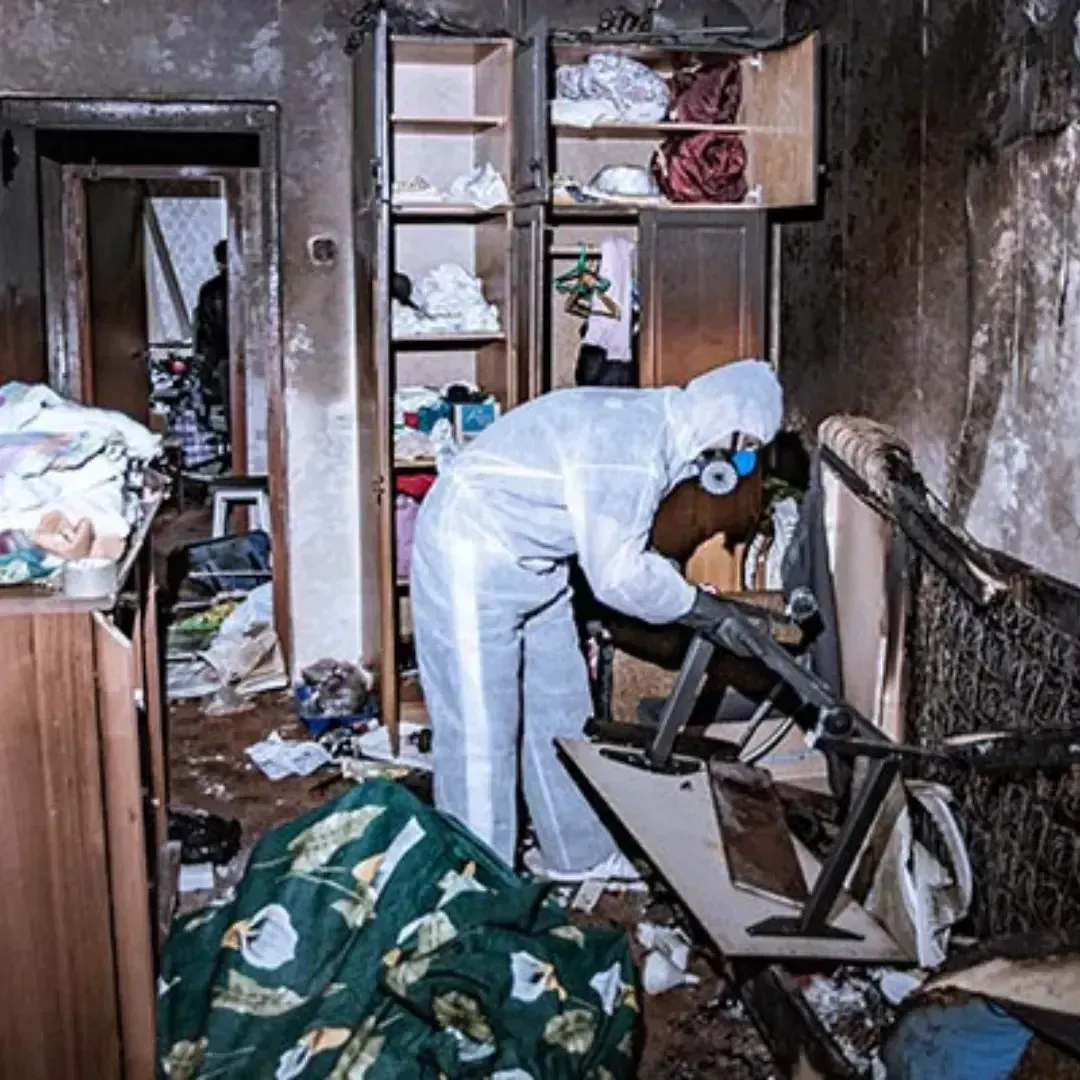
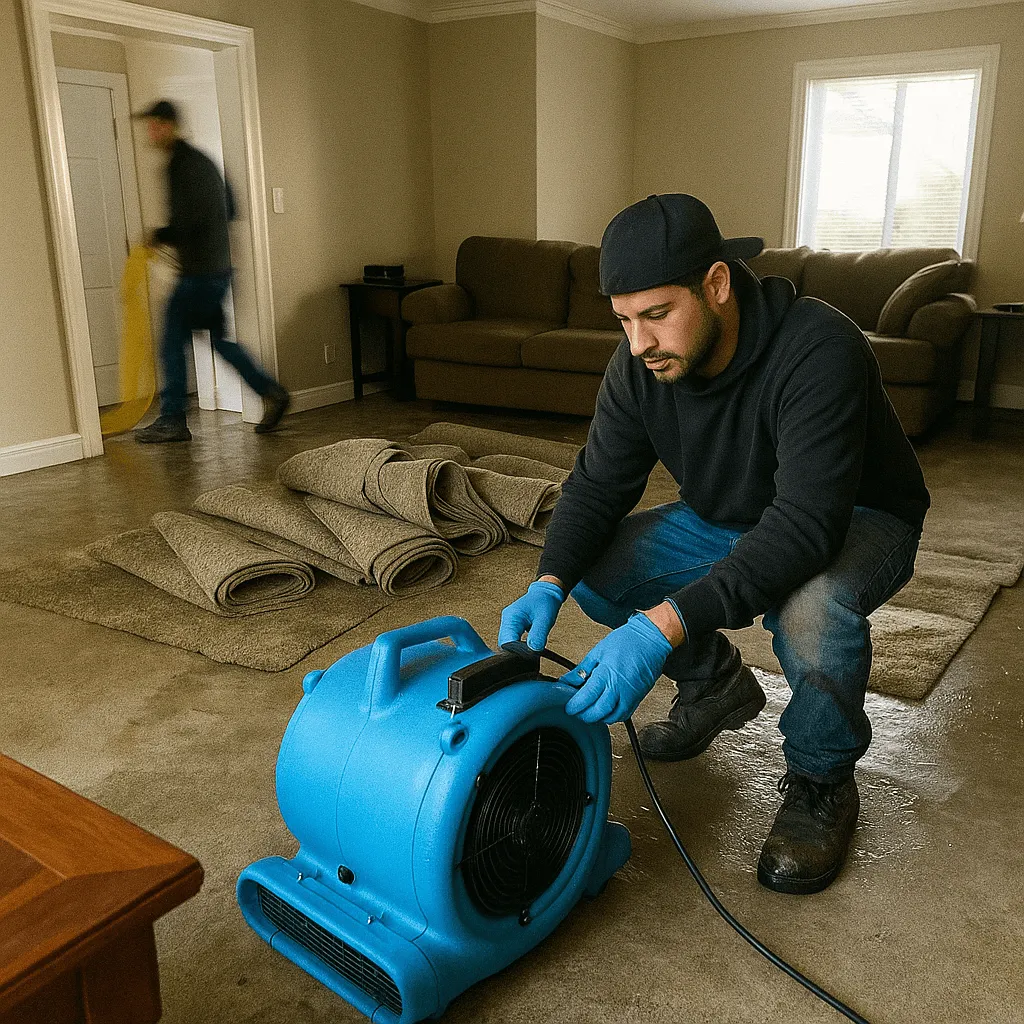
We specialize in water damage, fire and smoke restoration and biohazard cleanup for both homes and businesses.
2. How quickly can your team respond in an emergency?
We offer 24/7 emergency response and aim to be on-site within 60 minutes or less, depending on your location.
3. Do you work with insurance companies?
Yes, we work directly with most major insurance carriers to simplify the claims process for you.
4. Can fire and smoke odors be fully removed?
Absolutely. We use advanced cleaning methods, air scrubbers, and deodorization techniques to eliminate smoke odors completely.
5. What should I do first if I have water damage?
Turn off the water source if possible, then contact us right away. The sooner we begin water extraction and drying, the less damage your property will suffer.
6. How long does restoration usually take?
It depends on the extent of the damage. Minor water jobs may take 1–3 days, while large fire or remediation projects can take a week or more.
7. What is biohazard cleanup?
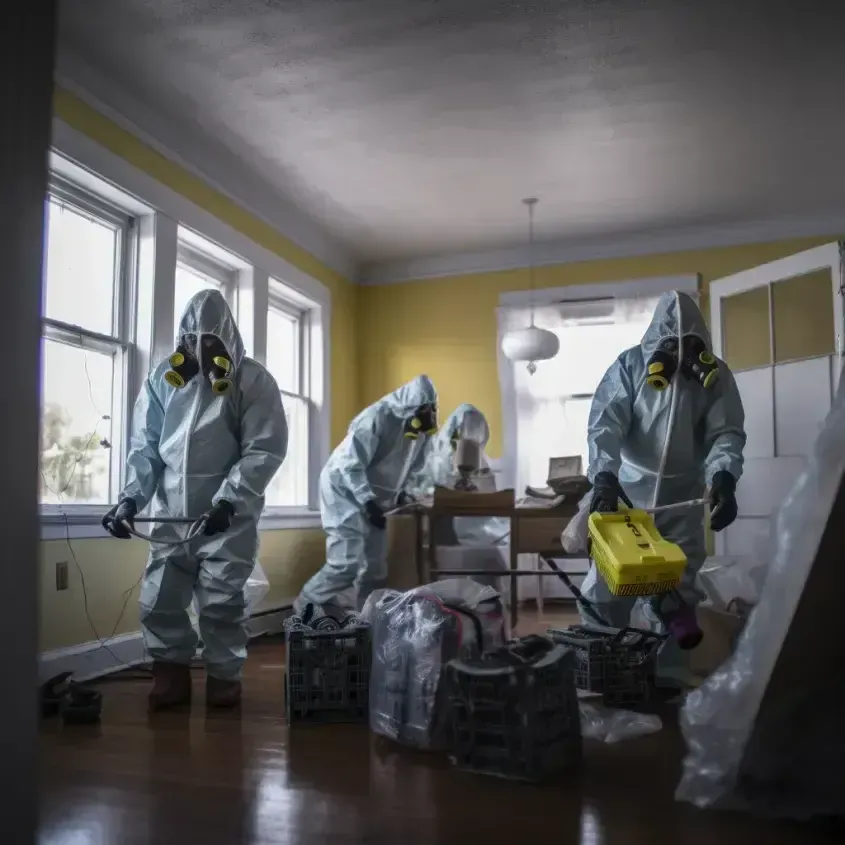
Biohazard cleanup includes the safe removal of dangerous substances such as blood, bodily fluids, or hazardous materials. We follow strict safety protocols to protect your health.
8. Do you offer both residential and commercial restoration services?
Yes, we provide full restoration services for homes, offices, schools, retail spaces, and other commercial buildings.
9. Why should I choose your company for restoration?
We combine years of experience, state-of-the-art equipment, and a commitment to customer satisfaction. Plus, we’re available 24/7 to restore your property quickly and safely.
GET IN TOUCH
We’re Ready to Restore Your Home or Business.
Whether it’s water damage from a burst pipe, dangerous fire and smoke damage, or hazardous cleanup, our restoration specialists are here to help.
Fill out the form, and our team will reach out quickly to assess your situation, explain your options, and provide a safe, fast, and effective solution to restore your home or business back to normal.
Office Location
Van Nuys, Los Angeles California 91406
We provide fast, reliable restoration for water, fire and biohazard damage—bringing your property back to normal.
Contact Now
Office Location
Van Nuys, Los Angeles California 91406
Reach Out To Us
Follow Us


