

Anytime Call
Drop Email Us
Office Location
Van Nuys, Los Angeles California 91406
Restoration Tips, Guides & Expert Advice
Home Restoration Blog & Resources
Explore practical tips, prevention guides, and expert insights on protecting your home from damage. Our blog helps homeowners understand common issues, avoid costly mistakes, and make informed decisions when restoration is needed.
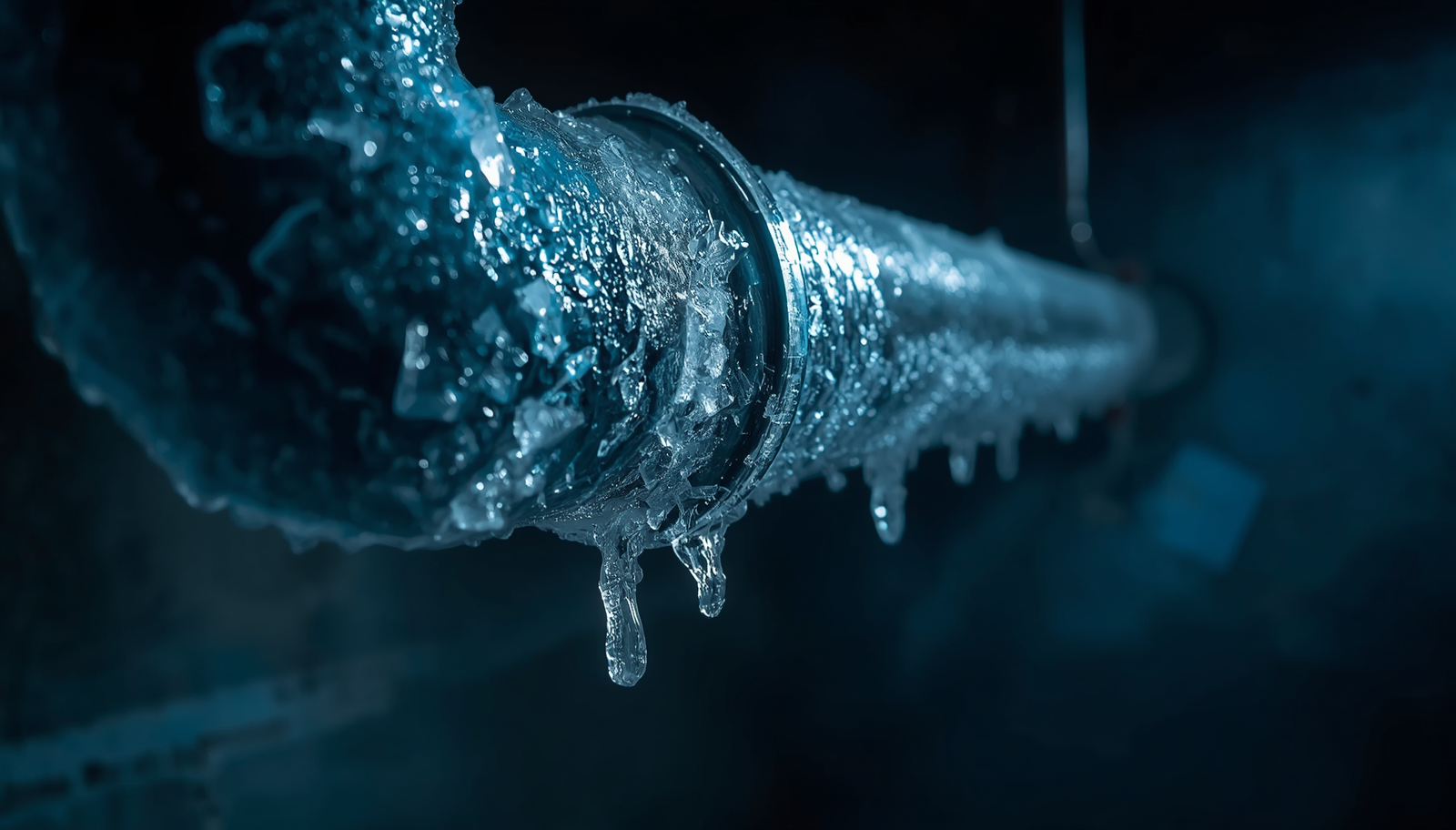
How To Recognize and Recover From Frozen Pipes
TLDR: Too Long, Don't Read
Frozen pipes occur when temperatures drop below 32°F for extended periods. Warning signs include little to no water flow, visible frost on pipes, cracked or bulging pipes, gurgling sounds, foul odors, and water damage on walls. If pipes freeze, apply gentle heat using a hair dryer or heating tape while keeping faucets open. If pipes burst, shut off the main water supply immediately, turn on faucets to relieve pressure, address electrical hazards, remove standing water, and call professional restoration services. While rare in Los Angeles proper, frozen pipes can affect mountain communities and high-elevation areas during unusual cold snaps.
Navigating cold weather as a property owner often comes with the challenge of keeping your plumbing safe from freezing temperatures.
Frozen pipes not only disrupt water flow but also lead to significant water damage if they burst.
Learning the signs of frozen pipes and how to recover from them is essential for minimizing damage and maintaining a functional home during colder periods.
But this prompts the crucial question: how do you know if your pipes are frozen?
In this comprehensive guide, we explore how to identify frozen pipes, the common frozen pipe symptoms, and what to do when pipes are frozen to help you avoid the hassle and expense of dealing with frozen plumbing.
For immediate professional frozen pipe emergency service, visit our Google Business Profile or contact 77 Rapid Restore now for 24/7 emergency response throughout Los Angeles County.
Do Frozen Pipes Affect Los Angeles Properties?
While rare in Los Angeles proper, frozen pipes can affect:
Mountain communities - Big Bear, Wrightwood, and other high-elevation areas in LA County
High desert regions - Palmdale, Lancaster, and northern LA County areas
Unusual cold snaps - Occasional freezing temperatures in valley areas
Vacation properties - LA residents with homes in colder mountain regions
Commercial refrigeration - Businesses with exposed refrigeration lines
Most Los Angeles homes in Van Nuys, Sherman Oaks, North Hollywood, and surrounding valley areas rarely experience freezing conditions. However, understanding frozen pipe risks helps property owners in affected areas and protects vacation properties.
Why Do Pipes Freeze?
Pipes are susceptible to freezing when exposed to severely cold temperatures, especially if the water inside them is stagnant.
Freezing conditions:
Pipes can freeze when temperatures fall below 32 degrees Fahrenheit for over three hours, and certain risk factors exist.
Vulnerable pipe locations:
Attics - Unheated spaces with minimal insulation
Basements - Particularly crawl spaces with poor insulation
Garages - Unheated structures with exposed plumbing
Exterior walls - Pipes in walls with minimal insulation
Outdoor faucets and hose bibs - Direct exposure to cold air
Crawl spaces - Limited insulation and cold air circulation
These pipes are exposed to colder air, making them more likely to freeze.
Why Frozen Pipes Are Dangerous
The immediate consequence of a frozen pipe is a disruption to water flow. However, the true danger lies in the potential for the line to burst.
The Science of Pipe Bursts
Water expands as it freezes, increasing in volume by approximately 9%. This creates pressure inside water lines.
How burst pipes occur:
Ice formation blocks flow - Water cannot escape the expanding ice
Pressure builds downstream - Trapped water creates hydraulic pressure
Weak points fail - Joints, fittings, or corroded sections rupture
Catastrophic release - Pipe failure releases substantial water volumes
Excessive pressure can rupture the pipe, leading to severe water damage and substantial repair costs.
In the worst cases, burst water lines can introduce ankle-deep water into your home and cause thousands of dollars in damage.
On the bright side, there are warning signs of frozen pipes that can help you catch the problem early and take the necessary steps to keep your home safe and dry.
How Do You Know if Your Pipes Are Frozen: Warning Signs To Look Out For
Catching these common signs of frozen pipes early can save you from extensive water damage and the inconvenience of dealing with burst pipes.
1. Little to No Running Water
The most obvious sign of a frozen pipe is a noticeable reduction or complete absence of water flow from faucets.
What to check:
Turn on faucets throughout your property. If you notice:
Only a slight trickle from one or more faucets
Complete absence of water flow
Water is flowing from some faucets but not others
This is a strong indicator that water within the pipes may be frozen.
In cold weather, always pay attention to the consistency of water flow to catch this issue promptly.
Pro tip: If some faucets work but others don't, the freeze is likely between the working and non-working fixtures.
2. Cracked or Bulging Pipes
Inspect your plumbing visually for any visible damage. Frozen water expands, leading to cracks and bulges in the pipes.
Where to inspect:
Exposed pipes in basements and crawl spaces
Under sinks in kitchens and bathrooms
Attic spaces where plumbing runs through
Exterior walls where pipes penetrate
Garage areas with water supply lines
Check both exposed and hidden pipes for any irregularities. Identifying and addressing these issues early can prevent more severe damage down the line.
Warning signs:
Visible frost formation on the pipe exterior
Bulging or swelling in pipe sections
Small cracks in the pipe material
Separated joints or fittings
3. Visible Frost or Condensation on Pipes
An external indicator of frozen pipes is the presence of frost or condensation on the exterior of the pipes.
This is a clear signal that the water lines are exposed to extremely low temperatures and may be freezing.
Frost appears as a white, crystalline coating on the pipe surface. Condensation creates beads of water that may freeze in extremely cold conditions.
If you see frost on pipes, they are already frozen or in the process of freezing. Take immediate action to prevent bursting.
4. Gurgling Sounds
Unusual sounds coming from your plumbing can be a sign of trouble.
If you hear gurgling or bubbling noises when you use your faucets or flush toilets, it could indicate chunks of ice traveling through your water lines or air pockets created by partial freezing.
Other unusual sounds:
Banging or knocking (water hammer from ice blockages)
Whistling or squealing (restricted flow)
Rattling (vibration from uneven flow)
These sounds indicate plumbing stress requiring immediate attention.
5. Foul Odors From the Drain or Faucet
Frozen pipes can impede the proper drainage of wastewater, leading to unpleasant odors.
Why frozen pipes create odors:
Blocked drainage - Frozen drain lines trap wastewater
Sewer gas backup - Ice blocks prevent proper venting
Stagnant water - Trapped water develops bacterial growth
If you notice foul smells emanating from drains or faucets, it may result from trapped wastewater due to frozen pipes.
Promptly addressing the frozen pipes not only eliminates the odors but also prevents potential backups.
6. Water Damage on Walls and Ceilings
When pipes burst due to freezing, they can cause significant water damage to your home.
Keep an eye out for:
Water stains on walls and ceilings
Discoloration - yellow, brown, or copper-colored spots
Warping in drywall or ceiling materials
Peeling paint or wallpaper
Soft spots when pressing on the walls
Detecting water damage early can minimize the extent of repairs needed and reduce associated costs.
What To Do When Pipes Are Frozen
It is possible to thaw frozen pipes yourself, but this should be done carefully to avoid any damage.
Safe Thawing Methods
Hair dryer method:
Direct warm air along the pipe
Start near the faucet, work toward the frozen section.
Keep the dryer moving; never concentrate heat.
Keep the faucet open to allow water to escape
Heating tape method:
Wrap specialized heating tape around the frozen section.
Follow the manufacturer's instructions carefully.
Monitor constantly during use.
Remove once thawed
Portable space heater method:
Place the heater near frozen pipes.
Never leave unattended
Maintain a safe distance from combustibles.
Use only in well-ventilated areas.
Warm towel method:
Soak towels in hot water.
Wrap around frozen pipe sections.
Replace towels as they cool.
Continue until water flows normally.
Critical Safety Warning
NEVER use:
Open flames (blow torch, propane torch)
Gasoline or kerosene heaters
High-temperature heat guns
Any device creating an open flame
These pose serious fire risks and can damage pipes.
When to Call Professionals
Call 77 Rapid Restore immediately if:
The thawing process is not working.
You cannot locate the freeze.
The pipe has already burst.
Multiple pipes appear frozen.
Electrical systems are nearby.
Frozen and burst pipe professionals have the tools and expertise to resolve the issue safely and effectively.
How To Tell If Frozen Pipes Burst
All types of pipes can freeze, including copper, steel, PVC, PEX, and other plastics.
Material vulnerability:
Copper water lines - Most prone to ruptures when frozen
Galvanized steel - Vulnerable, especially at corroded sections
PVC pipes - Sometimes survive freezing without bursting
PEX pipes - More flexible, often withstand expansion
Here are five practical steps on how to tell if frozen pipes burst:
1. Inspect Your Home for Signs of Water Damage
Water damage is a telltale sign of a burst pipe.
Look for:
Water stains on walls, ceilings, or floors
Discoloration
Warping
Bubbling paint
Soft or spongy drywall
The sooner you identify these signs, the quicker you can address the issue and mitigate further damage.
2. Turn On Your Water To Check for Smells or Discoloration
Turn on your faucets and let water flow through the pipes.
Warning signs:
Unusual smells in water
Rusty discoloration
Cloudy appearance
Sediment particles
Rusty or foul-smelling water could result from contaminants entering your water supply due to a breach in the pipes.
If in doubt, refrain from using the water and contact professional frozen and burst pipe cleanup services.
3. Check Your Water Meter and Water Pressure
Turn off all water sources in your home and check the meter.
If it continues to register water use even with everything turned off, it suggests a leak, most likely caused by a burst pipe.
Also, low water pressure throughout your home can indicate a compromised pipe system. It can make it difficult to perform daily tasks like showering, washing dishes, or doing laundry, making immediate assistance crucial.
4. Check Your Property for Any Unusual Water Buildup
Inspect the exterior of your property for signs of water accumulation.
Look for:
Water pooling in the yard or driveway.
Sinkholes or depressions
Unusual wet spots
Ice formations from leaking water
A burst pipe can lead to water pooling in unexpected areas. Identifying these external signs can help narrow down the location of the burst pipe and expedite repairs.
5. Watch Out for Increasing Mold in Your Home
Mold thrives in damp environments, making it a common consequence of burst pipes.
Keep an eye out for:
Bacterial growth on walls or ceilings
Musty odors
Visible mold spots
Increased allergy symptoms
If you notice increased mold in new areas, this could indicate water damage caused by a burst pipe.
Addressing both the burst pipe and the mold promptly is crucial for maintaining a healthy living environment.
What To Do When a Frozen Pipe Bursts
Remaining calm and following these steps can help you regain control of the situation and minimize further damage.
1. Shut Off the Water Supply
When a frozen pipe bursts, the first action is to stop the water flow.
Locate your home's main water shut-off valve and turn it off immediately.
Common valve locations:
Basement near the foundation
Garage near the water heater
Near the water meter
Where the main line enters the house
Outside near the foundation
2. Turn On the Faucets
After shutting off the main water supply, turn on faucets connected to the suspected burst pipe.
This helps:
Relieve remaining pressure
Allow water to drain out.
Minimize additional water damage.
Prevent further ruptures
3. Take Electrical Precautions
Before doing anything else, ensure the burst pipe has not affected electrical systems.
If you suspect water may have reached any outlets, appliances, or your electrical box, shut off power at the breaker box to prevent electrical shocks.
Never:
Enter standing water with electricity on
Touch outlets or switches with wet hands.
Operate electrical devices in wet areas
4. Remove Standing Water
Once you have shut off the water and ensured electrical safety, start cleaning up standing water.
The longer water sits, the more damage it causes.
Water removal methods:
Mop up water with towels.
Use a wet vacuum rated for water.
Use buckets for larger volumes.
Work systematically from the deepest areas outward
5. Move Personal Items
Speed is essential in moving belongings that might be damaged by water.
Relocate to dry areas:
Furniture
Rugs and carpeting
Electronics
Important documents
Valuables
Photographs
6. Dry Out and Ventilate the Area
Open doors and windows to allow air circulation, which will help dry affected areas.
If it is safe to use electricity:
Set up fans directing air across wet surfaces.
Use dehumidifiers to remove moisture from the air.
Open closet and cabinet doors
Remove wet materials
7. Get Help From Professionals
Once immediate danger has passed, call professional frozen and burst pipe cleanup teams.
77 Rapid Restore provides:
Industrial water extraction
Commercial structural drying
Mold prevention protocols
Complete restoration services
Insurance coordination
Certified professionals can address the water damage, dry your property thoroughly, and prevent further issues like mold.
Prevention: Protecting Pipes From Freezing
For mountain properties and cold-prone areas:
Insulate exposed pipes - Foam pipe insulation protects vulnerable lines
Seal air leaks - Close gaps allowing cold air to reach pipes
Maintain consistent heat - Keep thermostat at 55°F minimum when away
Let faucets drip - Slight flow prevents freezing
Open cabinet doors - Allows warm air to reach pipes under sinks
Disconnect outdoor hoses - Drain and disconnect before cold weather
Insulate attics and crawl spaces - Proper insulation protects pipes
77 Rapid Restore Is Here To Help
While frozen pipes are uncommon in most of Los Angeles, they can affect mountain communities, high-elevation areas, and properties during unusual cold snaps.
Fortunately, recognizing telltale signs of frozen pipes and understanding what to do when pipes freeze can help you protect your property from the inconvenience and costs of frozen water lines.
The key is staying vigilant and preparing properties in cold-prone areas to withstand freezing temperatures.
Our Emergency Services Include:
✓ 24/7 Emergency Response - Immediate assistance throughout LA County
✓ Water Extraction - Industrial equipment removes standing water
✓ Structural Drying - Commercial dehumidifiers prevent secondary damage
✓ Mold Prevention - Antimicrobial treatments protect against contamination
✓ Complete Restoration - Repairs from water damage through reconstruction
✓ Insurance Coordination - Documentation and claims support
Service Areas: Van Nuys, Sherman Oaks, North Hollywood, Encino, Burbank, Glendale, Pasadena, the mountain communities, and all of Los Angeles County.
Location: 7430 Valjean Ave, Van Nuys, CA 91406
In case a burst pipe has already occurred, don't fret. 77 Rapid Restore has teams ready to help you get your home and life back to normal as soon as possible.
Get Expert Help Now
Contact 77 Rapid Restore or visit our Google Business Profile for expert assistance anytime.
We are available 24 hours a day, seven days a week, to restore your property, no matter how extensive the damage.

OUR SERVICES
Frequently Asked Questions
1. What types of damage restoration services do you provide?
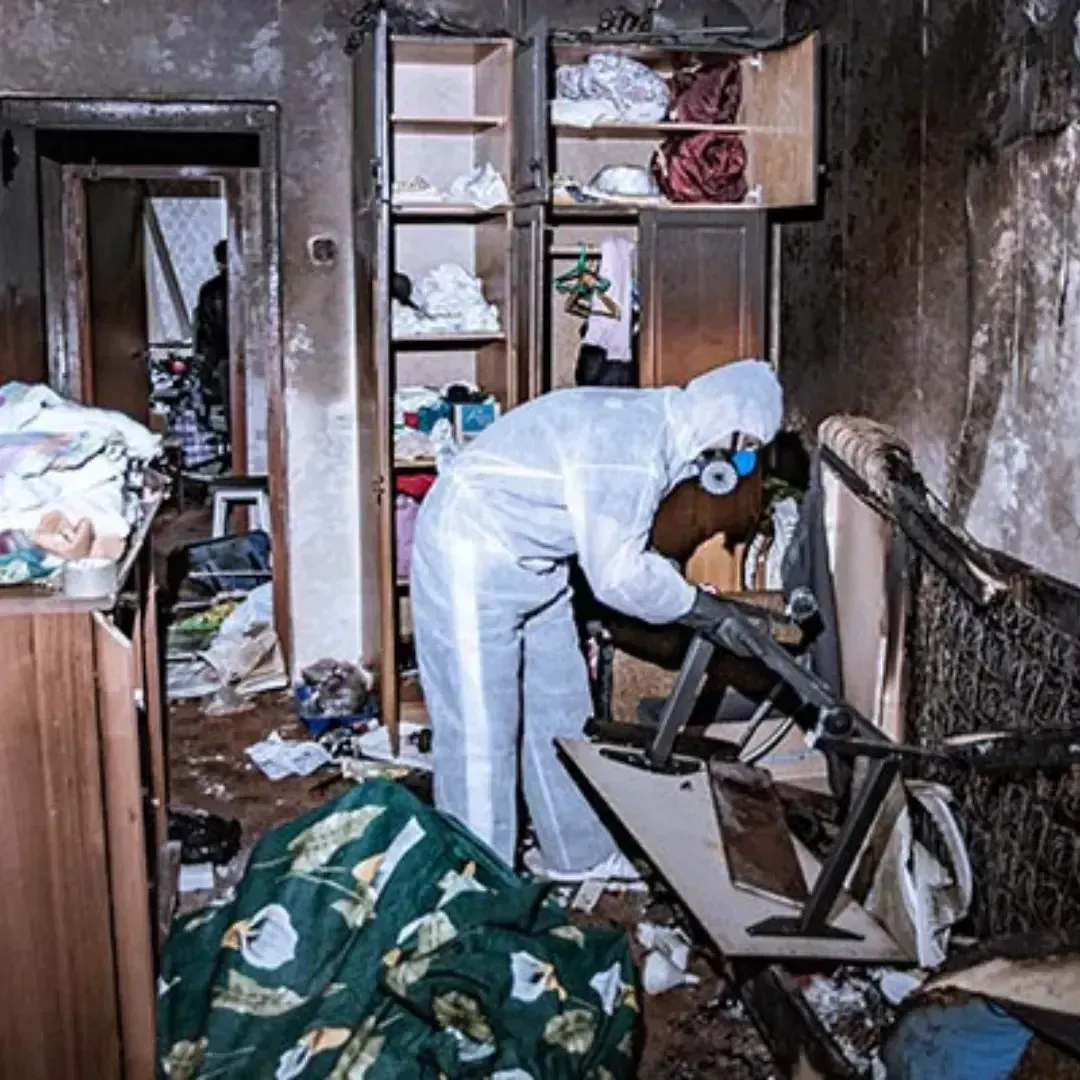
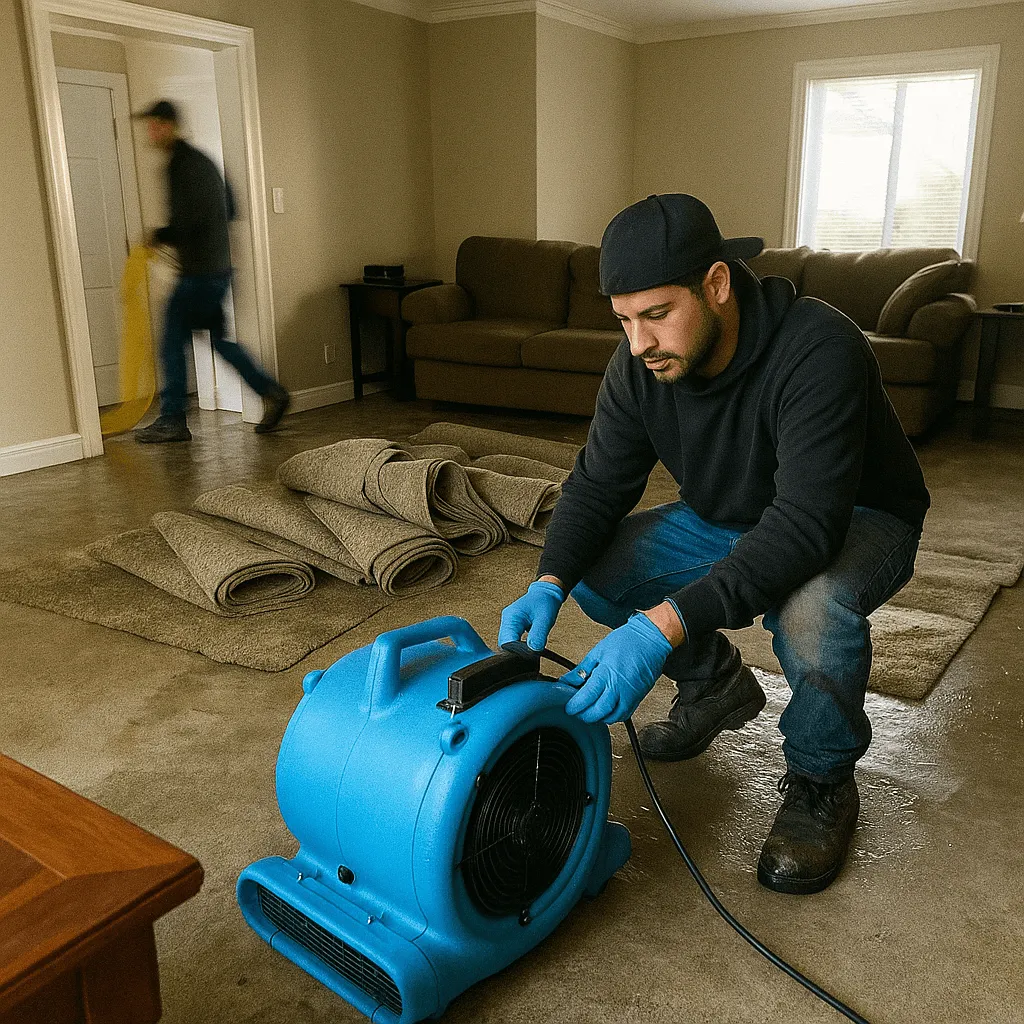
We specialize in water damage, fire and smoke restoration and biohazard cleanup for both homes and businesses.
2. How quickly can your team respond in an emergency?
We offer 24/7 emergency response and aim to be on-site within 60 minutes or less, depending on your location.
3. Do you work with insurance companies?
Yes, we work directly with most major insurance carriers to simplify the claims process for you.
4. Can fire and smoke odors be fully removed?
Absolutely. We use advanced cleaning methods, air scrubbers, and deodorization techniques to eliminate smoke odors completely.
5. What should I do first if I have water damage?
Turn off the water source if possible, then contact us right away. The sooner we begin water extraction and drying, the less damage your property will suffer.
6. How long does restoration usually take?
It depends on the extent of the damage. Minor water jobs may take 1–3 days, while large fire or remediation projects can take a week or more.
7. What is biohazard cleanup?
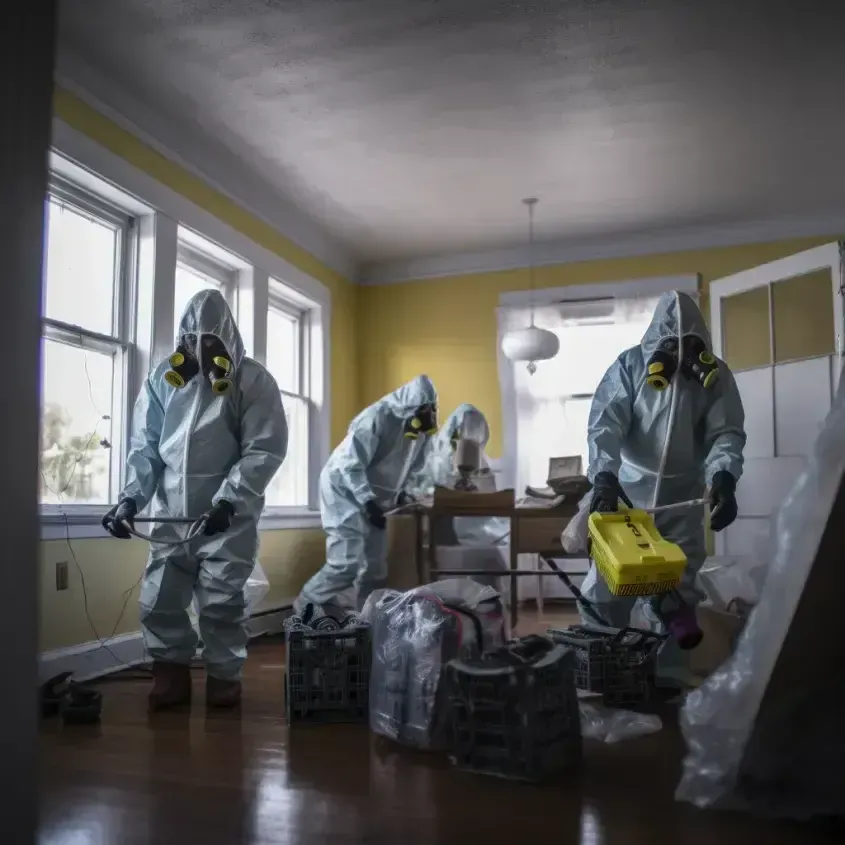
Biohazard cleanup includes the safe removal of dangerous substances such as blood, bodily fluids, or hazardous materials. We follow strict safety protocols to protect your health.
8. Do you offer both residential and commercial restoration services?
Yes, we provide full restoration services for homes, offices, schools, retail spaces, and other commercial buildings.
9. Why should I choose your company for restoration?
We combine years of experience, state-of-the-art equipment, and a commitment to customer satisfaction. Plus, we’re available 24/7 to restore your property quickly and safely.
GET IN TOUCH
We’re Ready to Restore Your Home or Business.
Whether it’s water damage from a burst pipe, dangerous fire and smoke damage, or hazardous cleanup, our restoration specialists are here to help.
Fill out the form, and our team will reach out quickly to assess your situation, explain your options, and provide a safe, fast, and effective solution to restore your home or business back to normal.
Office Location
Van Nuys, Los Angeles California 91406
We provide fast, reliable restoration for water, fire and biohazard damage—bringing your property back to normal.
Contact Now
Office Location
Van Nuys, Los Angeles California 91406
Reach Out To Us
Follow Us


