
Anytime Call
Drop Email Us
Office Location
Van Nuys, Los Angeles California 91406
Restoration Tips, Guides & Expert Advice
Home Restoration Blog & Resources
Explore practical tips, prevention guides, and expert insights on protecting your home from damage. Our blog helps homeowners understand common issues, avoid costly mistakes, and make informed decisions when restoration is needed.
How to Unfreeze Water Pipes Safely
TLDR: Too Long, Don't Read
Frozen pipes are emergencies requiring immediate action. Locate the frozen section, keep faucets open to relieve pressure, and apply gradual heat using hair dryers, heating pads, or space heaters. Never use open flames or excessive heat. Work slowly from the faucet toward the frozen area. If pipes are behind walls or inaccessible, call professionals immediately. After thawing, check for cracks and leaks before fully restoring water. While rare in Los Angeles proper, frozen pipes affect mountain communities and high-elevation areas during cold weather.
A frozen pipe in your home is not just an inconvenience. It is a ticking time bomb.
Every winter, thousands of homes across the U.S. face the risk of frozen pipes. As water freezes, the pressure inside pipes can lead to cracks or bursts, resulting in massive water damage.
The average frozen pipe insurance claim runs around $18,000.
If you have already got a burst pipe on your hands, shut off your main water supply immediately and contact a plumber and a water damage restoration company.
If your pipe is only frozen, however, you still have time to act.
By learning how to thaw frozen water pipes quickly, you can prevent a major home catastrophe and a large repair bill.
For immediate professional frozen pipe emergency service, visit our Google Business Profile or contact 77 Rapid Restore now for 24/7 emergency response throughout Los Angeles County.
Key Takeaways
Thawing a frozen pipe before it bursts can save you from serious water damage and costly repairs.
Know the warning signs of frozen pipes, such as reduced water flow, frost on exposed pipes, and unusual odors coming from your faucets.
Apply safe, gradual heat, like a hair dryer or heating pad, to thaw the frozen pipes.
Call a professional for pipes behind walls or in tight spaces rather than risk making the problem worse.
Check pipes for cracks or leaks after thawing before fully restoring your water.
Frozen Pipes in Los Angeles County
While frozen pipes are uncommon in Los Angeles proper, they affect:
Mountain communities - Big Bear, Wrightwood, Mount Baldy areas
High-elevation properties - Northern Los Angeles County regions
Cold-weather vacation homes - LA residents with mountain properties
Unusual cold snaps - Rare freezing events in valley areas
Most homes in Van Nuys, Sherman Oaks, and North Hollywood rarely experience freezing conditions. However, understanding frozen pipe risks helps property owners in affected areas and protects vacation properties.
Spot the Signs of Frozen Pipes
When outdoor temperatures fall below 32 degrees Fahrenheit, your pipes are at risk of freezing.
If the weather forecast predicts a prolonged cold snap, start paying attention to your pipes, especially those running along exterior walls, in unheated crawl spaces, or in uninsulated areas of your home.
The best way to avoid a bursting pipe is to catch frozen pipes early.
Watch for These Signs of Freezing Pipes:
Low water flow - If you turn on the faucet and only get a trickle of water, or nothing at all, a frozen pipe may be blocking the flow.
Frost on pipes - Exposed pipes that show frost or ice are a clear red flag.
Unusual odors from faucets - If you notice a strange smell coming from your drain or faucet, it could mean odors have no way to escape from a blocked pipe.
Bulging or cracked pipes - Visible deformities on exposed pipes are a clear indicator that ice is already building up and expanding inside.
Reduced pressure throughout the home - Multiple fixtures with low flow suggest main line freezing.
Condensation on pipes - Beading moisture on pipe exteriors in cold areas.
Strange noises - Gurgling or banging sounds when running water.
How to Thaw Frozen Water Pipes
If you spot signs of a frozen water pipe, it is time to get to work.
Here is how to safely tackle the problem.
Step 1: Confirm Which Pipes Are Frozen
Thawing your water pipes starts with tracking down the source of the problem.
Pipes in poorly heated spots are almost always the culprit.
Check pipes in:
Exterior walls
Unheated basements
Crawl spaces
Garages
Attics
Kitchen and bathroom cabinets
Outdoor faucets and hose bibs
From there, figure out whether you are dealing with one frozen pipe or a bigger problem.
Turn on a few faucets around your home.
If only one or two have weak flow, the freeze is probably isolated to one area.
If the whole house has low water pressure, your main supply line may be frozen. In that case, it is time to call 77 Rapid Restore.
Step 2: Keep the Faucet Open
Before you turn up the heat to thaw your frozen pipe, open the connected faucet.
Why this matters:
As the ice melts, water and steam in the pipe need to escape. An open faucet relieves pressure and can help prevent burst pipes.
Open both hot and cold handles to allow maximum pressure relief and drainage.
Step 3: Apply Heat
The golden rule of how to thaw frozen water pipes is slow and steady.
Applying moderate, consistent heat directly to the pipes is always the right approach.
Here are effective options to try:
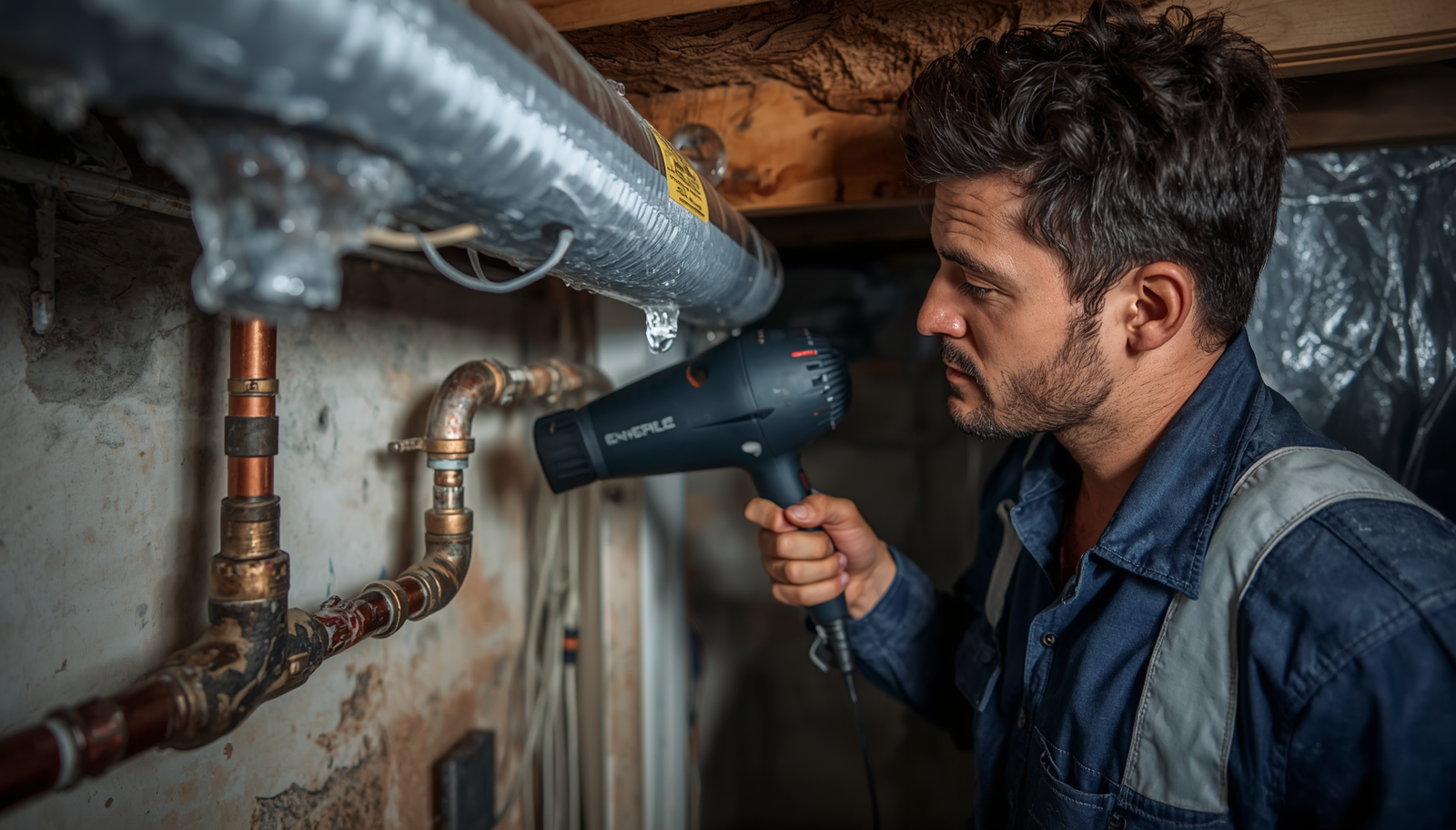
Hair Dryer (Most Common Method)
Most homeowners can grab this from their bathroom.
How to use:
Start near the faucet.
Work your way back toward the frozen section.
Keep the dryer moving constantly.
Never leave the dryer unattended.
Maintain a safe distance from water.
Typical thawing time: 30 to 60 minutes
Heating Pad or Electric Heat Tape
Wrap either one around the frozen pipe and let the gentle heat do its work.
Advantages:
Consistent, controlled heat
Can be left in place safely
Good for longer frozen sections
Less labor-intensive than a hair dryer
Space Heater
If you are dealing with a cold basement or crawl space, a portable space heater warms the whole area.
Safety requirements:
Keep away from anything flammable.
Never leave unattended
Ensure proper ventilation
Use only in dry areas.
Maintain clearances per manufacturer specs.
Turn Up the Thermostat
Sometimes the simplest solution is the best.
Raising the heat throughout your home gives pipes in interior walls and common areas a chance to thaw on their own.
Set the thermostat to at least 70°F and give it several hours to work.
Warm Towels
For accessible pipes, hot water-soaked towels work well.
Method:
Soak towels in hot water.
Wring out excess
Wrap around the frozen pipe section.
Replace as towels cool.
Continue until water flows.
What to Do About Inaccessible Pipes
Not all frozen pipes are easy to get to.
When a freeze occurs behind a wall, above a ceiling, or under a floor, your options are much more limited.
You can try:
Turning up the thermostat
Opening cabinet doors under sinks
Using space heaters in adjacent rooms
Giving it time to warm up
However, when it comes to unfreezing water pipes that you simply cannot reach, your safest bet is to call a professional.
Why Professional Help Matters
77 Rapid Restore's trained technicians have:
Advanced equipment - Infrared cameras locating exact freeze locations
Specialized tools - Professional thawing equipment for inaccessible areas
Expertise - Experience in identifying and resolving freeze situations safely
Inspection capabilities - Ability to spot damage before major problems develop
Emergency availability - 24/7 response for urgent situations
Attempting to cut into walls or apply heat blindly on your own may cause more harm than good.
What to Avoid When Unfreezing Pipes
When you are dealing with a frozen pipe, it is just as important to know what NOT to do.
Here are risky mistakes to avoid:
❌ Open Flames
NEVER use:
Propane torches
Blowtorches
Welding equipment
Open flame of any kind
Why is it dangerous:
Serious fire hazard
Can damage pipes beyond repair
Risk of gas line ignition
May cause a pipe explosion
❌ Excessive Heat
If you apply too much heat too quickly:
Pipes can crack - Thermal shock breaks materials
Fittings can fail - Joints separate under stress
Solder melts - Connection integrity compromised
Materials degrade - Plastic pipes are especially vulnerable
Keep the heat moderate and gradual.
❌ Unattended Heat Sources
Never leave running:
Space heaters
Heat lamps
Extension cords under tension
Any heating device without supervision
Fire risks increase exponentially when heat sources are left unmonitored.
❌ Using the Wrong Tools
Do not use:
Gasoline or kerosene heaters indoors
High-temperature heat guns
Automotive antifreeze in pipes
Chemical de-icers in plumbing
When in doubt, applying heat slowly and steadily is the way to go.
Check for Leaks and Damage After Thawing
Knowing how to thaw frozen pipes is only half the battle.
Once your water is flowing again, a thorough inspection is critical.
Post-Thaw Inspection Checklist
Check pipes for:
Cracks or splits in pipe material.
Leaks at joints and fittings
Bulging or deformed sections
Loose connections
Corrosion or damage
Inspect surrounding areas for:
Moisture on walls
Water stains on ceilings
Dampness in flooring
Mold or mildew odors
Soft or warped materials
Test the system:
Turn on all faucets slowly.
Check water pressure throughout the home.
Listen for unusual sounds.
Monitor for pressure drops.
Verify the hot water heater function.
If you discover any damage, shut off the water immediately and call professionals.
Prevention: Protecting Pipes From Freezing
Going forward, the best way to prevent pipes from freezing includes:
Insulate vulnerable pipes - Foam pipe insulation on exposed lines
Seal air leaks - Close gaps allowing cold air to reach pipes
Maintain consistent heat - Keep thermostat at 55°F minimum when away
Let faucets drip - Slight flow prevents freezing
Open cabinet doors - Allows warm air to reach pipes under sinks
Disconnect outdoor hoses - Drain and disconnect before cold weather
Insulate crawl spaces and attics - Proper insulation protects pipes
Install heat tape - On pipes in extremely vulnerable locations
If Water Damage Occurs
If you discover water damage after your pipes freeze, act fast.
Mold can set in within 24 to 48 hours.
Contact 77 Rapid Restore right away. Our local team is available 24/7 to help you recover from water damage.
Our Emergency Services Include:
✓ Water Extraction - Industrial equipment removes standing water
✓ Structural Drying - Commercial dehumidifiers prevent secondary damage
✓ Mold Prevention - Antimicrobial treatments protect against contamination
✓ Complete Restoration - Repairs from water damage through reconstruction
✓ Plumber Coordination - Work with qualified plumbing professionals
✓ Insurance Documentation - Detailed reporting for claims
Service Areas: Van Nuys, Sherman Oaks, North Hollywood, Encino, Burbank, Glendale, Pasadena, the mountain communities, and all of Los Angeles County.
Location: 7430 Valjean Ave, Van Nuys, CA 91406
Frequently Asked Questions
How do I know if my water pipes are frozen?
The most common signs of a frozen pipe include little to no water flowing from a faucet, visible frost on exposed pipes, and unusual odors coming from drains. If you notice these signs in multiple faucets, your main supply line might be frozen.
How long does it take for water pipes to unfreeze?
When you apply direct heat to a frozen pipe, it can thaw in as little as 30 to 45 minutes. However, pipes in hard-to-reach areas or those with heavy freezing can take several hours to thaw. Be patient. Do not rush the thawing process with excessive heat.
Will water pipes unfreeze on their own?
Yes, pipes can thaw on their own when temperatures rise, but waiting it out is risky. The longer a pipe stays frozen, the greater the chance it will crack or burst. Proactive thawing is always safer.
Who should you call about frozen water pipes?
If you cannot find or access frozen pipes, call a licensed plumber. They have the tools to safely reach and thaw pipes in tricky spots. If a pipe bursts and causes water damage in your home, contact 77 Rapid Restore immediately for fast, effective restoration assistance.
Can frozen pipes damage my home?
Yes, frozen pipes create two damage risks. First, expanding ice can crack pipes, causing immediate failure. Second, burst pipes release substantial water volumes, creating extensive property damage. Quick action prevents both scenarios.
Get Professional Help Now
Frozen pipes are emergencies requiring immediate attention.
Whether you need help thawing inaccessible pipes or addressing water damage from burst pipes, 77 Rapid Restore provides expert assistance 24/7.
Contact 77 Rapid Restore or visit our Google Business Profile for immediate frozen pipe emergency service throughout Los Angeles County.

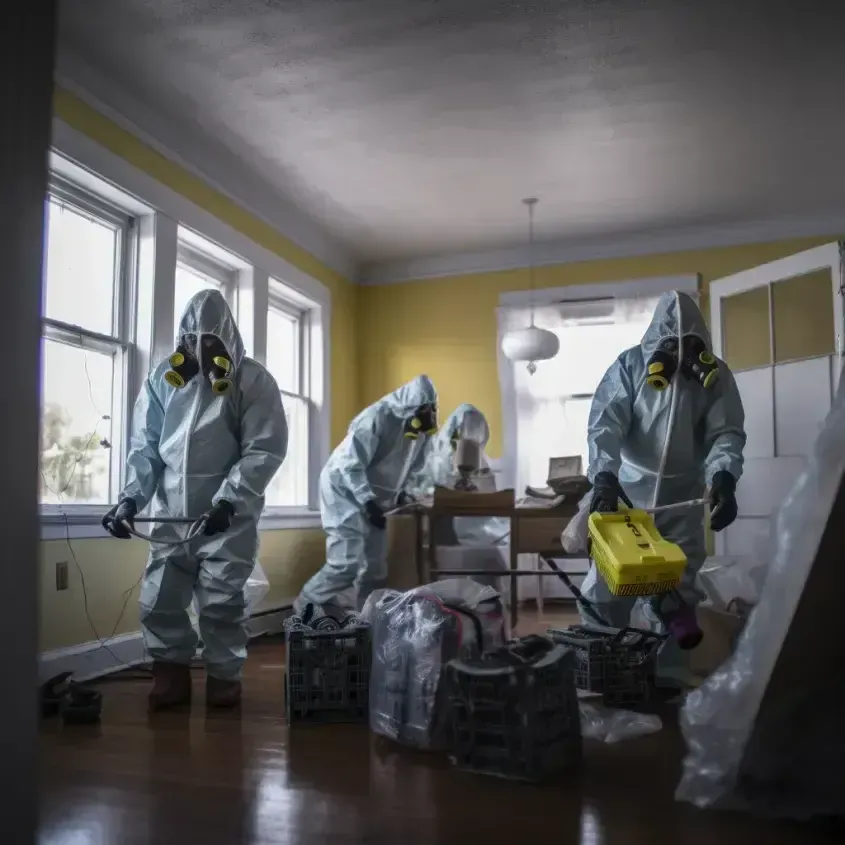
OUR SERVICES
Frequently Asked Questions
1. What types of damage restoration services do you provide?
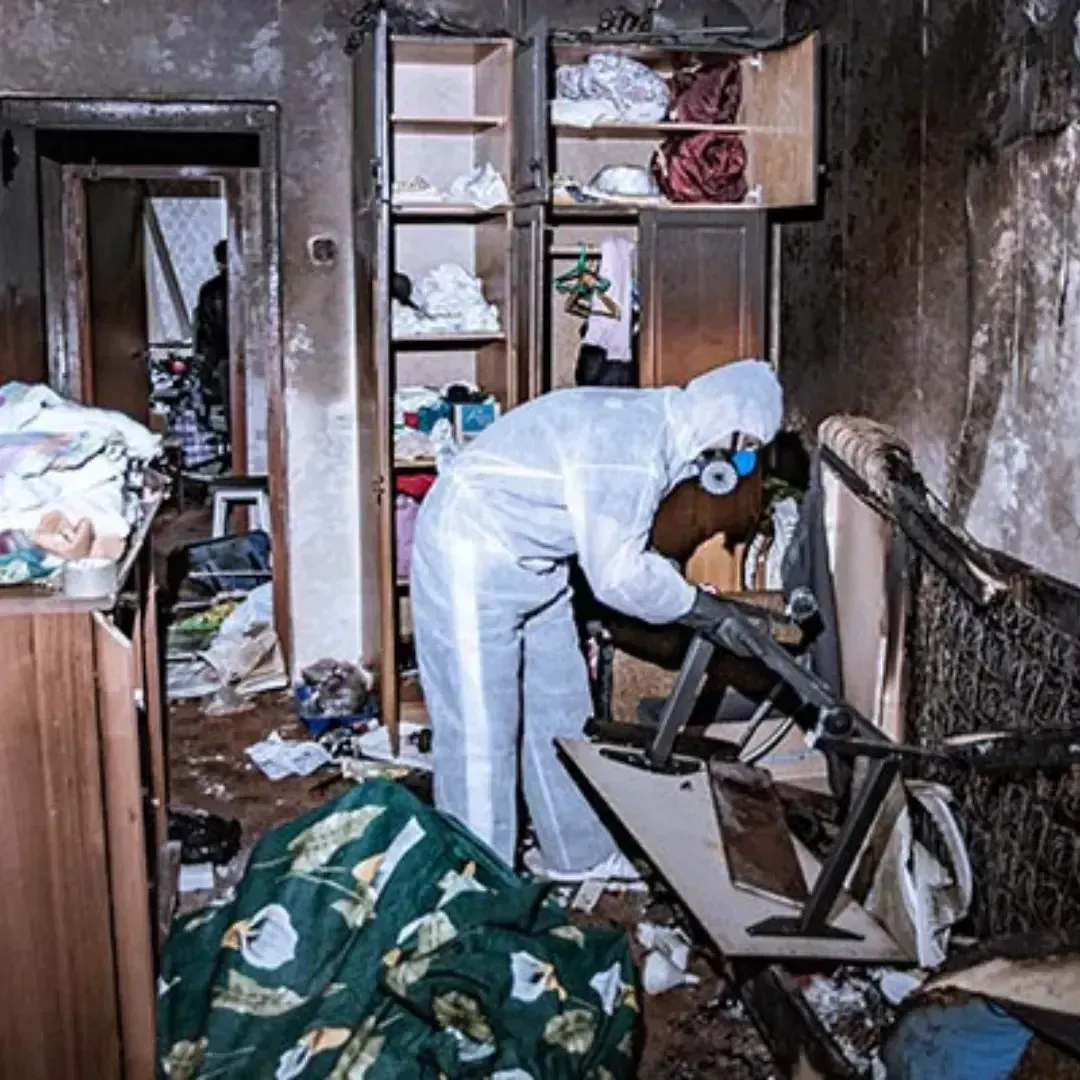
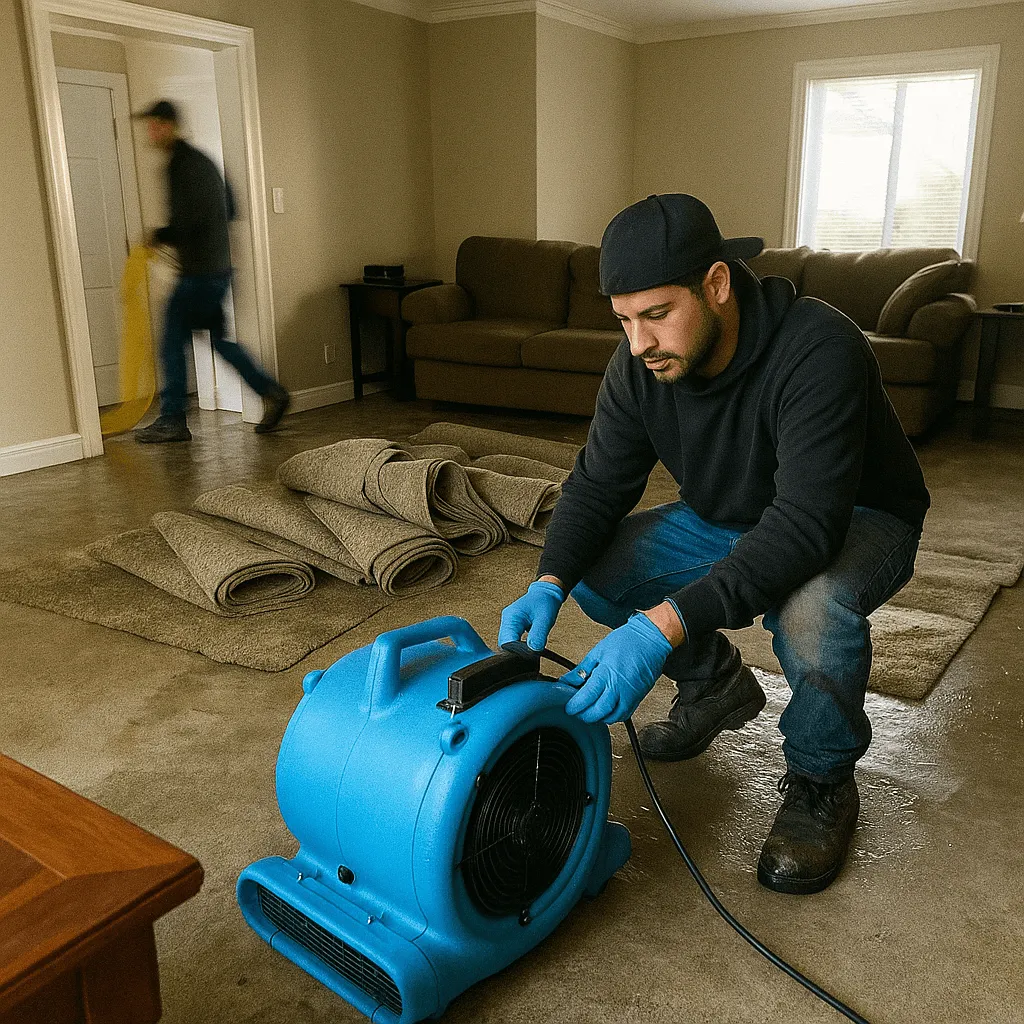
We specialize in water damage, fire and smoke restoration and biohazard cleanup for both homes and businesses.
2. How quickly can your team respond in an emergency?
We offer 24/7 emergency response and aim to be on-site within 60 minutes or less, depending on your location.
3. Do you work with insurance companies?
Yes, we work directly with most major insurance carriers to simplify the claims process for you.
4. Can fire and smoke odors be fully removed?
Absolutely. We use advanced cleaning methods, air scrubbers, and deodorization techniques to eliminate smoke odors completely.
5. What should I do first if I have water damage?
Turn off the water source if possible, then contact us right away. The sooner we begin water extraction and drying, the less damage your property will suffer.
6. How long does restoration usually take?
It depends on the extent of the damage. Minor water jobs may take 1–3 days, while large fire or remediation projects can take a week or more.
7. What is biohazard cleanup?
Biohazard cleanup includes the safe removal of dangerous substances such as blood, bodily fluids, or hazardous materials. We follow strict safety protocols to protect your health.
8. Do you offer both residential and commercial restoration services?
Yes, we provide full restoration services for homes, offices, schools, retail spaces, and other commercial buildings.
9. Why should I choose your company for restoration?
We combine years of experience, state-of-the-art equipment, and a commitment to customer satisfaction. Plus, we’re available 24/7 to restore your property quickly and safely.
GET IN TOUCH
We’re Ready to Restore Your Home or Business.
Whether it’s water damage from a burst pipe, dangerous fire and smoke damage, or hazardous cleanup, our restoration specialists are here to help.
Fill out the form, and our team will reach out quickly to assess your situation, explain your options, and provide a safe, fast, and effective solution to restore your home or business back to normal.
Office Location
Van Nuys, Los Angeles California 91406
We provide fast, reliable restoration for water, fire and biohazard damage—bringing your property back to normal.
Contact Now
Office Location
Van Nuys, Los Angeles California 91406
Reach Out To Us
Follow Us


