




Anytime Call
Drop Email Us
Office Location
Serving Los Angeles, CA & Nearby Areas
Restoration Tips, Guides & Expert Advice
Home Restoration Blog & Resources
Explore practical tips, prevention guides, and expert insights on protecting your home from damage. Our blog helps homeowners understand common issues, avoid costly mistakes, and make informed decisions when restoration is needed.
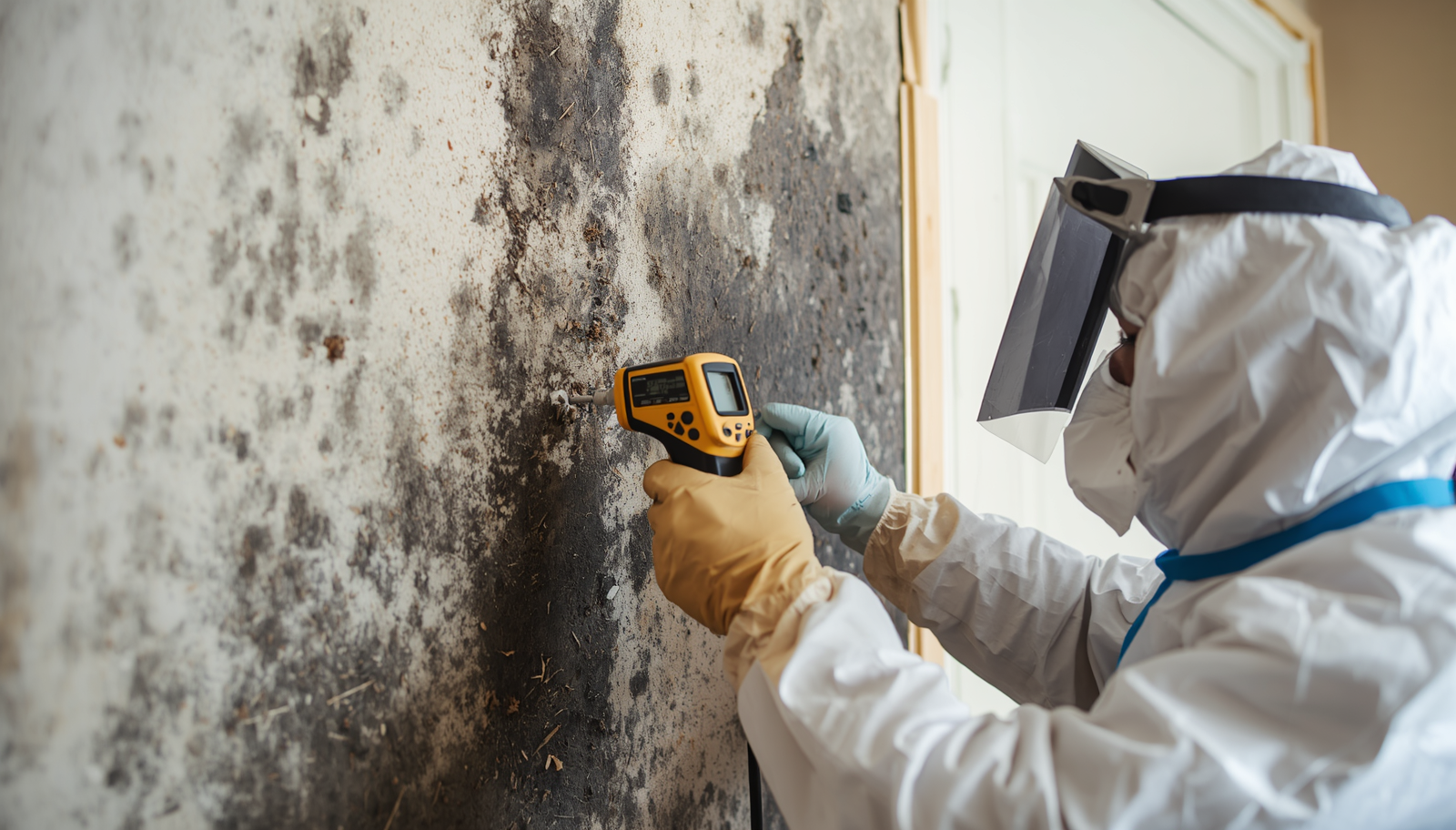
What You Need to Know about Mold in Drywall
TLDR: Too Long, Don't Read
Mold in drywall is a serious health and structural concern. Mold appears fuzzy or slimy in green, brown, or black colors, while mildew is flat and powdery. Professional remediation is required when affected area exceeds 10 square feet, mold penetrates walls, contaminated water is involved, or household members have health sensitivities. Small surface mold on sealed drywall may be cleaned with mild detergent or vinegar, but unsealed drywall often requires removal and replacement. Prevention includes controlling humidity between 30-50%, fixing leaks immediately, proper ventilation, and quick drying of wet areas. Professional mold remediation identifies moisture sources, tests for hidden growth, contains affected areas, and uses specialized equipment, ensuring complete removal.
You have spotted something suspicious on a wall in your home.
Maybe it is a dark patch, a fuzzy growth, or a stain that was not there before.
If you think it might be mold, trust your gut and act fast.
Mold spreads quickly. What starts out as a small spot can grow into a much bigger problem before you know it.
Learning how to identify and address mold in drywall is a good first step to getting the problem under control. But you should also know when the problem requires professional mold removal services.
For immediate professional mold remediation throughout Greater Los Angeles, visit our Google Business Profile or contact 77 Rapid Restore now for 24/7 emergency response.
Key Takeaways
Mold and mildew are not the same thing. Knowing the difference helps you choose the right treatment.
Act quickly. Mold spreads fast, and delaying treatment can turn a small issue into a costly repair.
Know your limits. Large or deeply embedded mold growth in drywall usually requires professional mold remediation.
Gather the right supplies before you start. Knowing how to treat mold on drywall means having proper tools and cleaning products on hand.
The key to keeping mold from coming back is to control moisture levels in your home.
Step 1: Are You Dealing with Mold or Mildew?
Before you grab your cleaning supplies and tackle that weird stain on your wall, it is important to know whether you are dealing with mold or mildew.
Understanding the Difference
Mildew characteristics:
Surface fungus
Usually looks flat and powdery.
Ranges in color from gray to white
Relatively easy to clean
Generally less harmful
Mold characteristics:
Tends to look fuzzy or slimy
Shows up in darker shades of green, brown, or black
Penetrates surfaces deeply
Can cause serious health problems
Requires more aggressive treatment
What Causes Each
Mildew comes from:
Excess humidity
Poor ventilation
Surface moisture accumulation
Mold often signals deeper moisture problems:
Water leaks
Pipe failures
Roof damage
Flooding or water damage
Chronic humidity issues
It is generally safe to clean mildew off your wall.
But when it comes to mold, it is always a smarter move to call a professional like 77 Rapid Restore.
Step 2: When to Call a Mold Remediation Professional
Most mold situations call for more than a scrub brush and a bottle of cleaner.
If you are unsure what you are dealing with, start by scheduling a professional evaluation.
Health Risks of Mold Exposure
The health risks of mold exposure are real, and they are not worth gambling with.
Mold can cause:
Respiratory issues - Coughing, wheezing, difficulty breathing
Allergic reactions - Sneezing, runny nose, skin rashes, eye irritation
Worsening asthma symptoms - Increased attacks and severity
Compromised immune response - Particularly dangerous for vulnerable individuals
Chronic health problems - Long-term exposure creates lasting effects
Neurological symptoms - Headaches, memory problems, mood changes
Situations Requiring Professional Help
Here are situations where you should call a mold professional right away:
The affected area covers more than 10 square feet. Extensive growth requires professional equipment
You suspect mold is growing inside your walls - Hidden mold is dangerous and hard to reach
The mold resulted from contaminated or sewage water - Category 2 or 3 water requires specialized handling
Anyone in your household has allergies, asthma, or a compromised immune system - Health risks too significant for DIY
Mold keeps returning after cleaning - Indicates unresolved moisture source
You smell musty odors without visible mold - Hidden growth behind walls
HVAC system is affected - Mold in the air systems spreads throughout the home
Structural damage is present - Mold may have compromised building materials
Black mold is suspected - Stachybotrys requires professional remediation
Learning how to know if there is mold in your walls is not always easy. When in doubt, call a professional.
Step 3: What You'll Need to Treat Surface Mold on Drywall
IMPORTANT: These supplies are only for minor surface mold on sealed drywall covering less than 10 square feet.
If your mold issue is minor and you feel comfortable tackling it yourself, your first task is to gather the right supplies for the job.
Here is what you will need:
Personal Protective Equipment
N95 respirator mask - Protects against mold spore inhalation
Safety goggles - Prevent eye irritation from spores
Rubber gloves - Protect skin from contact
Disposable coveralls or old clothing - Prevents spore transfer to other areas
Containment Supplies
Plastic sheeting - Seals off the work area, preventing spore spread
Duct tape - Secures plastic barriers
Plastic bags - For disposal of contaminated materials
Cleaning Equipment
HEPA vacuum - Captures mold spores without releasing them back into the air
Stiff bristle brush - Scrubs mold from surfaces
Clean cloths or sponges - For wiping and drying
Spray bottles - For applying cleaning solutions
Cleaning Solutions
Mild detergent or diluted dish soap - For sealed surfaces
White vinegar - Natural mold killer that penetrates better than bleach
Commercial mold cleaner - EPA-registered products for mold
Baking soda - Natural deodorizer and mild abrasive
Never use bleach on drywall. Bleach only kills surface mold on non-porous materials. On porous drywall, bleach cannot penetrate deeply enough to kill mold at the root.
Step 4: Clean the Area (Minor Surface Mold Only)
Determining how to remove mold from drywall depends on whether your drywall is sealed or unsealed.
Sealed Drywall
Sealed drywall has a painted or primed surface. This makes it easier to clean with a mild detergent or diluted vinegar solution.
Cleaning process for sealed drywall:
Ventilate the area - Open windows, run exhaust fans.
Put on protective equipment - Mask, goggles, gloves, coveralls
Contain the area - Hang plastic sheeting around the work zone.
HEPA vacuum the surface - Remove loose spores before cleaning
Mix cleaning solution - 1 part vinegar to 1 part water, or mild detergent solution.
Scrub the mold - Use a stiff brush working in circular motions.
Wipe clean - Remove solution with a damp cloth.
Dry thoroughly - Use fans and dehumidifiers ensuring complete drying
HEPA vacuum again - Capture any remaining spores
Dispose of materials properly - Seal in plastic bags.
Unsealed Drywall
Unsealed drywall is much more porous. Mold can penetrate deep into it.
If you have got mold on unsealed drywall, you will likely need to:
Cut out the affected areas.
Replace with new drywall.
Prime and seal to prevent future growth
Better yet, call an expert for this more challenging job.
Attempting DIY removal on unsealed drywall often:
Misses deep mold growth
Spreads spores throughout the home
Leaves the moisture source unaddressed
Creates health hazards
Step 5: Prevent Mold in Drywall
Cleaning up mold on drywall is only half the battle.
Keeping it from coming back is just as important.
Here are practical steps you can take to prevent mold growth for good.
Control Humidity Levels
Keep indoor humidity between 30 and 50 percent.
Methods for controlling humidity:
Air conditioning - Heavily used in Los Angeles, AC removes moisture from the air
Dehumidifiers - Essential for naturally humid areas
Hygrometers - Monitor humidity levels throughout the home
Proper ventilation - Allows moist air to escape
Los Angeles homes benefit from a naturally dry climate most of year, but coastal areas and valley microclimates may experience higher humidity, requiring active control.
Fix Leaks Right Away
Take care of plumbing leaks, roof leaks, and any other water intrusions as soon as you spot them.
Common leak sources requiring immediate attention:
Dripping faucets
Leaking pipes under sinks
Toilet wax ring failures
Roof damage from storms
Window seal failures
HVAC condensation leaks
Even small leaks create perfect conditions for mold growth.
Ventilate Areas Prone to Moisture
Run exhaust fans in your bathrooms and kitchen to lower excess moisture.
Ventilation best practices:
Bathrooms - Run fan during and 30 minutes after showers
Kitchens - Use a range hood when cooking
Laundry rooms - Vent dryers properly to the outside
Basements - Ensure adequate air circulation
Attics - Proper venting prevents condensation
Dry Wet Areas Quickly
After a spill or flood, dry the affected area as soon as you can.
Drying timeline for preventing mold:
0-24 hours: Window for preventing mold growth
24-48 hours: Mold begins colonizing
48+ hours: Active mold growth established
Speed is critical in water damage situations.
Regular Inspections
Check vulnerable areas monthly:
Under sinks
Around toilets
Basement walls
Attic spaces
Window sills
HVAC drain pans
Early detection prevents major mold problems.
If pesky mold on drywall keeps coming back after you clean it, your home is telling you something bigger is happening.
Recurring mold is a clear sign that it is time to bring in a mold remediation specialist.
Why Mold in Drywall Is Best Left to Professionals
Removing mold from drywall on your own might work for small surface mold issues, but mold is rarely just a surface problem.
A trained mold remediation specialist does much more than clean what you can see with the naked eye.
What Professional Mold Remediation Includes
A mold removal professional will:
Identify the root cause of moisture feeding the mold
Professionals find:
Hidden leaks
Condensation sources
Ventilation problems
Humidity issues
Structural defects
Without addressing the moisture source, mold will return.
Test for hidden growth behind walls and under flooring
Professional testing includes:
Thermal imaging cameras
Moisture meters
Air quality sampling
Surface testing
Laboratory analysis
Hidden mold is often more extensive than visible growth.
Contain the affected area to prevent spores from spreading
Professional containment involves:
Negative air pressure systems
HEPA filtration
Physical barriers
Controlled entry/exit points
Air scrubbers
Proper containment prevents cross-contamination to unaffected areas.
Use professional-grade equipment to fully fix the problem
Specialized equipment includes:
Industrial HEPA vacuums
Commercial dehumidifiers
Air movers and fans
Antimicrobial treatments
Specialized cleaning agents
Moisture detection technology
This equipment removes mold completely and prevents recurrence.
Remove and properly dispose of contaminated materials
Professionals safely:
Remove affected drywall
Dispose of contaminated insulation.
Clean structural components
Follow EPA guidelines
Prevent spore release during removal
Restore your property completely.
Complete restoration includes:
Installing new drywall
Replacing insulation
Painting and finishing
Repairing structural damage
Testing air quality
Your property returns to a safe, healthy condition.
The bottom line is that your health and home are too important to risk on a partial fix.
When mold shows up in your drywall, the smartest decision you can make is to call in an expert.
77 Rapid Restore Provides Professional Mold Remediation
77 Rapid Restore's mold remediation specialists are ready to rid your Los Angeles home of mold.
Our IICRC-certified technicians thoroughly assess and inspect your property for visible mold signs and use various techniques to detect the presence of mold and possible hidden water sources.
If mold is found, we work with you through the cleanup, repair, and remediation process with as little disruption as possible.
Our Complete Mold Remediation Services:
✓ 24/7 Emergency Response - Immediate assistance throughout Los Angeles County
✓ Professional Mold Inspection - Comprehensive assessment and testing
✓ Moisture Detection - Advanced equipment for finding hidden sources
✓ Containment Protocols - Preventing spore spread during remediation
✓ HEPA Filtration - Air scrubbing, removing airborne spores
✓ Safe Mold Removal - Following EPA and IICRC standards
✓ Antimicrobial Treatment - Preventing future growth
✓ Complete Restoration - Drywall replacement, painting, finishing
✓ Air Quality Testing - Verifying safe conditions after remediation
✓ Moisture Source Repair - Fixing underlying causes
✓ Insurance Coordination - Documentation and claims support
Service Areas: Van Nuys, Sherman Oaks, North Hollywood, Encino, Burbank, Glendale, Pasadena, and all of Greater Los Angeles.
Location: 7430 Valjean Ave, Van Nuys, CA 91406
Frequently Asked Questions
How do I remove black mold from drywall?
Cleaning black mold is never a DIY project. It can pose serious health risks and often goes deep into drywall, making surface cleaning ineffective. The safest solution is to contact a licensed mold remediation professional like 77 Rapid Restore to safely and completely remove black mold from your home.
How do I clean mold off drywall?
For small outbreaks of surface mold on sealed drywall (less than 10 square feet), scrub the area with a mild detergent or diluted vinegar solution using a stiff brush. Dry the area thoroughly. If the mold covers more than 10 square feet, keeps returning, or has gotten into unsealed drywall, contact a professional mold remediation service immediately.
How do I treat mold on drywall?
Treating mold on drywall starts with figuring out whether your drywall is sealed or unsealed. You may be able to clean a sealed surface with mild detergent or vinegar. However, unsealed drywall absorbs moisture. Often, it is necessary for a professional to remove the entire affected section of drywall and replace it.
Does bleach kill mold on drywall?
Bleach can kill mold on non-porous surfaces, but drywall is porous. The bleach only treats what is visible on the surface and will not penetrate deeply enough to kill mold at the root. For drywall, a diluted vinegar solution is more effective, though a professional mold remediation specialist is the best option for the job.
Should I call a professional to remove mold from drywall?
In most cases, yes. Mold in drywall is usually not just a surface issue. A professional mold specialist can identify the source of moisture causing the mold and fully remediate the problem using professional-grade equipment. At the end of the day, a professional will get rid of the mold and protect both your home and your family's health.
How long does mold remediation take?
Mold remediation typically takes 1 to 5 days, depending on the extent of contamination, the size of the affected area, and the severity of moisture damage. Small surface mold may be addressed quickly, while extensive hidden mold requiring drywall removal and reconstruction takes longer. 77 Rapid Restore provides accurate timelines after initial assessment.
Don't Wait - Mold Grows Quickly
Mold in drywall is not a problem that resolves on its own.
Every day you wait, mold spreads further, and health risks increase.
Contact 77 Rapid Restore today or visit our Google Business Profile to schedule a professional mold inspection and remediation.
Available 24/7 for emergency mold remediation throughout Los Angeles County.

OUR SERVICES
Frequently Asked Questions
1. What types of damage restoration services do you provide?
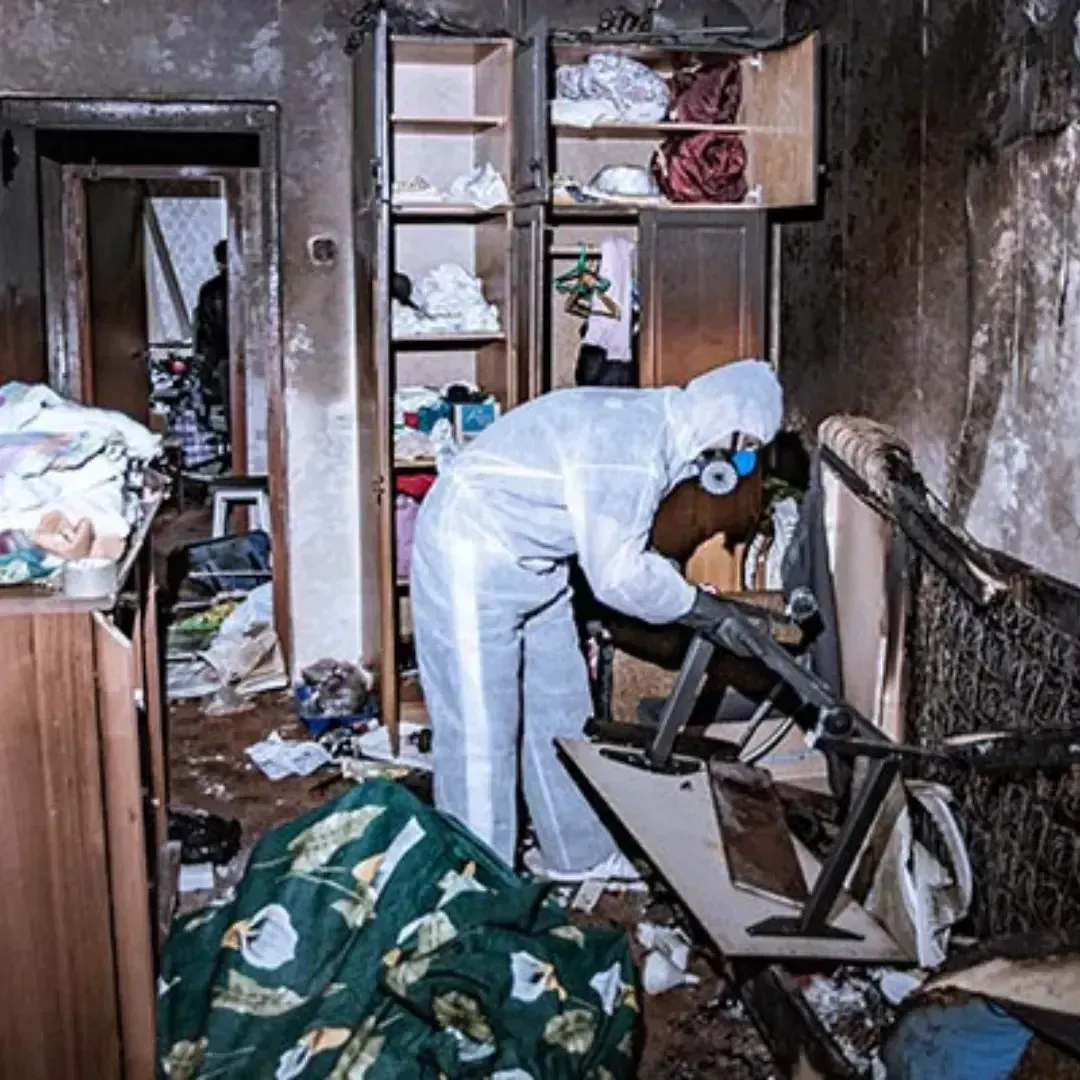
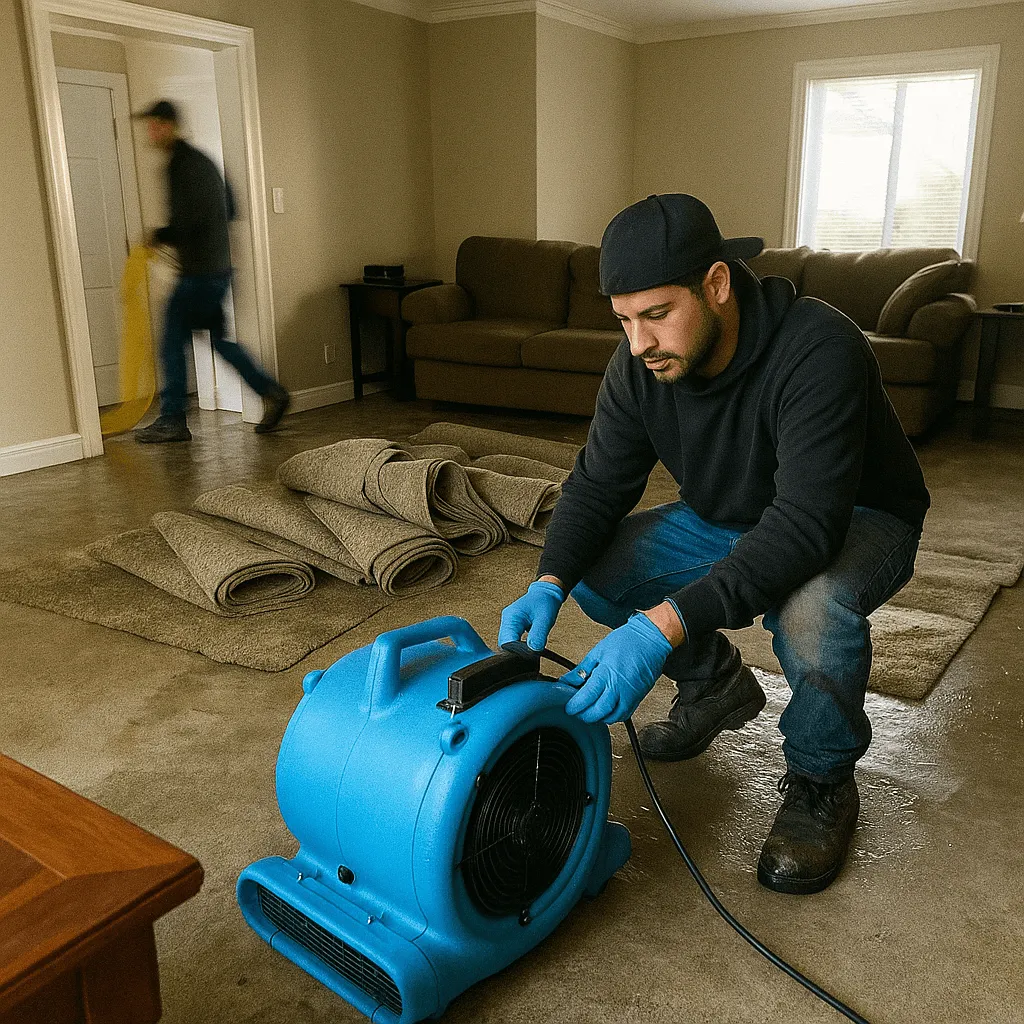
We specialize in water damage, fire and smoke restoration and biohazard cleanup for both homes and businesses.
2. How quickly can your team respond in an emergency?
We offer 24/7 emergency response and aim to be on-site within 60 minutes or less, depending on your location.
3. Do you work with insurance companies?
Yes, we work directly with most major insurance carriers to simplify the claims process for you.
4. Can fire and smoke odors be fully removed?
Absolutely. We use advanced cleaning methods, air scrubbers, and deodorization techniques to eliminate smoke odors completely.
5. What should I do first if I have water damage?
Turn off the water source if possible, then contact us right away. The sooner we begin water extraction and drying, the less damage your property will suffer.
6. How long does restoration usually take?
It depends on the extent of the damage. Minor water jobs may take 1–3 days, while large fire or remediation projects can take a week or more.
7. What is biohazard cleanup?
Biohazard cleanup includes the safe removal of dangerous substances such as blood, bodily fluids, or hazardous materials. We follow strict safety protocols to protect your health.
8. Do you offer both residential and commercial restoration services?
Yes, we provide full restoration services for homes, offices, schools, retail spaces, and other commercial buildings.
9. Why should I choose your company for restoration?
We combine years of experience, state-of-the-art equipment, and a commitment to customer satisfaction. Plus, we’re available 24/7 to restore your property quickly and safely.
GET IN TOUCH
We’re Ready to Restore Your Home or Business.
Whether it’s water damage from a burst pipe, dangerous fire and smoke damage, or hazardous cleanup, our restoration specialists are here to help.
Fill out the form, and our team will reach out quickly to assess your situation, explain your options, and provide a safe, fast, and effective solution to restore your home or business back to normal.
Office Location
Van Nuys, Los Angeles California 91406
We provide fast, reliable restoration for water, fire and biohazard damage—bringing your property back to normal.
Contact Now
Office Location
Van Nuys, Los Angeles California 91406
Reach Out To Us
Follow Us


