





Anytime Call
Drop Email Us
Office Location
Van Nuys, Los Angeles California 91406
Restoration Tips, Guides & Expert Advice
Home Restoration Blog & Resources
Explore practical tips, prevention guides, and expert insights on protecting your home from damage. Our blog helps homeowners understand common issues, avoid costly mistakes, and make informed decisions when restoration is needed.
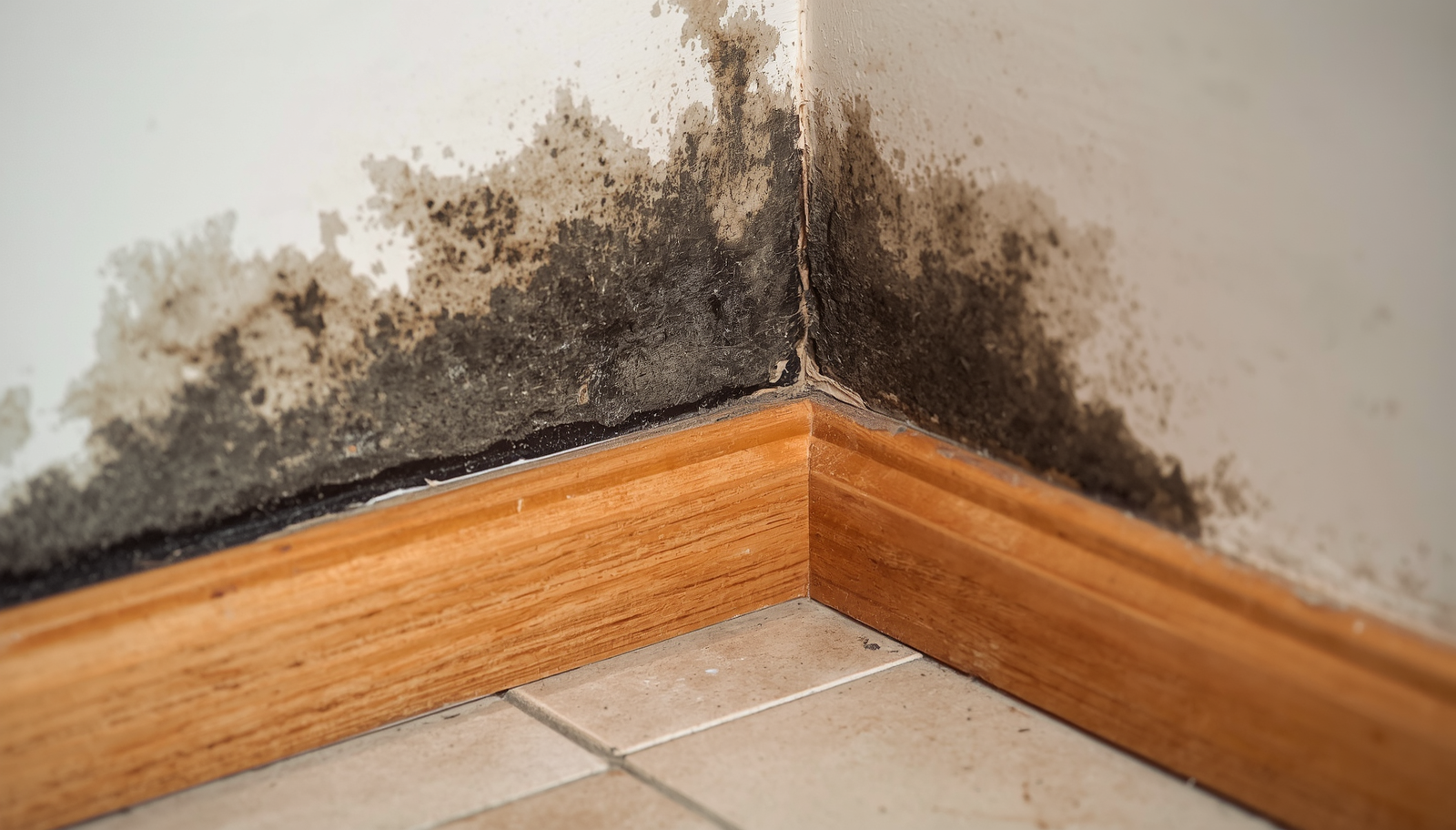
Signs of Water Damage on Baseboards
TLDR: Too Long, Don't Read
Baseboards show five key signs of water damage: peeling paint from moisture penetration, noticeable stains from water contact, discoloration from prolonged exposure, warping and separation from wall indicating severe damage, and mold growth in persistent moisture. Common causes include plumbing leaks, flooding, condensation, and humidity. Early detection prevents extensive repairs and mold problems. Professional water damage restoration addresses both visible damage and underlying moisture sources ensuring complete resolution.
Discovering signs of water damage in your home is a cause for concern, especially when it affects areas like your baseboards.
Baseboards are components crucial to your living spaces' structural integrity and aesthetic appeal. They protect the joint between walls and floors while providing finished appearance to rooms.
Identifying and addressing baseboard water damage early can prevent extensive repairs and ensure your home remains safe and visually pleasing.
This guide explores leading causes and telltale signs of baseboard water damage affecting Los Angeles homes throughout Van Nuys, Sherman Oaks, North Hollywood, and surrounding areas.
For immediate professional water damage assessment throughout Greater Los Angeles, visit our Google Business Profile or contact 77 Rapid Restore now for 24/7 emergency response.
What Causes Water Damage on Baseboards?
Understanding these common causes is the first step in preventing damage and maintaining your home's integrity.
1. Plumbing Leaks
Plumbing leaks are a frequent cause of baseboard water damage.
Common sources:
Leaky pipes behind walls traveling down to baseboards
Dripping faucets creating moisture accumulation over time
Faulty fixtures including toilets, sinks, and tubs
Supply line failures from washing machines and dishwashers
Hidden leaks within wall cavities undetected for extended periods
Over time, even small leaks can cause significant damage as water accumulates and saturates wood. This constant exposure weakens baseboard material, leading to warping, staining, and mold growth.
Los Angeles Plumbing Considerations
Many homes throughout Van Nuys, Sherman Oaks, and North Hollywood have aging plumbing systems. Original copper or galvanized pipes installed decades ago become prone to:
Corrosion creating pinhole leaks
Joint failures from age and pressure
Connection deterioration at fixtures
Supply line bursts from pressure surges
Regular plumbing inspections catch problems before baseboards suffer damage.
2. Flooding and Water Intrusion
Heavy rainfall, natural disasters, or outdoor drainage issues can cause significant damage to your home's baseboards.
Flooding sources affecting baseboards:
Storm flooding - Winter rains overwhelming drainage systems
Foundation leaks - Water seeping through foundation cracks
Window leaks - Failed seals allowing water intrusion during rain
Door thresholds - Improper sealing permitting water entry
Slab leaks - Pipes beneath concrete floors leaking upward
Water from these events can quickly spread and seep into walls and baseboards. The longer it is left unaddressed, the more issues like warping, swelling, and mold develop.
Los Angeles Weather Patterns
Southern California experiences intense winter storms that can:
Overwhelm gutters and downspouts
Create flash flooding in low-lying areas
Expose foundation waterproofing weaknesses
Test window and door seals
Proper drainage and exterior waterproofing prevent flooding damage to baseboards.
3. Condensation and Humidity
When warm, moist air comes into contact with cooler surfaces, condensation forms, leading to dampness.
How condensation damages baseboards:
Temperature differentials - Air conditioning creating cool wall surfaces
Poor ventilation - Limited air circulation trapping moisture
Steam exposure - Bathrooms and kitchens producing excessive moisture
HVAC condensation - AC units creating water buildup
This seemingly harmless moisture buildup can cause damage over time. Persistent dampness can penetrate baseboards, resulting in discoloration, peeling paint, and mold.
High-Risk Areas in Your Home
Bathrooms - Showers and bathtubs create steam and splashing
Kitchens - Cooking and dishwashing produce moisture
Basements - Below-grade spaces naturally more humid
Laundry rooms - Washers and dryers generate significant moisture
Improperly vented spaces - Limited air exchange allows humidity buildup
Dehumidifiers and adequate ventilation in these areas help manage indoor humidity levels and reduce damage risk.
4. Foundation Problems
Specific to Los Angeles homes:
Slab leaks - Common in concrete slab construction throughout Southern California
Foundation cracks - Seismic activity and soil movement creating pathways for water
Poor grading - Soil sloping toward foundation directing water inside
Failed waterproofing - Aging exterior waterproofing membranes
These problems allow water to enter at floor level, immediately affecting baseboards.
5. HVAC System Issues
Air conditioning systems produce condensation that can damage baseboards when:
Drain lines clog - Overflow creates water accumulation
Drip pans crack - Water escapes AC units
Ductwork sweats - Poorly insulated ducts create condensation
Return vents leak - Moisture accumulates near baseboards
Los Angeles homes run AC extensively during warm months, creating more opportunities for HVAC-related water damage.
Signs of Water Damage on Baseboards
Here are five unmistakable signs that water has compromised your baseboards.
1. Peeling Paint
Water seeping into your baseboard causes paint to lose adhesion.
What happens:
Water penetrates beneath paint film
Adhesion fails as moisture accumulates
Paint bubbles creating raised areas
Blistering occurs as water vaporizes
Peeling begins at edges and damaged areas
As a result, paint may begin to bubble, crack, and peel away from the surface.
Paint peeling from baseboards is often one of the first visible signs that water or moisture has found its way into walls, compromising baseboard integrity.
What to look for:
Bubbling or blistering paint
Curling paint edges
Paint flaking off in layers
Soft paint that scrapes easily
Discoloration beneath paint
If you notice this issue, it is crucial to inspect further for water damage to prevent future problems and make necessary repairs.
2. Noticeable Stains
Unsightly stains on baseboards are another telltale sign of water damage.
Types of staining:
Water rings - Circular marks from standing water
Streaking - Vertical lines from water running down walls
Tide marks - Horizontal lines showing high-water levels
Discolored patches - Irregular dark or light areas
Brown or yellow spots - Wood tannins leaching from moisture
These stains may appear as darker spots or discolored patches and can be caused by direct water contact or moisture wicking up from damp floors or carpets.
Even if the baseboard feels dry to the touch, stains indicate water has been present at some point.
If you see stains without an obvious cause such as a spill, water damage could lurk behind the scenes.
3. Signs of Discoloration
In addition to noticeable stains, general discoloration suggests long-term exposure to moisture.
Discoloration patterns:
Slight darkening - Early moisture exposure
Pronounced yellow hues - Water damage progressing
Brown coloring - Extended saturation and deterioration
Gray appearance - Mold beginning to colonize
Black spots - Severe mold contamination
As water causes wood to deteriorate, it also changes in appearance. The resulting discoloration can range from slightly darkening to pronounced color shifts.
Discoloration indicates the damage has been present for extended periods, potentially affecting structural integrity beyond surface appearance.
4. Warping and Unstable Wall Contact
When wood absorbs water, it expands and contracts, leading to warping.
Unfortunately, warping is a sign that water or moisture has already severely affected baseboard structure and functionality.
Physical changes from water damage:
Swelling - Wood expanding from moisture absorption
Bowing - Baseboards curving away from wall
Cupping - Edges curling upward or inward
Buckling - Significant deformation creating waves
Separation - Gaps appearing between baseboard and wall
Warped baseboards may appear swollen, bowed, or uneven and feel spongy and less solid when pressed.
They may also pull away from the wall, creating gaps that compromise baseboard stability and the wall it is attached to.
Testing for warping:
Press gently on baseboards
Check for soft, spongy texture
Look for gaps behind baseboards
Examine baseboard profile for straightness
Check nail or screw attachment points
5. Mold Growth
Mold on baseboards is a serious sign of water damage.
As mold thrives in moist conditions, its presence indicates water has been available for fungi to grow and spread.
Common mold appearances:
Black mold - Stachybotrys or other dark species
Green mold - Various mold types indicating moisture
White mold - Often early-stage growth
Fuzzy texture - Active mold colonization
Musty odors - Even when mold is not visible
Mold may appear as black, green, or white spots on baseboard surfaces. Mold also often has a musty odor, which can help identify its presence.
Health Risks from Mold
If you notice mold, it is critical to address the moisture issue and remove mold promptly, as it can pose health risks to you and your family.
Mold can:
Spread quickly throughout home
Compromise indoor air quality
Cause respiratory problems
Trigger allergic reactions
Affect people with asthma
This makes professional mold removal imperative.
Additional Warning Signs
6. Soft or Crumbling Wood
Advanced water damage causes baseboards to:
Feel soft when pressed
Crumble or flake when touched
Develop punky, deteriorated texture
Lose structural integrity completely
7. Insect Activity
Water-damaged wood attracts:
Carpenter ants
Termites
Powder post beetles
Other wood-boring insects
Insect presence combined with moisture creates compound damage.
8. Unusual Odors
Persistent musty or damp smells near baseboards indicate:
Hidden moisture
Mold growth behind walls
Stagnant water accumulation
Organic material decay
Professional Detection Methods
77 Rapid Restore uses advanced technology for accurate water damage assessment:
Moisture meters - Measure exact moisture content in baseboards and walls
Thermal imaging - Identifies hidden moisture behind surfaces
Hygrometers - Measure ambient humidity levels
Visual inspection - Trained eyes spot subtle damage indicators
Probing - Carefully tests baseboard integrity
These tools identify problems invisible to homeowners, ensuring complete damage assessment.
What To Do After Discovering Water Damage on Your Baseboards
Discovering water damage on baseboards may be distressing, but you do not have to tackle this problem alone.
Immediate steps:
1. Identify water source - Stop ongoing water intrusion
2. Document damage - Photograph for insurance claims
3. Remove standing water - Prevent additional damage
4. Contact professionals - Get expert assessment
It is best to get help from water damage restoration professionals as soon as you notice signs mentioned above.
Why Professional Help Matters
DIY limitations:
Cannot access moisture behind walls
Lack specialized drying equipment
May miss hidden mold growth
Risk incomplete moisture removal
May create additional damage
Professional advantages:
Complete moisture detection
Industrial drying equipment
Mold prevention protocols
Structural assessment expertise
Insurance documentation
With professional expertise, baseboards can be repaired correctly and efficiently so you can return to your routine as quickly as possible.
Prevention Tips for Los Angeles Homeowners
Regular maintenance prevents baseboard water damage:
Inspect plumbing regularly - Catch leaks before damage occurs
Maintain proper grading - Ensure soil slopes away from foundation
Clean gutters seasonally - Prevent overflow during winter rains
Monitor humidity levels - Keep indoor humidity below 60%
Check caulking annually - Maintain seals around tubs, showers, windows
Test sump pumps - Ensure proper function before rainy season
Inspect HVAC systems - Clean drain lines, check for leaks
Ventilate bathrooms properly - Run exhaust fans during and after showers
77 Rapid Restore: Your Water Damage Experts
If you need help with water damage in your home, 77 Rapid Restore is the name you can trust.
Our IICRC-certified water damage restoration and mold remediation experts are ready to address damage and any additional issues uncovered during the restoration process.
Our Services Include:
✓ Complete Water Damage Assessment - Advanced detection technology
✓ Emergency Water Extraction - Industrial equipment removes moisture
✓ Structural Drying - Commercial dehumidifiers and air movers
✓ Mold Remediation - Professional removal and prevention
✓ Baseboard Repair/Replacement - Expert carpentry work
✓ Paint and Finish Restoration - Matching existing finishes
✓ Source Repair Coordination - Work with plumbers as needed
✓ Insurance Documentation - Detailed reporting for claims
Service Areas: Van Nuys, Sherman Oaks, North Hollywood, Encino, Burbank, Glendale, Pasadena, and all of Greater Los Angeles.
Location: 7430 Valjean Ave, Van Nuys, CA 91406
Let our skilled team return your baseboards and your home to their original condition.
Get Professional Help Today
Don't let baseboard water damage worsen into costly repairs and health hazards.
Call 77 Rapid Restore today or visit our Google Business Profile and look forward to regaining a safe, dry home.
Available 24/7 for emergency water damage restoration throughout Los Angeles County.

OUR SERVICES
Frequently Asked Questions
1. What types of damage restoration services do you provide?
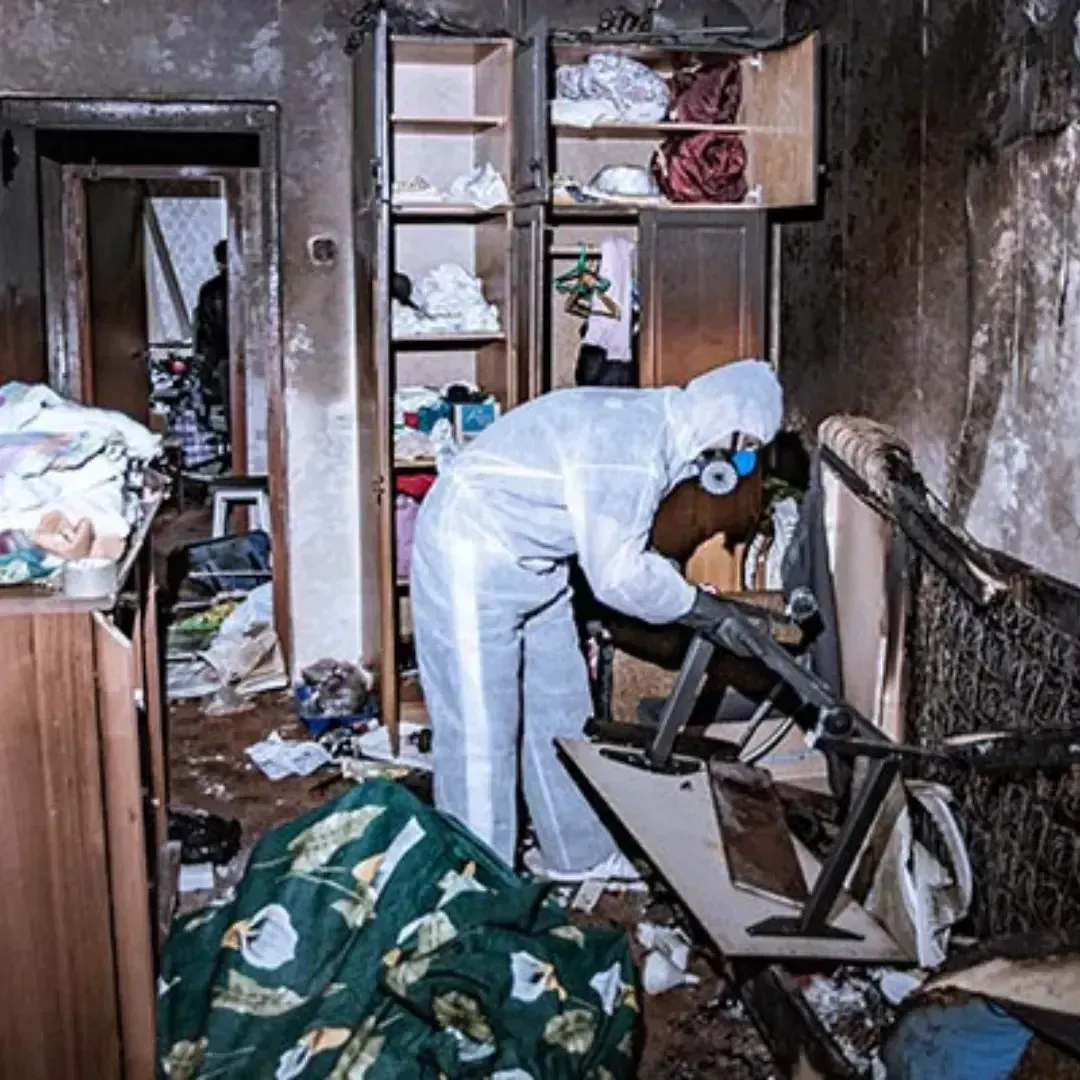
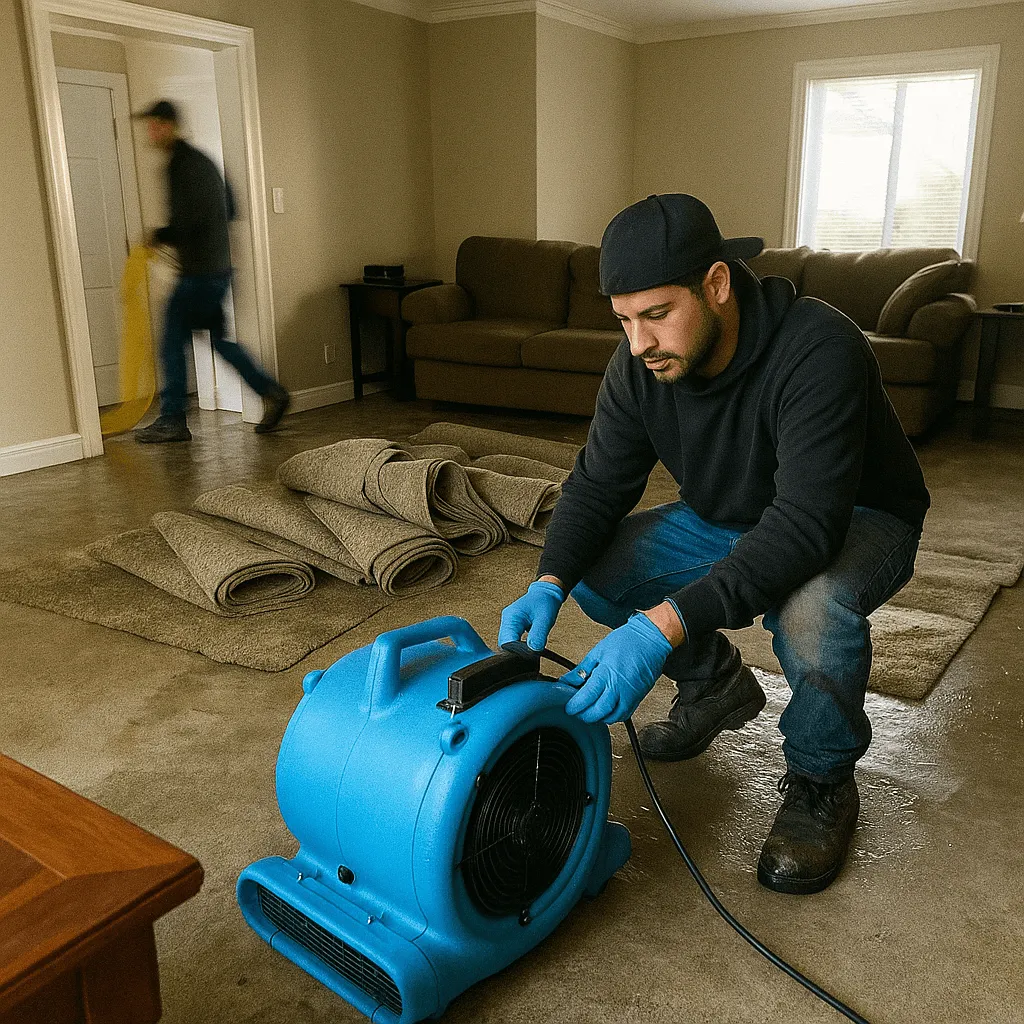
We specialize in water damage, fire and smoke restoration and biohazard cleanup for both homes and businesses.
2. How quickly can your team respond in an emergency?
We offer 24/7 emergency response and aim to be on-site within 60 minutes or less, depending on your location.
3. Do you work with insurance companies?
Yes, we work directly with most major insurance carriers to simplify the claims process for you.
4. Can fire and smoke odors be fully removed?
Absolutely. We use advanced cleaning methods, air scrubbers, and deodorization techniques to eliminate smoke odors completely.
5. What should I do first if I have water damage?
Turn off the water source if possible, then contact us right away. The sooner we begin water extraction and drying, the less damage your property will suffer.
6. How long does restoration usually take?
It depends on the extent of the damage. Minor water jobs may take 1–3 days, while large fire or remediation projects can take a week or more.
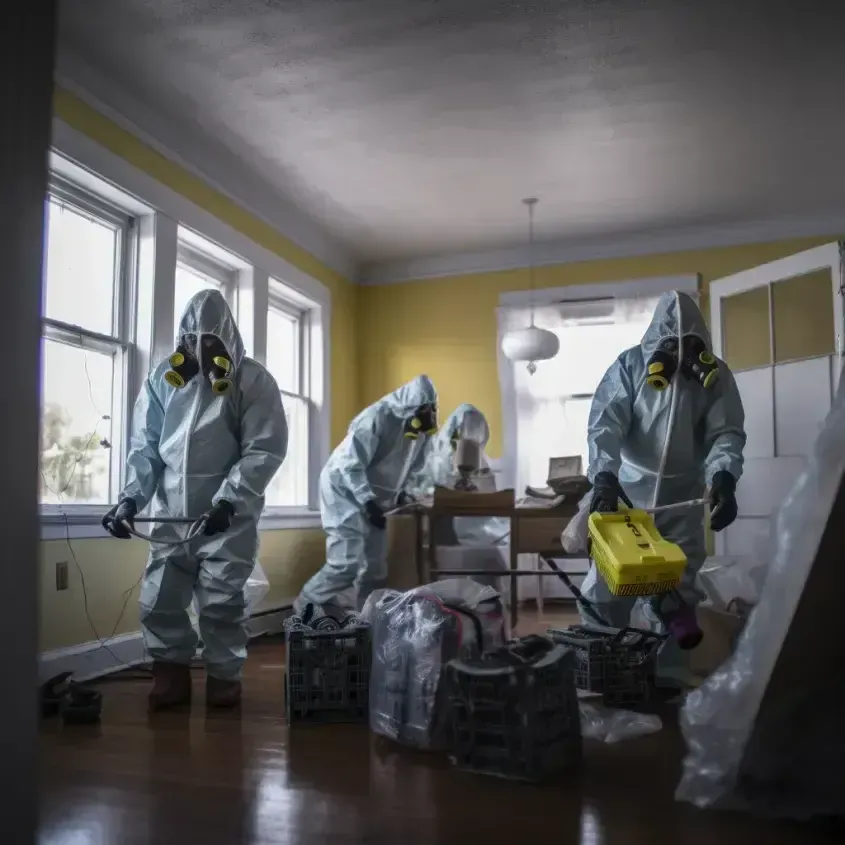
7. What is biohazard cleanup?
Biohazard cleanup includes the safe removal of dangerous substances such as blood, bodily fluids, or hazardous materials. We follow strict safety protocols to protect your health.
8. Do you offer both residential and commercial restoration services?
Yes, we provide full restoration services for homes, offices, schools, retail spaces, and other commercial buildings.
9. Why should I choose your company for restoration?
We combine years of experience, state-of-the-art equipment, and a commitment to customer satisfaction. Plus, we’re available 24/7 to restore your property quickly and safely.
GET IN TOUCH
We’re Ready to Restore Your Home or Business.
Whether it’s water damage from a burst pipe, dangerous fire and smoke damage, or hazardous cleanup, our restoration specialists are here to help.
Fill out the form, and our team will reach out quickly to assess your situation, explain your options, and provide a safe, fast, and effective solution to restore your home or business back to normal.
Office Location
Van Nuys, Los Angeles California 91406
We provide fast, reliable restoration for water, fire and biohazard damage—bringing your property back to normal.
Contact Now
Office Location
Van Nuys, Los Angeles California 91406
Reach Out To Us
Follow Us


