



Anytime Call
Drop Email Us
Office Location
Serving Los Angeles, CA & Nearby Areas
Restoration Tips, Guides & Expert Advice
Home Restoration Blog & Resources
Explore practical tips, prevention guides, and expert insights on protecting your home from damage. Our blog helps homeowners understand common issues, avoid costly mistakes, and make informed decisions when restoration is needed.
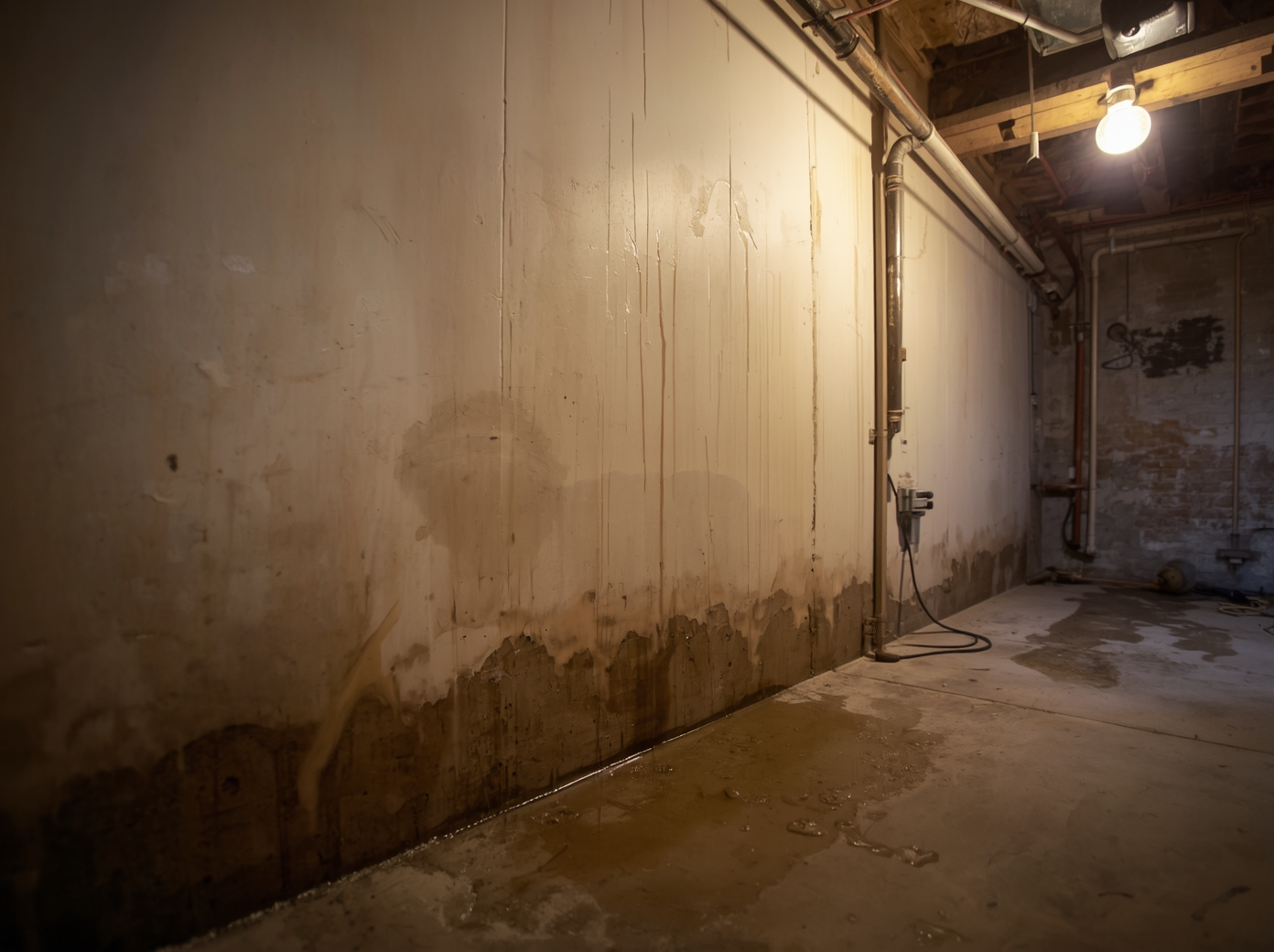
Water Intrusion Repair Guide
TLDR: Too Long, Don't Read
Water intrusion is water entering your home where it should not. Common causes include foundation cracks, roof damage, poor drainage, faulty window seals, and plumbing leaks. Warning signs include water stains, peeling paint, musty odors, warped flooring, and mold growth. Immediate steps include stopping the source, removing standing water, drying the area, and calling professionals. DIY repairs work for minor issues, but extensive damage requires professional water intrusion repair services. Prevention includes regular roof inspections, gutter cleaning, seal maintenance, and foundation crack repairs. Professional help ensures complete moisture removal and prevents mold growth.
The water stain on your ceiling. A musty smell in the basement that will not go away.
These might seem like minor annoyances, but they could be early signs of water intrusion.
What is happening behind your walls, or under your floors, may be far more serious than what you can see.
If you think water is getting into your Los Angeles home, you are in the right place.
This guide walks you through the causes of water intrusion, how to spot it, what to do about it, and when to call professionals at 77 Rapid Restore for water damage repair.
For immediate professional water intrusion repair throughout Greater Los Angeles, visit our Google Business Profile or contact 77 Rapid Restore now for 24/7 emergency response.
Key Takeaways
Water intrusion does not always announce itself. A musty smell, peeling paint, or a small water stain may be the only visible sign of a much bigger hidden problem.
Common causes include foundation cracks, roof damage, poor drainage, and faulty window or door seals.
The source of water is not always where the damage appears. Water can travel a long way before you notice a problem.
Investing in water intrusion repair early can prevent more expensive problems down the road, such as mold growth and structural damage to your home.
Knowing when to call a professional can save you time, money, and stress.
What Is Water Intrusion?
Water intrusion is exactly what it sounds like: when water enters your home in places it does not belong.
Water can sneak into your home gradually through a hairline crack in your foundation, or it can gush in suddenly through a damaged roof after a storm.
The Real Danger
The real danger is not always the water itself. It is what happens next.
Left unchecked, water intrusion can lead to:
Wood rot - Floor joists, wall studs, and framing deteriorate
Mold growth - Toxic mold colonizes within 24 to 48 hours
Damaged insulation - Wet insulation loses effectiveness and harbors mold
Compromised structural integrity - Foundation and framing weaken
Electrical hazards - Water near wiring creates shock and fire risks
Health problems - Mold exposure causes respiratory issues
Basement flooding is a dramatic example of water damage, but moisture intrusion does not have to be that obvious to cause problems.
Even water slowly seeping through your wall can quietly cause thousands of dollars in damage before you notice a thing.
Common Causes of Water Intrusion in Los Angeles
Water intrusion does not happen without a reason.
Here are the most common culprits affecting Los Angeles properties:
Exterior Issues
Damaged or missing roof shingles - Winter storms and age compromise roofing
Clogged gutters - Debris buildup sends water toward the foundation
Improper grading - Soil sloping toward the home directs water inside
Poor drainage systems - Inadequate yard drainage channels water to the foundation
Deteriorated stucco - Common in Los Angeles homes, cracked stucco allows water entry
Failed waterproofing - Aging exterior waterproofing membranes break down
These issues send water into your home instead of away from it.
Los Angeles Weather Factors
Southern California experiences unique weather patterns, creating water intrusion risks:
Intense winter storms - Heavy rainfall overwhelming drainage systems
Drought conditions - Dry soil shrinking and pulling away from foundations
Flash flooding - Rapid rainfall accumulation in short periods
Santa Ana winds - Wind-driven rain penetrating building envelopes
Foundation and Structural Gaps
Cracks in your foundation, walls, or around windows and doors give water easy entry points.
Common structural vulnerabilities:
Foundation cracks - Seismic activity and settling are common in Los Angeles
Window seal failures - UV degradation breaking down caulking
Door threshold gaps - Worn weatherstripping allowing water entry
Wall penetrations - Improper sealing around pipes, vents, and utilities
Expansion joint failures - Movement creating separation
Even small gaps can let in moisture that accumulates over time.
Plumbing and HVAC Problems
Leaking pipes, faulty appliances, and condensation from HVAC systems can cause water damage inside your home.
Interior water sources:
Burst pipes - Aging plumbing is common in older Van Nuys, Sherman Oaks, and North Hollywood homes
Appliance failures - Water heaters, washing machines, dishwashers
HVAC condensation - AC systems are heavily used in the Los Angeles climate
Toilet leaks - Wax ring failures and tank leaks
Shower pan failures - Cracked shower bases
When you notice water-related damage in your home, resist the temptation to just fix the visible issue.
You need to track down the leak's root cause.
If water found its way into your home once, it will come in again unless you repair the source of the intrusion.
Signs of Water Intrusion
Your home often gives you clues when something is wrong, including water intrusion.
When you know what to look for, you can act quickly and prevent a straightforward repair from turning into a major renovation.
Visible Signs of Water Intrusion
Water stains on ceilings or walls - Brown, yellow, or copper-colored discoloration
Peeling or bubbling paint - Paint losing adhesion from moisture beneath
Warped flooring - Wood floors cupping, buckling, or swelling
Rust stains near the foundation - Metal components are corroding from moisture
Pooling water near the home's base - Standing water after rain
Damaged roof shingles - Missing, cracked, or curling shingles
Efflorescence - White mineral deposits on concrete from moisture
Cracks in drywall - New or expanding cracks from moisture damage
Hidden Signs
Not all signs are obvious. Keep your eyes and nose out for these hidden indicators:
Persistent musty odor - Mold growth even when not visible
Unexplained spike in water bill - Hidden leaks wasting water
Increased allergy symptoms - Mold spores affecting family members
Soft or spongy walls - Moisture-saturated drywall
Condensation on windows - Excessive indoor humidity
Mold growth in closets or corners - Moisture accumulation in hidden areas
Sagging ceilings - Water weight causing structural deformation
The sooner you spot these water damage red flags, the more quickly you can address the problem and avoid extensive repairs.
Wait too long, and you might be looking at full-scale mold remediation or even a demolition project.
Water Intrusion Repair Steps
If you have water coming into your home, it is time to act fast.
Call professional water remediation specialists immediately.
You can also take these steps to limit the damage:
Step 1: Stop the Source
If the water intrusion is coming from a plumbing issue, shut off the water supply to that area or your entire home if necessary.
Main shutoff locations in Los Angeles homes:
Near water meter (often in front yard)
In the garage near the water heater
Where the main line enters the house
In the basement or crawl space
Step 2: Remove Standing Water
Use mops, towels, or a wet/dry vacuum to remove as much pooling water as possible.
The faster you remove standing water, the less damage it can cause.
Removal methods:
Mop and bucket for shallow water
Wet/dry shop vacuum for moderate amounts
Professional extraction for significant volumes
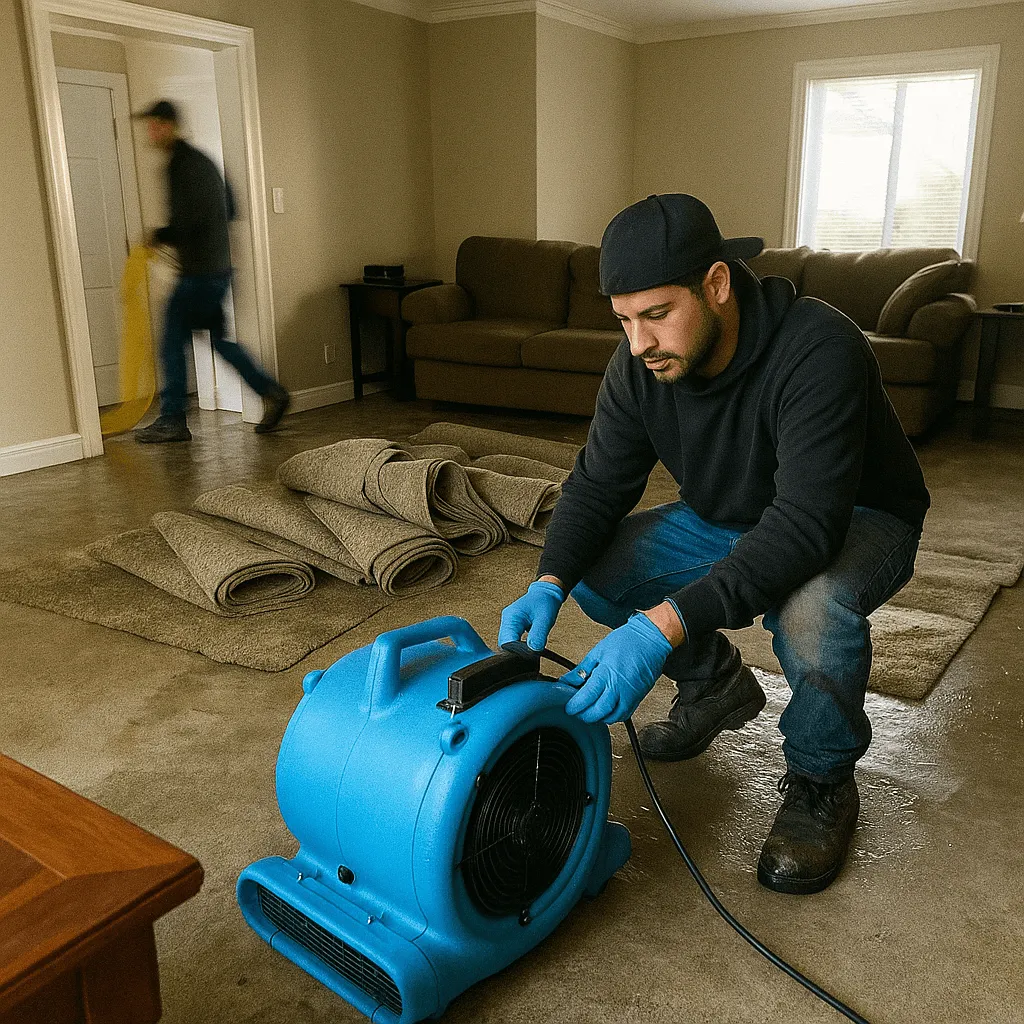
Step 3: Dry the Area
Open windows, run fans, and use a dehumidifier to begin drying the space.
Moisture that lingers in walls, floors, and ceilings can lead to mold growth.
Effective drying requires:
Multiple fans create air circulation.
Dehumidifiers remove moisture from the air.
Opening cabinets and closets
Removing wet materials prevents drying.
Step 4: Assess the Damage
Once the area is dry, take stock of the flooring, drywall, insulation, and your personal belongings.
Document everything with:
Photographs from multiple angles
Video walkthroughs
Written damage inventory
Moisture readings, if available
This documentation supports insurance claims.
Step 5: Professional Repairs
A professional water remediation team replaces or repairs any damaged materials.
This could range from:
Patching drywall
Replacing flooring
Repairing foundation cracks
Removing mold growth
Replacing insulation
Restoring structural components
Step 6: Fix the Root Cause
Your remediation specialist also locates and repairs the water's original entry point.
This ensures the water does not come back.
When to Call a Professional for Water Intrusion Repair
You may be able to repair small water leaks on your own, like caulking a minor gap around a window or cleaning out a clogged downspout.
However, many water intrusion situations need professional intervention.
Why Professional Help Matters
Water has a way of traveling far from its original entry point, saturating materials along the way.
This damage is not always visible to the untrained eye.
A water remediation specialist brings the right tools, training, and experience to the job. They locate the source of the water damage and fix it.
You Should Always Call a Professional When:
The water leakage keeps happening - Recurring problems indicate unresolved sources
You have contaminated water or sewage - Category 2 or 3 water requires professional handling
You notice mold growth - Extensive mold demands professional remediation
The affected area is large - Multiple rooms indicate widespread damage
Water entered from an unknown source - Professional detection equipment needed
Structural damage is visible - Compromised integrity requires expert assessment
Electrical systems are affected - Safety hazards demand professional intervention
Why Choose 77 Rapid Restore
77 Rapid Restore's trained technicians have direct experience handling water intrusion repair throughout Los Angeles County.
Our Comprehensive Services Include:
✓ 24/7 Emergency Response - Immediate assistance when water intrusion strikes
✓ Advanced Moisture Detection - Thermal imaging and moisture meters find hidden water
✓ Industrial Water Extraction - Powerful equipment removing standing water
✓ Commercial Structural Drying - Professional dehumidifiers and air movers
✓ Mold Prevention and Remediation - Complete contamination control
✓ Source Identification and Repair - Fixing root causes, preventing recurrence
✓ Complete Restoration - Repairs from water damage through final reconstruction
✓ Insurance Coordination - Documentation and claims support
Service Areas: Van Nuys, Sherman Oaks, North Hollywood, Encino, Burbank, Glendale, Pasadena, and all of Greater Los Angeles.
Location: 7430 Valjean Ave, Van Nuys, CA 91406
Tips to Prevent Water Intrusion
You cannot go back in time and fix the cause of your water penetration, but you can ensure it never happens again.
Once you have fixed the problem, your next goal should be prevention.
Preventive maintenance includes:
Inspect your roof annually - Check after major storms for damage
Clean gutters and downspouts twice yearly - More often if surrounded by trees
Check window and door seals regularly - Replace caulk as needed
Review your water bill monthly - Unexplained increases signal hidden leaks
Fix small foundation cracks promptly - Before they become bigger problems
Maintain proper grading - Ensure soil slopes away from the foundation
Test sump pumps before the rainy season - Ensure proper function
Inspect plumbing regularly - Catch leaks before major damage
Monitor HVAC condensation - Clean drain lines, preventing overflow
Seal exterior penetrations - Maintain caulking around pipes, vents, utilities
Regular home maintenance is the best way to keep water outside where it belongs.
Frequently Asked Questions
How much does water intrusion repair cost?
Water intrusion repair costs vary widely depending on the source, severity, and extent of damage. Factors affecting cost include affected area size, damage extent, required repairs, and whether mold remediation is needed. Contact 77 Rapid Restore for an accurate assessment and transparent pricing.
Does homeowners' insurance cover water intrusion?
Your homeowners' insurance policy may cover water damage, but coverage depends on the intrusion source and your policy specifics. Sudden, accidental water damage is typically covered, while gradual leaks or flooding from outside often require separate coverage. Check with your insurance agent to learn about your policy. 77 Rapid Restore provides documentation supporting insurance claims.
How do I stop water intrusion?
The way to stop water from getting into your home is to identify the source and seal the entry point. That could be a foundation crack, damaged roof, or worn-out window seal. A professional assessment is the best way to find and fix your water intrusion issue. 77 Rapid Restore provides comprehensive inspections, identifying all water entry points.
How long does water intrusion repair take?
Repair timelines depend on the extent of damage. Minor repairs may take a few days, while extensive damage requiring mold remediation and reconstruction can take weeks. Professional assessment provides accurate timelines for your specific situation.
Can I handle water intrusion repair myself?
Small issues like caulking gaps may be DIY-friendly, but most water intrusion situations require professional intervention. Hidden moisture, structural concerns, and mold risks make professional restoration the safer, more effective choice for significant water intrusion.
Get Professional Water Intrusion Repair Now
Water intrusion is not a problem that fixes itself. The longer you wait, the worse the damage becomes.
77 Rapid Restore provides expert water intrusion repair services throughout Los Angeles County, protecting your property and your family's health.
Contact us today or visit our Google Business Profile for a professional consultation.
Available 24/7 for emergency water intrusion repair throughout Greater Los Angeles.

OUR SERVICES
Frequently Asked Questions
1. What types of damage restoration services do you provide?
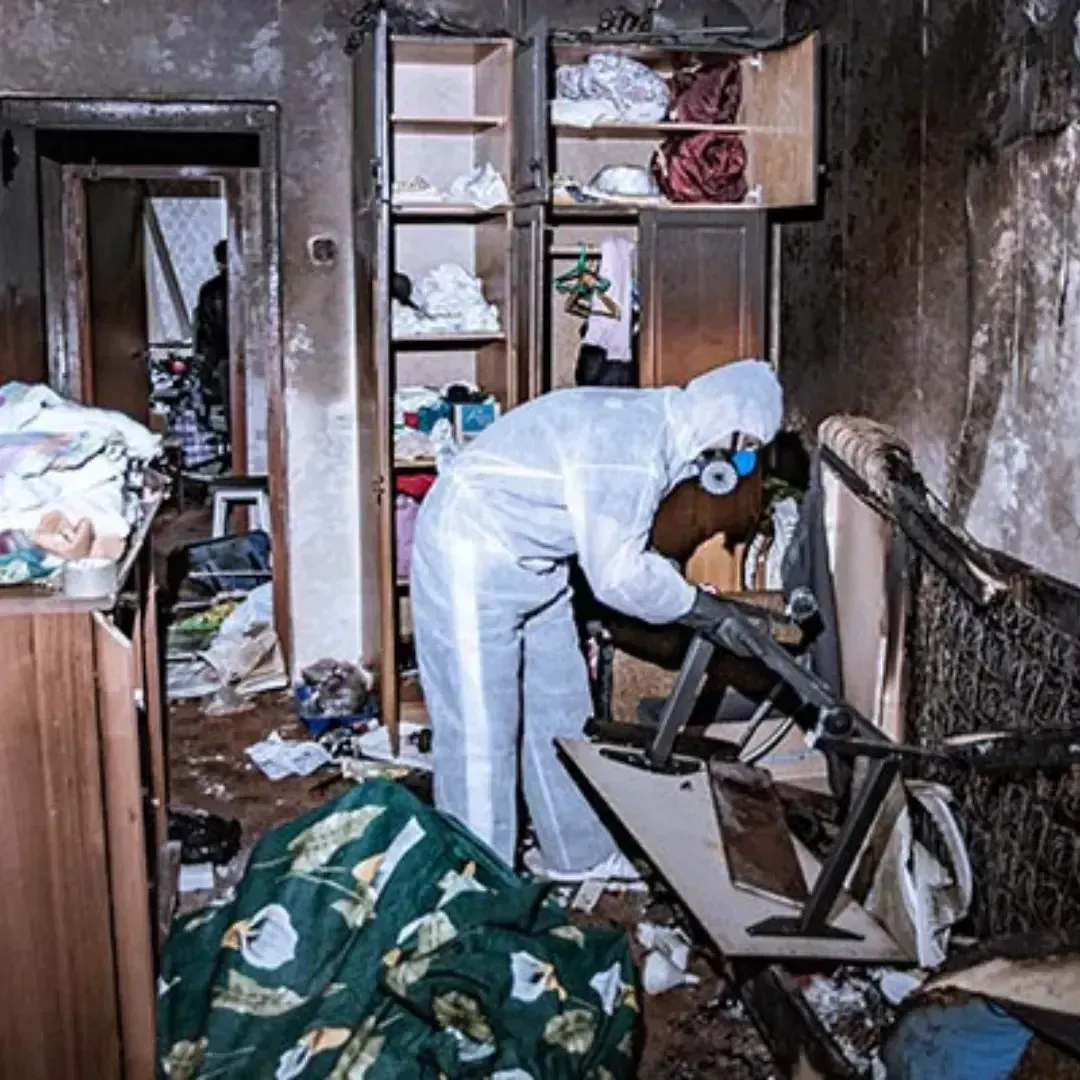
We specialize in water damage, fire and smoke restoration and biohazard cleanup for both homes and businesses.
2. How quickly can your team respond in an emergency?
We offer 24/7 emergency response and aim to be on-site within 60 minutes or less, depending on your location.
3. Do you work with insurance companies?
Yes, we work directly with most major insurance carriers to simplify the claims process for you.
4. Can fire and smoke odors be fully removed?
Absolutely. We use advanced cleaning methods, air scrubbers, and deodorization techniques to eliminate smoke odors completely.
5. What should I do first if I have water damage?
Turn off the water source if possible, then contact us right away. The sooner we begin water extraction and drying, the less damage your property will suffer.
6. How long does restoration usually take?
It depends on the extent of the damage. Minor water jobs may take 1–3 days, while large fire or remediation projects can take a week or more.
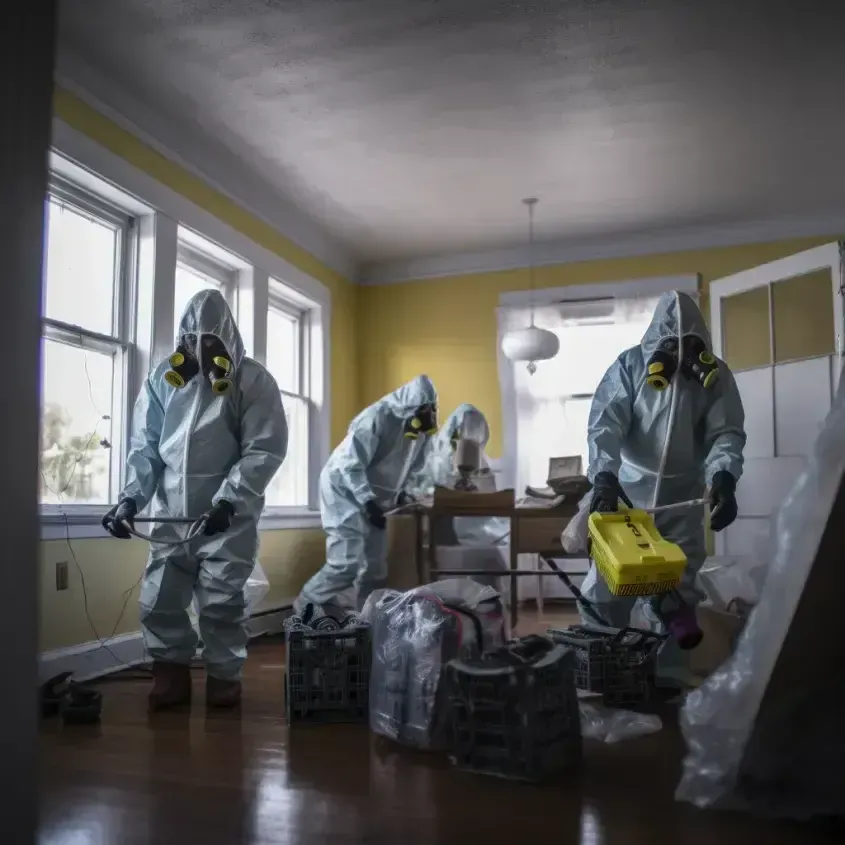
7. What is biohazard cleanup?
Biohazard cleanup includes the safe removal of dangerous substances such as blood, bodily fluids, or hazardous materials. We follow strict safety protocols to protect your health.
8. Do you offer both residential and commercial restoration services?
Yes, we provide full restoration services for homes, offices, schools, retail spaces, and other commercial buildings.
9. Why should I choose your company for restoration?
We combine years of experience, state-of-the-art equipment, and a commitment to customer satisfaction. Plus, we’re available 24/7 to restore your property quickly and safely.
GET IN TOUCH
We’re Ready to Restore Your Home or Business.
Whether it’s water damage from a burst pipe, dangerous fire and smoke damage, or hazardous cleanup, our restoration specialists are here to help.
Fill out the form, and our team will reach out quickly to assess your situation, explain your options, and provide a safe, fast, and effective solution to restore your home or business back to normal.
Office Location
Van Nuys, Los Angeles California 91406
We provide fast, reliable restoration for water, fire and biohazard damage—bringing your property back to normal.
Contact Now
Office Location
Van Nuys, Los Angeles California 91406
Reach Out To Us
Follow Us


