



Anytime Call
Drop Email Us
Office Location
Van Nuys, Los Angeles California 91406
Restoration Tips, Guides & Expert Advice
Home Restoration Blog & Resources
Explore practical tips, prevention guides, and expert insights on protecting your home from damage. Our blog helps homeowners understand common issues, avoid costly mistakes, and make informed decisions when restoration is needed.
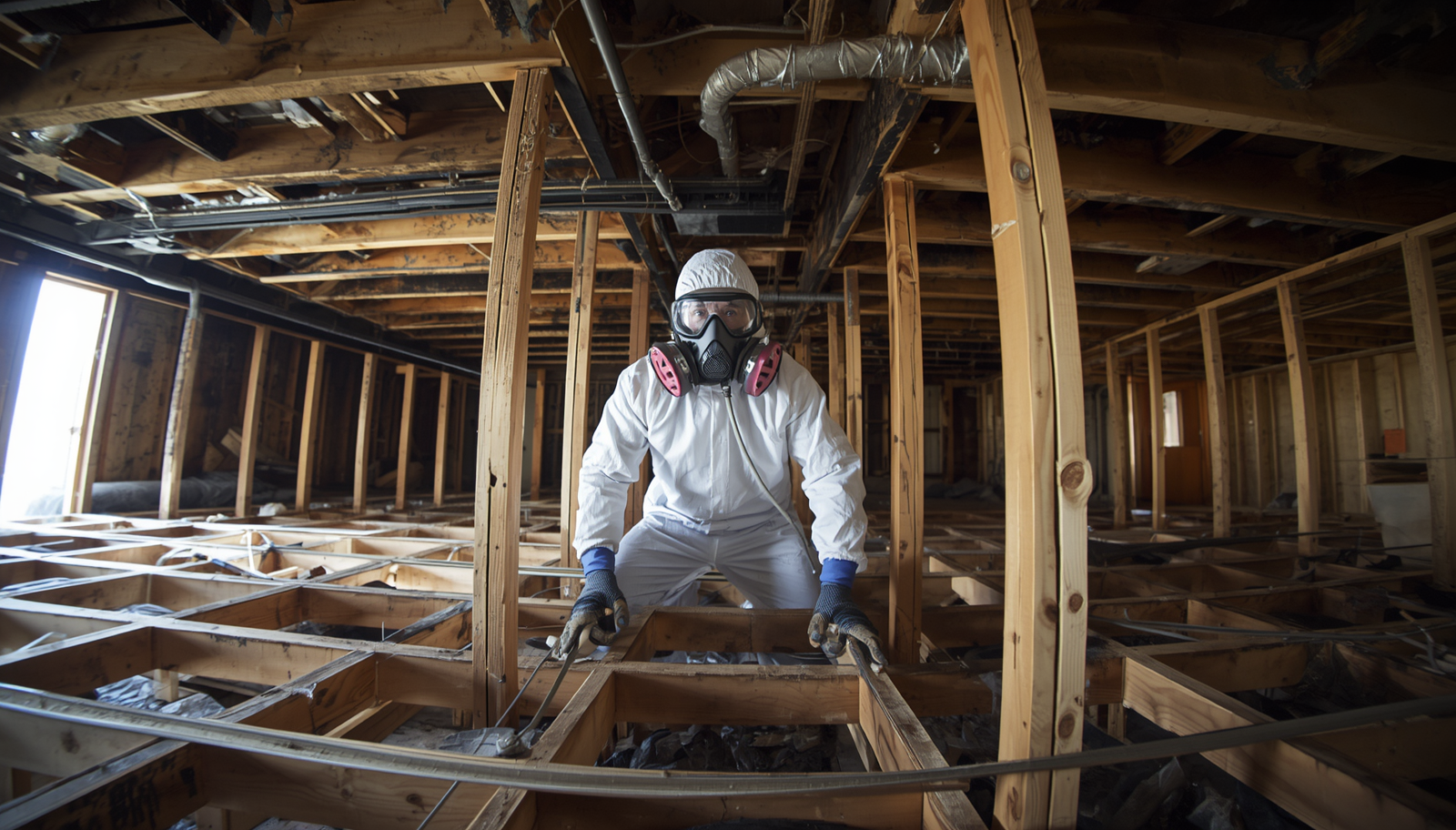
What is Crawlspace Encapsulation?
TLDR: Too Long, Don't Read
Crawlspace encapsulation seals crawl spaces with heavy-duty vapor barriers and protective materials. The process controls moisture, prevents mold growth, improves energy efficiency, deters pests, and protects structural integrity. Benefits include better indoor air quality, lower energy bills, reduced mold risks, pest prevention, and increased property value. Professional installation involves assessment, preparation, vapor barrier installation, insulation, dehumidifier setup, and sealing all vents and access points. Costs vary based on crawlspace size, existing damage, materials quality, and additional features needed. This smart investment protects Los Angeles properties from moisture damage common in varying climate conditions.
Crawlspaces may not be the most glamorous part of your home or business, but they play a crucial role in ensuring the safety and longevity of your property.
While they help you access utilities and support your entire property structure, crawlspaces remain vulnerable to various issues.
When left untreated, problems such as mold and pest infestations can lead to costly damage spreading throughout your property.
There are plenty of long-term and short-term solutions for managing your crawlspace. One of the most effective is crawlspace encapsulation.
When done right, it can be a smart solution for protecting your crawlspaces and, by extension, your entire property.
Before you ask a professional to encapsulate your crawlspace, it is important to know the process, its benefits, and its potential long-term effects on your property.
Here is a comprehensive overview of what Los Angeles property owners should know before installing crawlspace encapsulation.
For professional crawlspace encapsulation services throughout Greater Los Angeles, visit our Google Business Profile or contact 77 Rapid Restore for expert assessment and installation.
What Is a Crawlspace?
Crawlspaces are narrow spaces beneath your property extending from the ground.
True to its name, the crawlspace is too low to stand in. Someone who needs to access the area must crawl. A crawlspace differs from a basement, especially regarding the space's height.
Typical crawlspace characteristics:
Height - Usually 18 to 48 inches tall
Access - Entry through small doors or hatches
Flooring - Often bare earth or concrete
Construction - Support posts and floor joists visible
Location - Between ground level and first floor
Crawlspace Purposes
Crawlspaces serve different important functions:
Access to Utilities
Crawlspaces provide access to plumbing pipes, electrical wiring, and heating or cooling ducts.
Technicians conducting maintenance or repairs must access these utilities through the crawlspace. This design allows service without extensive demolition or disruption to living spaces.
Common utilities in crawlspaces:
Water supply lines
Drain pipes
Electrical wiring and junction boxes
HVAC ductwork
Gas lines
Insulation between floor joists
Ventilation
Crawlspaces help with air circulation under your house.
Good ventilation helps prevent moisture buildup, which can lead to problems such as water damage or mold and mildew growth.
However, modern encapsulation approaches often seal crawlspaces rather than venting them, creating controlled environments that better manage moisture.
Structural Support
Crawlspaces support your house. They help distribute the structure's weight evenly.
Additionally, they serve as a buffer against:
Soil shifting
Ground settling
Seismic movement
Moisture from ground
Los Angeles Construction Patterns
Not all properties have crawlspaces.
Depending on factors such as your area's climate and ground stability, your property may have a basement or concrete slab foundation instead.
Los Angeles area construction typically features:
Crawlspace foundations - Common in older neighborhoods throughout Van Nuys, Sherman Oaks, North Hollywood
Slab foundations - More common in newer construction and valley areas
Hillside construction - Often includes crawlspaces due to terrain
Raised foundations - Post-and-pier or stem wall construction creating crawlspace access
Many Los Angeles homes built before the 1970s feature crawlspace construction requiring ongoing maintenance and potential encapsulation.
What Is Crawlspace Encapsulation?
Excess moisture, poor ventilation, pests, and inefficient insulation can damage crawlspaces.
Over time, these can lead to more damaging issues:
Mold growth
Wood rot
Structural deterioration
Pest infestations
Indoor air quality problems
This is why it is important to protect your crawlspace from external factors.
The Encapsulation Process Explained
Crawlspace encapsulation is a way to protect your crawlspace from outside factors.
The process seals your crawlspace with a protective layer of heavy-duty materials.
This barrier can:
Reduce humidity
Prevent moisture intrusion
Deter mold growth
Block pest entry
Improve energy efficiency
Sealing your crawlspace through encapsulation addresses moisture control, insulation, and pest prevention to keep your crawlspace and property in top shape.
Key Components of Encapsulation
Vapor barriers - Heavy-duty polyethylene sheeting (typically 12-20 mil thickness)
Wall coverage - Barriers extending up foundation walls
Floor coverage - Complete ground coverage preventing moisture wicking
Seam sealing - All joints taped or sealed preventing gaps
Vent sealing - Closing existing foundation vents
Insulation - Often spray foam on walls or band joists
Dehumidification - Climate control systems maintaining proper humidity
Access sealing - Airtight crawlspace doors
Benefits of Crawlspace Encapsulation
Crawlspace encapsulation is a popular method of protecting crawlspaces throughout Los Angeles County.
Key benefits include:
1. Moisture Control
By sealing off your crawlspace, you are keeping moisture from the ground at bay.
Excess moisture can lead to problems such as:
Mold growth
Wood rot
Structural damage
Musty odors
Foundation deterioration
Encapsulation helps maintain a dry, healthy environment in your home.
Los Angeles moisture challenges:
While Southern California has a generally dry climate, moisture problems still occur from:
Winter rainfall
Coastal humidity in areas near ocean
Irrigation water
Plumbing leaks
Groundwater seepage
Poor drainage around foundations
Encapsulation creates barriers preventing these moisture sources from affecting your home.
2. Improved Indoor Air Quality
A dark, damp, untreated crawlspace can be a good breeding ground for mold and mildew.
Encapsulating your crawlspace keeps moisture out, preventing mold and mildew growth.
This helps improve air quality through:
Fewer allergens circulating in home
Less musty odors
Reduced mold spore presence
Better breathing environment
Healthier living conditions for families
Studies show up to 50% of air in homes comes from crawlspaces. Protecting this space directly impacts the air you breathe.
3. Energy Efficiency
A properly encapsulated crawlspace can help improve your home's energy efficiency.
By sealing off drafts and adding insulation, you are:
Reducing HVAC system workload
Lowering energy bills
Maintaining more consistent temperatures
Preventing conditioned air loss
Reducing heating and cooling cycles
Los Angeles energy considerations:
Summer heat in the San Fernando Valley stresses air conditioning systems. Encapsulation prevents cool air loss through floors, reducing energy consumption.
Winter temperatures, while mild, still benefit from better insulation preventing heat loss.
Typical energy savings range from 15 to 20% on heating and cooling costs.
4. Pest Management
Rodents and insects are attracted to untreated crawlspaces because they offer necessities to thrive and potential locations to access your property.
Common crawlspace pests in Los Angeles:
Rats and mice
Termites
Ants
Spiders
Snakes
Opossums
Raccoons
Encapsulation creates a barrier that keeps them out and prevents damage to insulation and wiring.
Sealed crawlspaces eliminate:
Entry points for pests
Nesting materials
Moisture attracting insects
Food sources
Protected hiding spaces
5. Increased Property Value
A properly encapsulated crawlspace can increase the value of your property by protecting it from moisture-related damage and improving its overall condition.
Crawlspace encapsulation signals to potential buyers that:
The property was well cared for
Major systems are protected
Energy efficiency is optimized
Health hazards are minimized
Structural integrity is maintained
In Los Angeles's competitive real estate market, properly maintained crawlspaces provide selling advantages.
6. Structural Protection
Beyond immediate benefits, encapsulation protects long-term structural integrity:
Wood preservation - Prevents rot in floor joists and beams
Foundation protection - Reduces moisture-related cracking
Metal protection - Prevents rust on support posts and hardware
Concrete preservation - Reduces efflorescence and deterioration
This protection proves especially valuable in older Los Angeles homes where original structural components require preservation.
How Is Crawlspace Encapsulation Constructed?
Crawlspace encapsulation is best handled by professionals to ensure your crawlspaces are properly sealed.
While specifics may vary depending on your property's structure and existing needs, the general process typically involves these steps:
Step 1: Professional Assessment
A professional technician will assess your crawlspace condition and identify existing issues.
Assessment includes:
Moisture testing - Measuring humidity levels and moisture content
Structural inspection - Examining joists, posts, and foundation
Pest evaluation - Looking for signs of infestations
Ventilation review - Checking existing vent configuration
Plumbing inspection - Identifying leaks or concerns
Insulation assessment - Evaluating current insulation condition
Access evaluation - Determining entry and work access
These issues need addressing before encapsulation can proceed effectively.
Step 2: Preparation
The technician will clear out any debris or obstructions from the crawlspace and address any existing issues.
Preparation work includes:
Debris removal - Clearing trash, old insulation, stored items
Water damage remediation - Addressing any moisture damage
Mold remediation - Removing existing mold growth safely
Pest exclusion - Sealing entry points and removing infestations
Plumbing repairs - Fixing any leaks detected
Grading work - Ensuring proper drainage away from foundation
Vapor barrier removal - Taking out old, damaged barriers
This preparation ensures encapsulation installs on clean, dry, sound surfaces.
Step 3: Vapor Barrier Installation
Heavy-duty vapor barriers or plastic sheeting seal the crawlspace from the outside environment.
Installation process:
Floor coverage - Laying 12-20 mil polyethylene across entire ground surface
Wall coverage - Extending barriers up foundation walls (typically 6-8 inches)
Overlap sealing - Taping all seams with specialized tape
Pier wrapping - Sealing around support posts
Penetration sealing - Addressing pipes and utilities passing through
Edge securing - Fastening barriers to walls and posts
Step 4: Insulation and Climate Control
Additional materials enhance encapsulation performance.
Common additions:
Spray foam insulation - Applied to walls and rim joists
Rigid foam boards - Installed on foundation walls
Dehumidifiers - Maintaining optimal humidity (30-50%)
Sump pumps - If groundwater intrusion is a concern
These components work together creating controlled environments.
Step 5: Finishing Touches
To provide additional layers of protection, technicians conduct final work.
Final steps include:
Sealing foundation vents - Closing off exterior vents permanently
Installing airtight doors - Upgrading crawlspace access points
Drainage improvements - Ensuring proper water management
Monitoring equipment - Installing humidity sensors or alarms
Final inspection - Verifying all seals and installations
Documentation - Providing homeowners with maintenance guidelines
How Much Does Crawlspace Encapsulation Cost?
The cost of crawlspace encapsulation can vary depending on various factors.
These include:
Crawlspace Size
The size of your crawlspace is a significant factor in determining overall cost.
Larger crawlspaces require more materials and labor, resulting in higher costs.
Typical pricing:
Small crawlspace (500-800 sq ft): $3,000 - $6,000
Medium crawlspace (800-1,500 sq ft): $6,000 - $10,000
Large crawlspace (1,500+ sq ft): $10,000 - $15,000+
Existing Issues
If your crawlspace has existing issues, these need addressing before encapsulation.
Issues requiring remediation:
Moisture damage
Mold growth
Pest infestations
Structural repairs
Plumbing leaks
Remediation costs add $1,000 to $5,000+ depending on severity.
Materials Used
The type and quality of materials affect cost.
Material options:
Basic vapor barriers (6-10 mil) - Lower cost but less durable
Premium barriers (12-20 mil) - Higher cost, better performance
Reinforced barriers - Highest cost, maximum durability
Higher-quality materials may have higher price tags but generally offer better durability and performance over time.
Additional Features
Depending on your crawlspace's specific needs, additional features may be necessary.
Optional upgrades:
Dehumidifiers - $1,200 - $2,500 installed
Sump pumps - $800 - $2,000 installed
Spray foam insulation - $1.50 - $3.00 per square foot
Drainage systems - $1,000 - $5,000
Pest control services - $300 - $1,000
These additional features increase overall encapsulation cost but provide enhanced protection.
Accessibility
The accessibility of your crawlspace impacts cost.
If your crawlspace:
Is difficult to access
Requires special equipment
Has low clearance
Needs extensive preparation
Labor costs may increase 20-40%.
Location
Labor and material costs vary depending on your location and local market conditions.
Los Angeles area considerations:
Urban areas like Van Nuys, Sherman Oaks, and North Hollywood may have higher labor costs than rural areas.
Additionally, your area's climate and ground conditions can affect how labor-intensive the process becomes.
Southern California's generally dry climate may require less extensive drainage work than wetter regions, potentially reducing costs.
Investment Value
On average, you can expect to pay anywhere from $5,000 to $15,000 for complete encapsulation.
While it may seem like a significant investment upfront, the long-term benefits make it worthwhile:
Return on investment includes:
Annual energy savings: $200 - $500
Prevented structural damage: Thousands in avoided repairs
Improved property value: 5-10% increase potential
Health benefits: Reduced medical costs from mold exposure
Extended HVAC lifespan: Years of additional equipment life
Most homeowners recover encapsulation costs within 10-15 years through energy savings alone.
Maintenance After Encapsulation
Properly encapsulated crawlspaces require minimal maintenance:
Annual inspections - Check for tears or damage to vapor barriers
Dehumidifier maintenance - Empty collection tanks, replace filters
Monitor humidity - Ensure levels stay between 30-50%
Check seals - Verify vent covers and access doors remain sealed
Drainage inspection - Ensure water management systems function properly
Los Angeles-Specific Considerations
Southern California crawlspaces face unique challenges:
Seismic activity - Earthquakes can shift barriers requiring inspection
Dry soil conditions - Ground movement from drought affects foundations
Wildfire smoke - Encapsulation helps prevent smoke infiltration
Santa Ana winds - Sealed crawlspaces prevent dust and debris intrusion
Winter storms - Proper encapsulation handles occasional heavy rainfall
Professional installation accounts for these regional factors ensuring appropriate protection.
Call 77 Rapid Restore for Professional Crawlspace Encapsulation Services
Crawlspace encapsulation is a smart investment for protecting your Los Angeles property.
By sealing off your crawlspace and addressing issues like moisture control and insulation, you are protecting your home from potential damage and creating a healthier, more comfortable living environment.
77 Rapid Restore is a trusted name for property restoration services, including crawlspace encapsulation.
Our Crawlspace Services Include:
✓ Professional Assessment - Complete crawlspace evaluation
✓ Moisture Remediation - Addressing existing water damage
✓ Mold Removal - Safe, complete mold remediation
✓ Vapor Barrier Installation - Premium materials and expert installation
✓ Insulation Services - Spray foam and rigid board options
✓ Dehumidifier Installation - Climate control systems
✓ Pest Exclusion - Sealing entry points
✓ Drainage Solutions - Proper water management
✓ Ongoing Support - Maintenance guidance and inspections
Service Areas: Van Nuys, Sherman Oaks, North Hollywood, Encino, Burbank, Glendale, Pasadena, and all of Greater Los Angeles.
Location: 7430 Valjean Ave, Van Nuys, CA 91406
Protect Your Property With Professional Encapsulation
Contact your local 77 Rapid Restore team or visit our Google Business Profile to schedule a consultation.
Our qualified technicians provide reliable crawlspace encapsulation solutions for residential and commercial properties throughout Los Angeles County.

OUR SERVICES
Frequently Asked Questions
1. What types of damage restoration services do you provide?
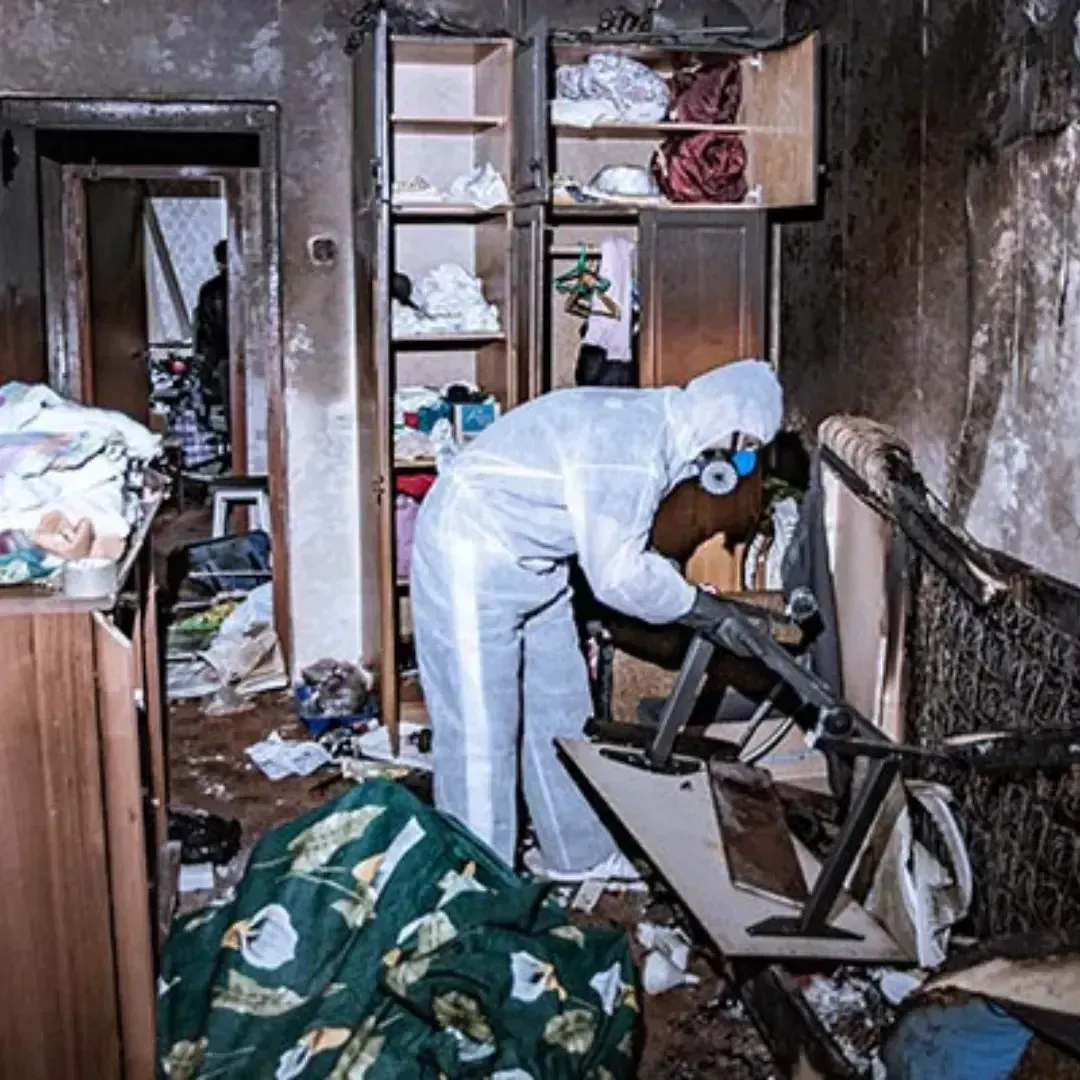
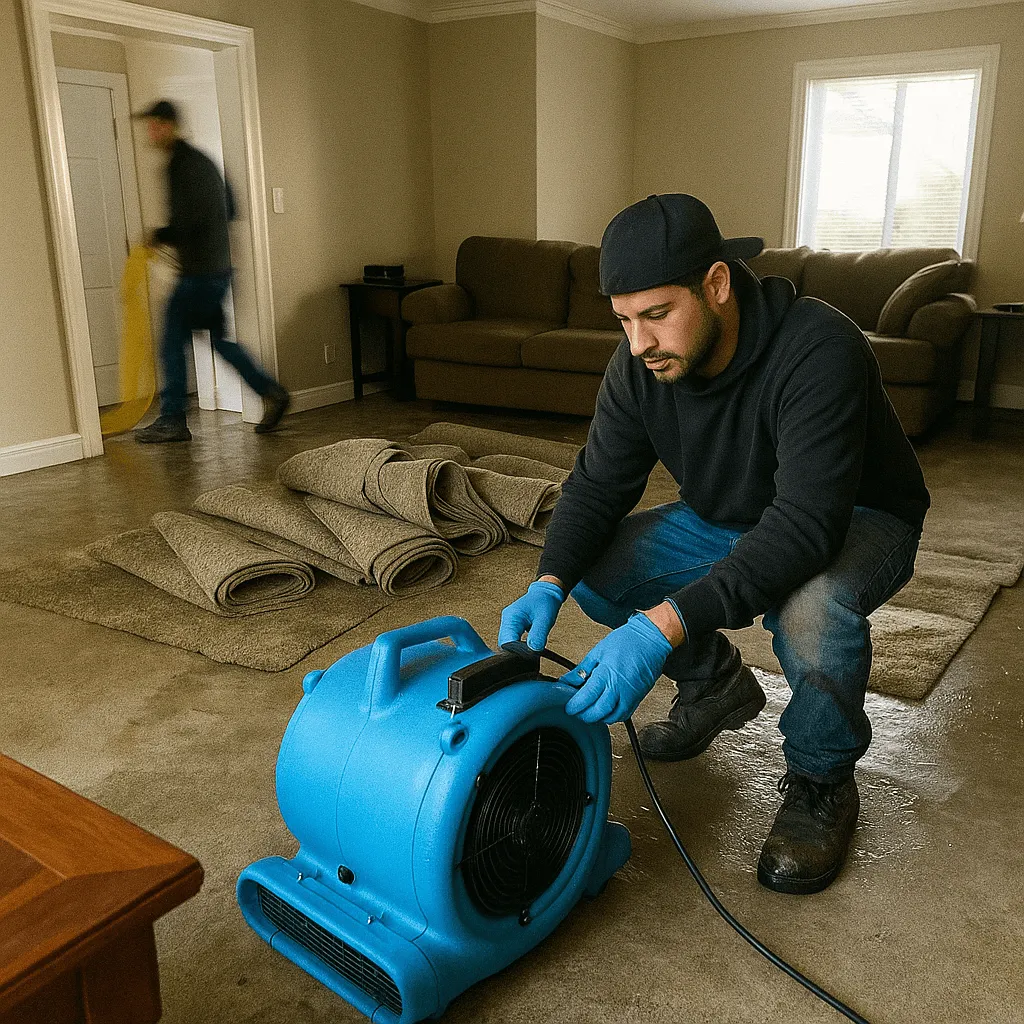
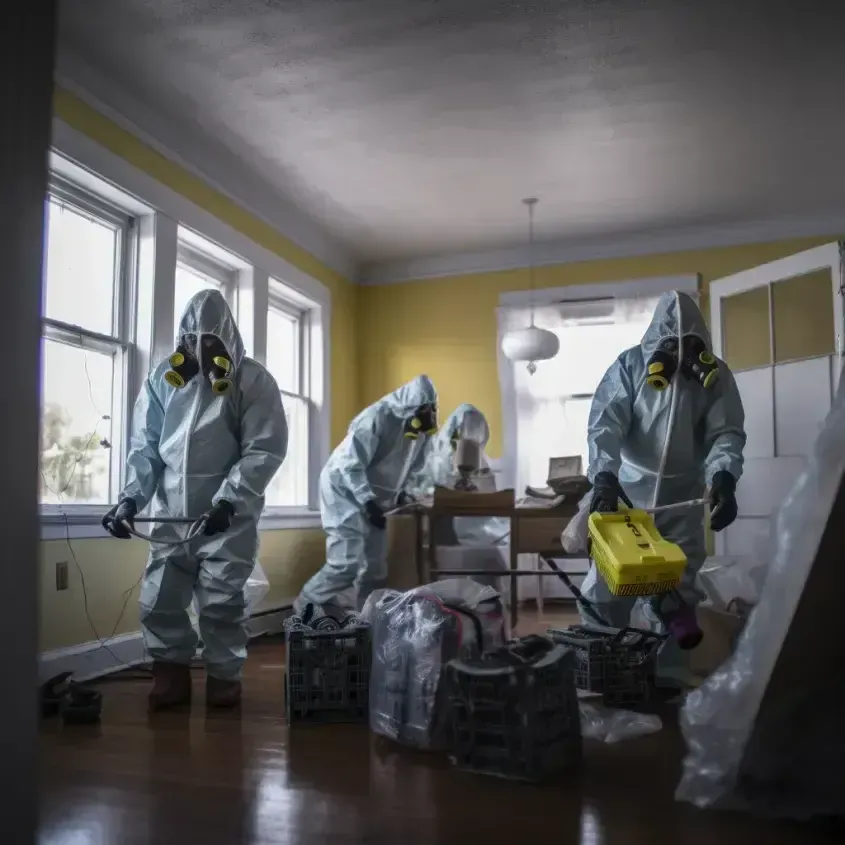
We specialize in water damage, fire and smoke restoration and biohazard cleanup for both homes and businesses.
2. How quickly can your team respond in an emergency?
We offer 24/7 emergency response and aim to be on-site within 60 minutes or less, depending on your location.
3. Do you work with insurance companies?
Yes, we work directly with most major insurance carriers to simplify the claims process for you.
4. Can fire and smoke odors be fully removed?
Absolutely. We use advanced cleaning methods, air scrubbers, and deodorization techniques to eliminate smoke odors completely.
5. What should I do first if I have water damage?
Turn off the water source if possible, then contact us right away. The sooner we begin water extraction and drying, the less damage your property will suffer.
6. How long does restoration usually take?
It depends on the extent of the damage. Minor water jobs may take 1–3 days, while large fire or remediation projects can take a week or more.
7. What is biohazard cleanup?
Biohazard cleanup includes the safe removal of dangerous substances such as blood, bodily fluids, or hazardous materials. We follow strict safety protocols to protect your health.
8. Do you offer both residential and commercial restoration services?
Yes, we provide full restoration services for homes, offices, schools, retail spaces, and other commercial buildings.
9. Why should I choose your company for restoration?
We combine years of experience, state-of-the-art equipment, and a commitment to customer satisfaction. Plus, we’re available 24/7 to restore your property quickly and safely.
GET IN TOUCH
We’re Ready to Restore Your Home or Business.
Whether it’s water damage from a burst pipe, dangerous fire and smoke damage, or hazardous cleanup, our restoration specialists are here to help.
Fill out the form, and our team will reach out quickly to assess your situation, explain your options, and provide a safe, fast, and effective solution to restore your home or business back to normal.
Office Location
Van Nuys, Los Angeles California 91406
We provide fast, reliable restoration for water, fire and biohazard damage—bringing your property back to normal.
Contact Now
Office Location
Van Nuys, Los Angeles California 91406
Reach Out To Us
Follow Us


