

Anytime Call
Drop Email Us
Office Location
Serving Los Angeles, CA & Nearby Areas
Restoration Tips, Guides & Expert Advice
Home Restoration Blog & Resources
Explore practical tips, prevention guides, and expert insights on protecting your home from damage. Our blog helps homeowners understand common issues, avoid costly mistakes, and make informed decisions when restoration is needed.
How to Clean Soot Off Walls Without Making the Damage Worse
TLDR: Too Long, Don't Read
If you are wondering how to clean soot off walls, start carefully and avoid aggressive scrubbing. Soot can smear, stain, and damage paint, drywall, and other surfaces if cleaned incorrectly. Dry cleaning methods, proper safety gear, and surface-specific techniques are essential. For heavy residue, widespread damage, or strong smoke odor, professional fire damage restoration is usually the best next step.
After a fire, one of the first things homeowners notice is the black, dusty residue left behind on walls and ceilings.
It is natural to want to start scrubbing right away. But when it comes to how to clean soot off walls, the wrong method can make the damage worse.
Soot is not like regular dirt. It is oily, acidic, and extremely easy to smear deeper into surfaces.
Knowing when DIY soot removal is appropriate and when professional smoke soot cleanup is the safer choice can help protect your home from further damage.
At 77 Rapid Restore, we help Los Angeles homeowners recover from fire damage with professional cleaning, odor removal, and restoration services that address both visible damage and hidden contamination.
For immediate professional fire damage restoration throughout Greater Los Angeles, visit our Google Business Profile or contact 77 Rapid Restore now for 24/7 emergency response.
Why Soot Is So Difficult to Clean
Soot is made up of tiny particles created by incomplete combustion during a fire. These particles often contain acids, chemicals, and oily residue that cling tightly to surfaces.
That means soot can:
Stain paint and drywall - Acidic compounds etch surfaces creating permanent discoloration
Damage finishes - Chemical residues corrode protective coatings
Spread easily when touched - Oily particles smear across surfaces
Leave behind strong smoke odor - Odor molecules embed deep in materials
Affect indoor air quality - Airborne particles create health concerns
This is why smoke soot cleanup requires a careful approach.
Aggressive cleaning without proper techniques often pushes contamination deeper, creating problems that require professional remediation to fix.
Safety First: Before You Start Soot Removal
Before trying any DIY cleaning, protect yourself from exposure to toxic residues.
Wear Proper Safety Gear
Required protection:
Gloves - Rubber or nitrile gloves preventing skin contact
Safety goggles - Eye protection from airborne particles
Long-sleeve shirt and long pants - Full skin coverage
N95 mask or respirator - Respiratory protection (respirator preferred)
Soot particles can irritate your skin, eyes, and lungs. Some fires create toxic residues requiring even more protective equipment.
Make Sure the Area Is Safe
Do not start cleaning if:
The structure may be unstable - Fire weakens structural components creating collapse risks
There is electrical damage nearby - Live wires create electrocution hazards
Wet or damaged drywall is crumbling - Compromised materials pose safety concerns
The fire department or restoration team has not cleared the area - Official clearance ensures safety
If there is any doubt about safety, stop and call a professional.
Never risk injury attempting cleanup in hazardous conditions.
How to Clean Soot Off Walls: Start With the Right Method
The biggest mistake homeowners make is scrubbing soot with water right away.
What NOT to Do
Avoid these common errors:
❌ Scrubbing soot with a wet rag - This smears oily residue creating permanent staining
❌ Using harsh household cleaners first - Wrong pH damages surfaces without removing soot
❌ Pressing soot deeper into paint or drywall - Aggressive scrubbing embeds contamination
❌ Vacuuming without a HEPA filter - Standard vacuums spread fine particles throughout your home
❌ Using colored towels - Dye can transfer onto walls creating additional staining
Wet cleaning too soon can turn dry soot into a smeared stain that is much harder to remove.
Always start with dry cleaning methods.
Surface-Specific Guidance for Soot Removal
Not all walls should be cleaned the same way. The right method depends on the material and finish.
Painted Walls
Painted drywall is one of the most common surfaces affected by soot throughout Los Angeles homes.
Best approach:
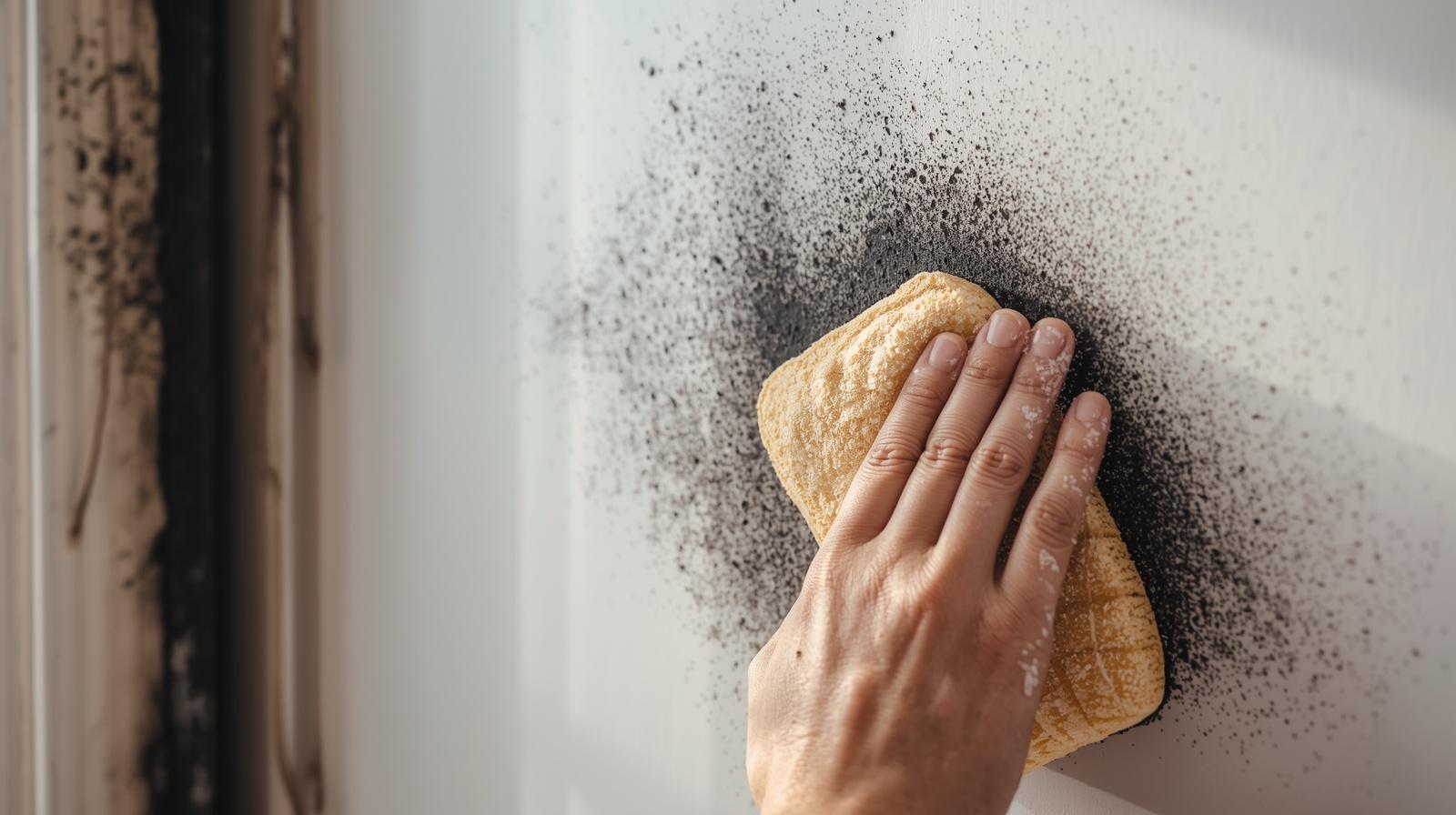
Step 1: Use a dry-cleaning sponge (often called a chemical sponge) to gently wipe soot from the wall
Step 2: Work in straight lines rather than circles preventing smearing
Step 3: Start at the top and move downward so falling particles do not recontaminate cleaned areas
Step 4: Replace or trim the sponge as it gets dirty
Step 5: Only after dry soot is removed, test a mild cleaning solution in a small hidden area
Important considerations:
Be careful with flat paint, which stains and smears more easily than semi-gloss or satin finishes.
Older homes in Van Nuys, Sherman Oaks, and North Hollywood may have lead-based paint requiring special handling.
Unpainted Drywall
Unpainted drywall is highly porous and absorbs soot quickly.
Reality check:
In many cases, heavy soot on unpainted drywall cannot be fully cleaned and may require removal and replacement.
DIY cleaning often pushes the residue deeper into the material without improving appearance.
Professional assessment determines whether cleaning is viable or replacement is necessary.
Wallpapered Walls
Wallpaper can be delicate and may lift, bubble, or stain during cleaning.
For wallpaper:
Use dry methods first - Dry-cleaning sponges are safest
Avoid soaking the surface - Moisture loosens adhesive
Stop immediately if paper begins peeling or discoloring - Further cleaning creates permanent damage
Test in hidden area first - Check color-fastness before proceeding
Many wallpapers cannot withstand soot cleaning and require replacement.
Brick, Stone, or Concrete Walls
These surfaces are more durable, but they are also porous.
You may be able to clean them with:
A dry sponge first removing loose surface contamination
A mild cleaner after loose soot is removed using pH-appropriate products
Gentle blotting instead of aggressive scrubbing preventing deep penetration
If soot has penetrated deeply, professional cleaning may still be needed.
Porous masonry absorbs soot into surface texture making complete DIY removal difficult.
Wood Paneling or Finished Wood
Wood surfaces can absorb smoke residue and odor.
Use caution because:
Water can damage finishes - Moisture raises grain and damages protective coatings
Soot can get trapped in grain patterns - Textured surfaces hold contamination
Incorrect products can strip protective coatings - Harsh cleaners remove finishes
A restoration professional may be needed for delicate wood finishes or heavy smoke damage.
Antique or historic wood in older Los Angeles homes requires specialized cleaning approaches.
Basic DIY Soot Removal Steps
If the damage is minor and the area is safe, here is a careful approach to try.
1. Ventilate the Area
Open windows if possible and safe. Avoid using your HVAC system, since it may spread soot and smoke particles throughout the home.
If your HVAC was running during the fire, it likely contains contamination requiring professional cleaning.
2. Remove Loose Residue Carefully
Use a dry-cleaning sponge to lift soot from the surface.
Technique:
Use light, gentle pressure
Work in straight lines
Do not scrub hard
Replace sponge frequently
3. Test a Small Spot
Once dry soot is removed, test a mild solution on a small hidden area before cleaning larger sections.
Test cleaning solution:
Mix a few drops of mild dish soap in warm water
Apply to hidden spot
Wait 10 minutes
Check for discoloration, finish damage, or adverse reactions
4. Blot, Do Not Scrub
Use light pressure with clean white cloths.
Proper technique:
Dab gently
Use fresh cloth sections frequently
Avoid circular motions
Let surface dry completely
Rubbing too hard can damage paint and spread staining.
5. Stop If the Damage Gets Worse
If the soot smears, the wall stains, or the odor remains strong, it is time to bring in a professional.
Do not continue if your efforts are not improving the situation.
When DIY Soot Removal Should Stop
There are times when trying to clean the walls yourself is not the best choice.
Stop DIY cleaning if:
Soot covers multiple rooms - Widespread damage indicates severe contamination
Walls are heavily stained - Deep staining will not respond to DIY methods
The residue feels oily or sticky - This indicates petroleum-based combustion requiring professional products
Smoke odor remains strong - Embedded odor means deep penetration
The HVAC system was running during the fire - System contamination spreads particles throughout property
The walls are porous or delicate - These materials require specialized cleaning
You are dealing with extensive contents damage too - Combined damage overwhelms DIY capabilities
Professional restoration teams have specialized products and equipment designed for safe soot removal and odor control.
Why Professional Smoke Soot Cleanup Often Works Better
Professional restoration does more than clean visible residue.
A professional team can help with:
Surface-specific soot cleaning - Appropriate methods for each material type
Smoke odor neutralization - Industrial deodorization eliminates embedded smells
HEPA air filtration - Captures airborne particles during cleaning
HVAC contamination concerns - Complete system decontamination
Structural cleaning - Addresses hidden contamination in cavities and spaces
Personal property cleaning and recovery - Contents restoration saves valuable belongings
Insurance documentation - Detailed reporting supports claims
Professional Equipment Makes the Difference
Commercial-grade tools include:
Dry-cleaning sponges (bulk quantities)
HEPA vacuums capturing fine particles
Professional-strength cleaning solutions
Thermal foggers for odor removal
Ozone generators for deep deodorization
Hydroxyl generators for occupied spaces
Industrial air scrubbers
These tools and products are not available to homeowners and dramatically improve results.
Signs You Need Professional Help Right Away
Call 77 Rapid Restore if:
You see soot on ceilings, vents, or multiple walls - Widespread damage requires professional intervention
The room still smells strongly like smoke - Persistent odor indicates deep contamination
You are unsure what type of surface you are cleaning - Wrong methods cause permanent damage
The fire involved synthetic materials, plastics, or chemicals - Toxic residues require specialized handling
You are experiencing eye, throat, or breathing irritation - Health symptoms indicate dangerous contamination levels
These are signs the damage may go beyond what DIY cleaning can safely handle.
Los Angeles Fire Damage Considerations
Greater Los Angeles properties face unique challenges affecting soot cleanup decisions.
Wildfire smoke exposure: Even properties not directly affected by structure fires can experience smoke contamination from nearby wildfires requiring professional assessment.
Older construction: Many homes in Van Nuys, Sherman Oaks, and North Hollywood feature plaster walls, original woodwork, and historic finishes requiring specialized cleaning approaches.
Lead paint concerns: Pre-1978 homes may contain lead-based paint. Disturbing this paint during cleaning creates serious health hazards requiring professional remediation.
Air quality regulations: California has strict indoor air quality standards. Professional cleaning ensures compliance while protecting health.
Property values: High Los Angeles real estate values justify professional restoration ensuring complete, quality results.
Trust 77 Rapid Restore for Safe, Thorough Fire Damage Cleanup
Knowing how to clean soot off walls is important, but so is knowing when to stop.
Soot is messy, acidic, and easy to spread. The wrong cleaning method can create bigger problems.
At 77 Rapid Restore, we provide professional soot removal, smoke soot cleanup, contents restoration, and odor removal services to help Los Angeles homeowners recover safely after a fire.
Our Fire Damage Restoration Services:
✓ Professional Soot Removal - Surface-specific cleaning methods
✓ Smoke Odor Elimination - Industrial deodorization systems
✓ Contents Restoration - Specialized cleaning saves belongings
✓ HVAC Decontamination - Complete system cleaning
✓ Structural Cleaning - Walls, ceilings, hidden spaces
✓ Air Quality Restoration - HEPA filtration and purification
✓ Insurance Coordination - Documentation and claims support
✓ IICRC Certification - Industry-recognized expertise
Service Areas: Van Nuys, Sherman Oaks, North Hollywood, Encino, Burbank, Glendale, Pasadena, and all of Greater Los Angeles.
Location: 7430 Valjean Ave, Van Nuys, CA 91406
Get Expert Help Restoring Your Home
If you are dealing with soot-covered walls and lingering smoke damage, professional restoration ensures safe, complete recovery.
Don't risk making damage worse with improper DIY methods.
Contact 77 Rapid Restore today or visit our Google Business Profile to get expert help restoring your home the right way.
Available 24/7 for emergency fire damage restoration throughout Los Angeles County.

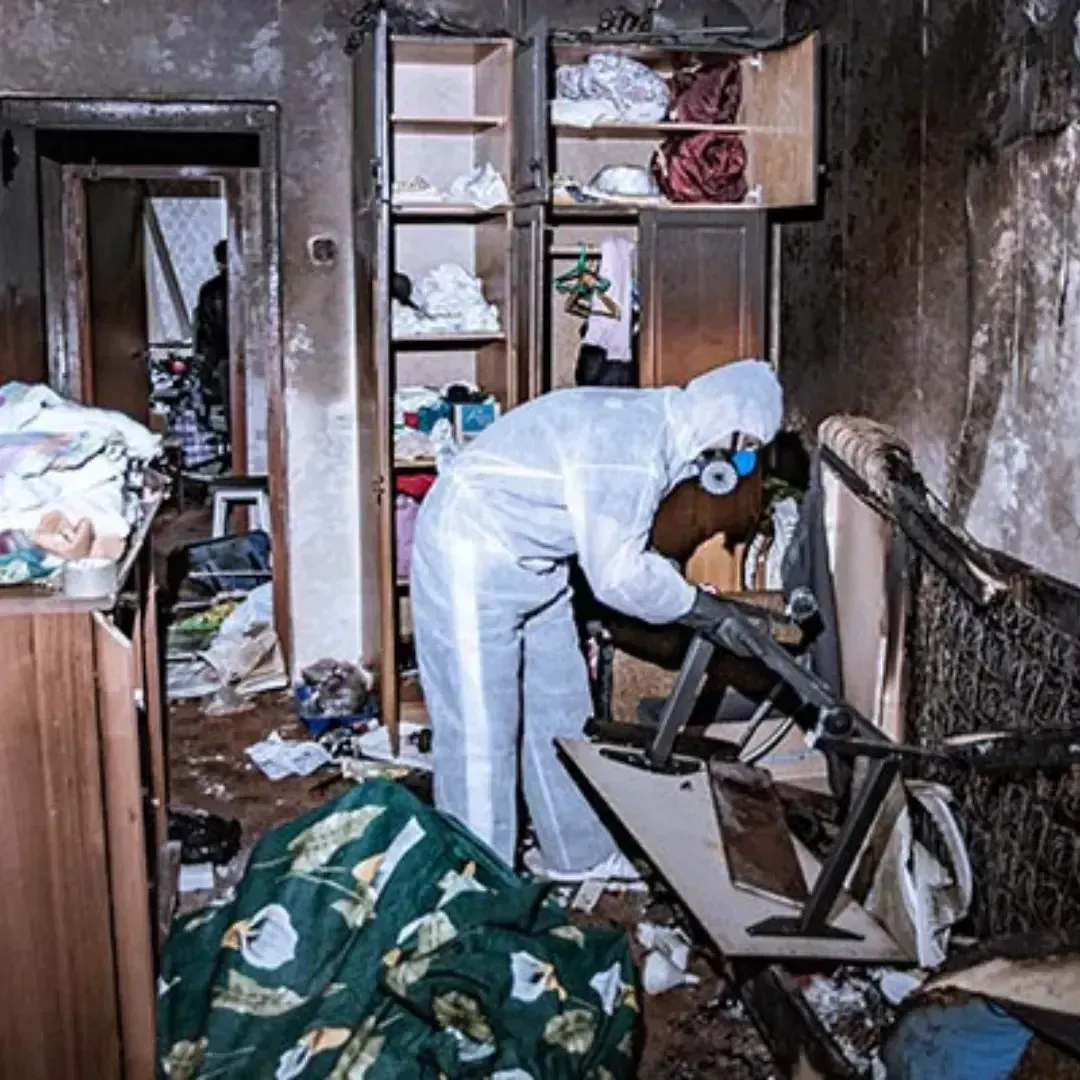
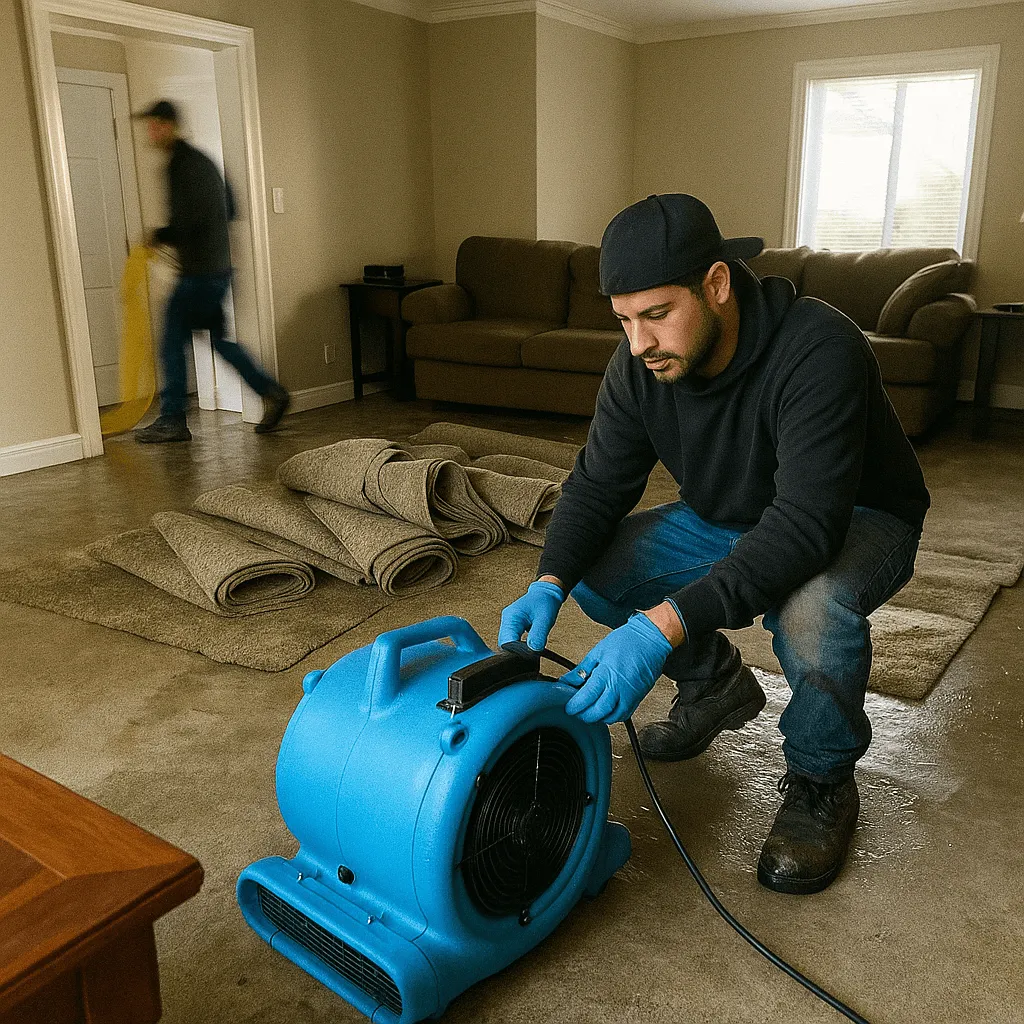
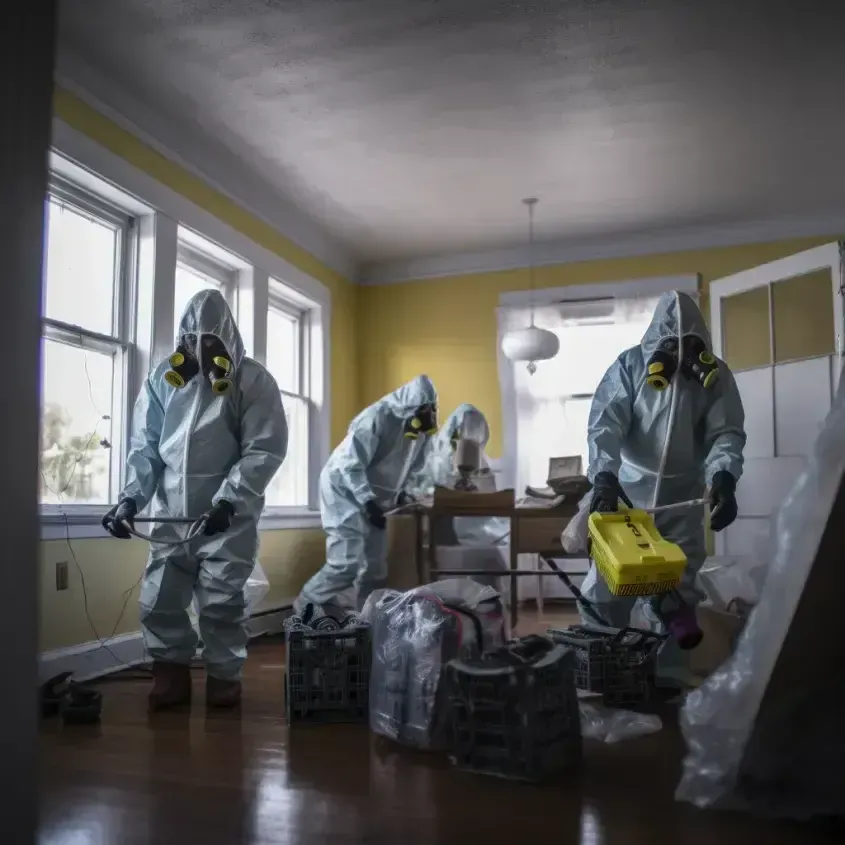
OUR SERVICES
Frequently Asked Questions
1. What types of damage restoration services do you provide?
We specialize in water damage, fire and smoke restoration and biohazard cleanup for both homes and businesses.
2. How quickly can your team respond in an emergency?
We offer fast 24/7 emergency response, day or night. 77 Rapid Restore is licensed, bonded, insured and IICRC-certified, and we bill your insurance company directly.
3. Do you work with insurance companies?
Yes, we work directly with most major insurance carriers to simplify the claims process for you.
4. Can fire and smoke odors be fully removed?
Absolutely. We use advanced cleaning methods, air scrubbers, and deodorization techniques to eliminate smoke odors completely.
5. What should I do first if I have water damage?
Turn off the water source if possible, then contact us right away. The sooner we begin water extraction and drying, the less damage your property will suffer.
6. How long does restoration usually take?
It depends on the extent of the damage. Minor water jobs may take 1–3 days, while large fire or remediation projects can take a week or more.
7. What is biohazard cleanup?
Biohazard cleanup includes the safe removal of dangerous substances such as blood, bodily fluids, or hazardous materials. We follow strict safety protocols to protect your health.
8. Do you offer both residential and commercial restoration services?
Yes, we provide full restoration services for homes, offices, schools, retail spaces, and other commercial buildings.
9. Why should I choose your company for restoration?
We combine years of experience, state-of-the-art equipment, and a commitment to customer satisfaction. Plus, we’re available 24/7 to restore your property quickly and safely.
GET IN TOUCH
We’re Ready to Restore Your Home or Business.
Whether it’s water damage from a burst pipe, dangerous fire and smoke damage, or hazardous cleanup, our restoration specialists are here to help.
Fill out the form, and our team will reach out quickly to assess your situation, explain your options, and provide a safe, fast, and effective solution to restore your home or business back to normal.
Office Location
Van Nuys, Los Angeles California 91406
We provide fast, reliable restoration for water, fire and biohazard damage—bringing your property back to normal.
Contact Now
Office Location
Van Nuys, Los Angeles California 91406
Reach Out To Us
Follow Us


