

Anytime Call
Drop Email Us
Office Location
Van Nuys, Los Angeles California 91406
Restoration Tips, Guides & Expert Advice
Home Restoration Blog & Resources
Explore practical tips, prevention guides, and expert insights on protecting your home from damage. Our blog helps homeowners understand common issues, avoid costly mistakes, and make informed decisions when restoration is needed.
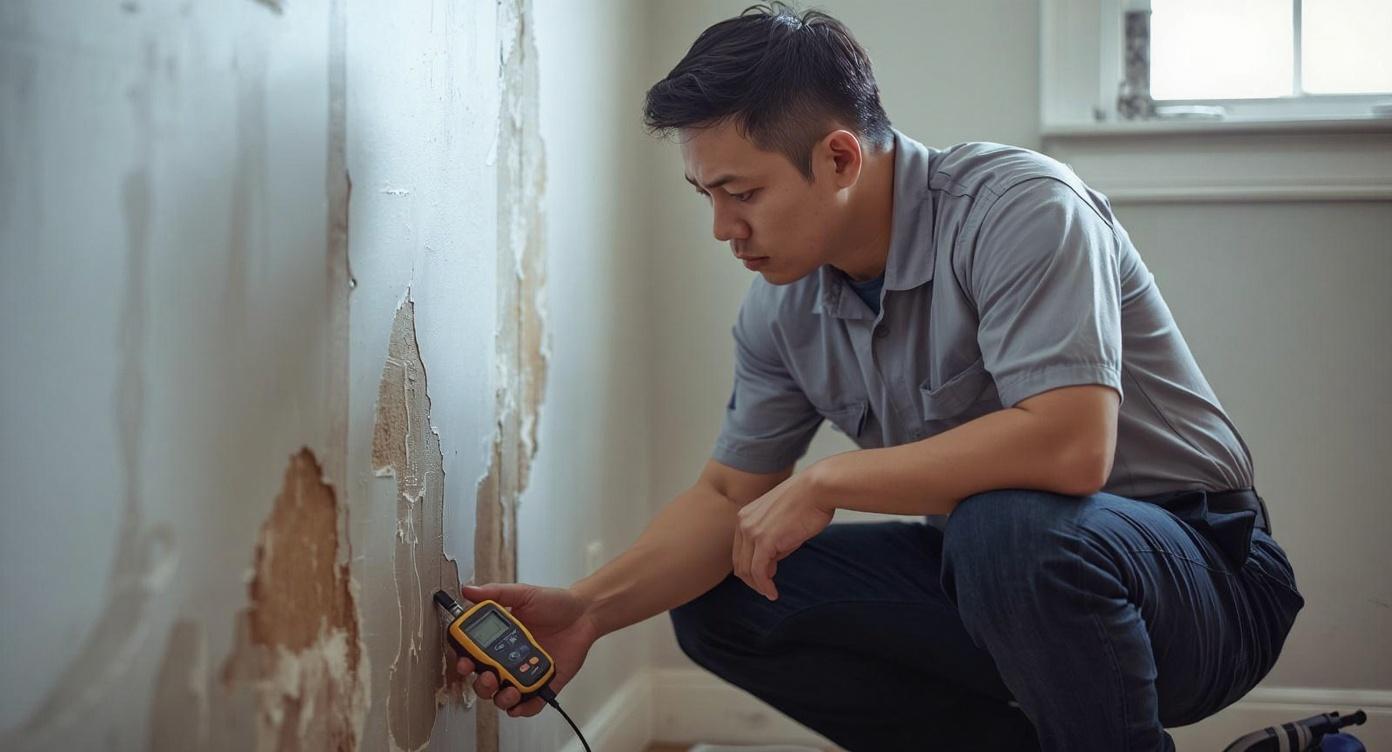
Water Mitigation vs. Water Damage Restoration
TLDR: Too Long, Don't Read
Water mitigation and water restoration are different processes. Mitigation happens immediately after water damage to stop further damage through water extraction, drying, and emergency stabilization. Restoration comes later and repairs the damage, replacing materials and returning your property to pre-damage condition. Mitigation takes hours to days; restoration takes weeks to months. Both are necessary for complete recovery. Professional services handle both processes from start to finish.
Dealing with water damage in your home can leave you feeling overwhelmed.
One moment, everything is as it should be. The next, you are dealing with the stress and urgency of water-related damage threatening your living space.
As you navigate this unexpected challenge, it helps to understand two essential steps toward recovery: water damage mitigation and water damage restoration.
While they may appear similar at first glance, these processes serve distinct purposes. They play unique roles in getting your home back to normal.
This blog clarifies what each entails and how they work together to return your home to its former condition.
For immediate professional water damage services throughout Greater Los Angeles, visit our Google Business Profile or contact 77 Rapid Restore now for 24/7 emergency response.
What Is Water Damage Mitigation?
Water mitigation is the process of reducing and preventing further property damage immediately after a water-related incident.
Think of it as emergency first aid for your home.
It is especially crucial after events such as:
Floods
Burst pipes
Roof leaks
Sewage backups
Appliance failures
These can quickly cause extensive damage within hours if not addressed immediately.
The Fundamental Processes in Water Damage Mitigation
Water Extraction
Removing standing water using industrial pumps and powerful vacuums. This stops water from penetrating deeper into materials.
Drying and Dehumidification
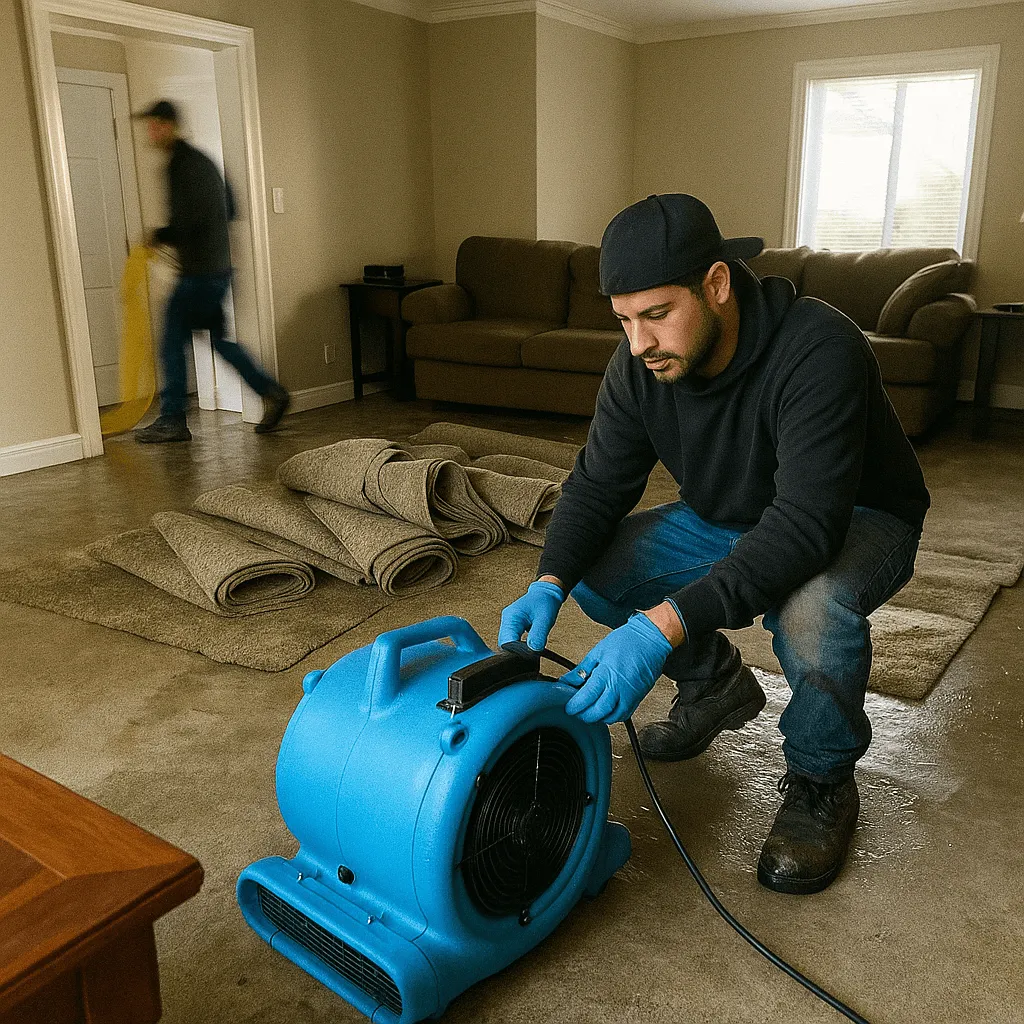
Using commercial-grade dehumidifiers and high-velocity air movers to dry affected areas. This prevents mold growth and additional material damage.
Mold Prevention
Applying antimicrobial treatments to prevent mold colonization. This protects indoor air quality and prevents health hazards.
Emergency Property Protection
Boarding up windows and doors if necessary. Installing tarps on damaged roofs. Creating barriers to protect against further damage.
Moisture Detection
Using thermal imaging and moisture meters to identify hidden water in walls, floors, and structural cavities.
Why Mitigation Matters
Proper water damage mitigation helps minimize losses and facilitates a more efficient restoration process.
Time is critical. The longer water sits, the more damage occurs. Mitigation stops the clock on progressive damage.
Throughout Los Angeles homes in Van Nuys, Sherman Oaks, and North Hollywood, quick mitigation response prevents:
Structural deterioration
Mold growth
Secondary water damage
Higher restoration costs
What Is Water Damage Restoration?
If mitigation is all about preventing further damage, water restoration concentrates on repairing and restoring a property to its pre-damage condition.
Think of it as the rebuilding and healing phase.
Its goal is to ensure the property is safe, functional, and habitable again. This makes it essential after flooding, prolonged leaks, or significant water intrusion from storms.
Water Restoration Typically Involves
Debris Removal
Removing damaged and unsalvageable materials including drywall, flooring, and insulation. This clears the way for repairs.
Cleaning and Sanitizing
Treating affected areas to remove contaminants and prevent mold growth. All surfaces receive thorough decontamination.
Repairs and Restoration
Repairing and replacing damaged structures such as:
Walls
Floors
Ceilings
Cabinets
Trim and baseboards
Restoring the property to its pre-damaged state.
Reconstruction
In cases of severe damage, entire rooms or sections require complete reconstruction. This includes:
New framing
Electrical rewiring
Plumbing replacement
HVAC system repairs
Final Finishing
Painting, flooring installation, and finish work that returns your home to move-in condition.
Water Mitigation vs. Water Restoration: What's the Difference?
While mitigation and restoration are complementary, each serves a unique purpose in the recovery process.
Understanding these differences helps you know what to expect during the recovery timeline.
1. Purpose and Focus
Water Damage Mitigation:
The primary purpose is to prevent further damage immediately after the incident occurs.
It is an emergency response that focuses on:
Stabilizing the situation
Salvaging belongings that can be saved
Reducing the overall impact of damage
Preventing secondary damage like mold
Water Damage Restoration:
The purpose is to repair and restore your property to its pre-damage condition.
This process focuses on:
Fixing structural damage
Replacing damaged materials
Addressing secondary issues like mold
Returning property to full functionality
Key Difference: Mitigation is defensive (stopping damage). Restoration is reconstructive (fixing damage).
2. Scope of Work
Water Damage Mitigation Scope:
Generally more immediate and involves emergency steps:
Water extraction
Dehumidification
Emergency board-up
Tarp installation
Creating barriers against water intrusion
Antimicrobial application
Content pack-out (if needed)
The work is urgent and tactical.
Water Damage Restoration Scope:
Encompasses a broader scope beyond emergency response:
Installing new drywall
Replacing flooring
Electrical system repairs
Plumbing repairs or replacement
Cabinet installation
Painting and finishing
Complete room reconstruction (if needed)
The work is comprehensive and detailed.
Key Difference: Mitigation scope is limited to emergency stabilization. Restoration scope covers complete property repair.
3. Timing
Water Damage Mitigation Timing:
Timing is critical. The sooner the process begins, the more damage can be prevented.
Water damage mitigation should start within 24 to 48 hours after damage occurs to avoid further issues.
Why 24 to 48 hours matters:
Mold begins growing within this timeframe
Materials absorb more water over time
Structural damage accelerates
Costs increase exponentially with delay
Water Damage Restoration Timing:
Restoration follows after mitigation and can take place once the property is stable and free from immediate threats.
The timing here depends on:
Extent of damage
Scope of repairs required
Material availability
Contractor scheduling
It is generally not as time-sensitive as mitigation, though delays can extend displacement time.
Key Difference: Mitigation is time-critical (hours matter). Restoration has more flexible timing (days or weeks).
4. Duration
Water Damage Mitigation Duration:
A relatively short-term process, typically lasting from a few hours to a few days, depending on damage severity.
Typical timelines:
Small leak: 1 to 2 days
Moderate flooding: 3 to 5 days
Extensive water damage: 5 to 7 days
The focus is on quick and efficient action to prevent further damage and stabilize the property.
Water Damage Restoration Duration:
Often takes several weeks to months to complete.
Typical timelines:
Minor repairs: 1 to 2 weeks
Moderate damage: 3 to 6 weeks
Major reconstruction: 2 to 4 months
Severe damage: 4 to 6+ months
After all, it involves detailed work to repair the property and ensure it is safe, functional, and visually appealing.
The duration depends on:
Extent of damage
Complexity of repairs needed
Material availability
Permit requirements
Insurance processing time
How to speed up restoration:
Partnering with a full-service water damage restoration team can speed up the process. They have the expertise to work efficiently and handle all necessary repair work themselves, eliminating coordination with multiple contractors.
Key Difference: Mitigation is measured in days. Restoration is measured in weeks or months.
How They Work Together
Water mitigation and restoration are not alternatives. They are sequential steps in complete recovery.
The Complete Recovery Timeline:
Phase 1: Emergency Response (Hours 0 to 2)
Initial assessment
Water source identification
Emergency water extraction begins
Phase 2: Mitigation (Days 1 to 7)
Complete water extraction
Structural drying
Dehumidification
Mold prevention
Content protection
Phase 3: Assessment and Planning (Days 5 to 10)
Damage documentation
Insurance coordination
Restoration planning
Material ordering
Phase 4: Restoration (Weeks 2 to 8+)
Demolition of damaged materials
Structural repairs
Reconstruction
Final finishing
Phase 5: Completion and Verification
Final inspection
Quality assurance
Documentation for insurance
Property returned to owner
Both processes require professional expertise, specialized equipment, and industry knowledge.
Why Professional Services Matter
Attempting DIY mitigation or restoration creates serious risks:
❌ Incomplete water extraction leaving hidden moisture
❌ Improper drying leading to mold growth
❌ Missed structural damage creating safety hazards
❌ Inadequate repairs requiring future rework
❌ Insurance claim complications from poor documentation
Professional services provide:
✓ Industrial-grade equipment for thorough water extraction
✓ Commercial dehumidification ensuring complete drying
✓ Moisture detection technology finding hidden water
✓ Mold prevention protocols protecting health
✓ Complete restoration services from start to finish
✓ Insurance coordination and documentation
✓ Licensed and certified technicians
✓ Quality guarantees on all work
Los Angeles Water Damage Considerations
Greater Los Angeles properties face unique challenges affecting both mitigation and restoration:
Aging infrastructure: Many homes in Van Nuys, Sherman Oaks, and North Hollywood have older plumbing prone to failures.
Seismic activity: Earthquakes can damage water lines and compromise waterproofing.
Intense storms: Winter rainfall events can overwhelm drainage systems.
Older construction: Historic materials require specialized restoration approaches.
Building codes: All restoration work must meet current California building codes.
Local expertise ensures appropriate responses to regional challenges.
Overcome Water Damage With 77 Rapid Restore
Navigating the aftermath of water damage can be stressful. Knowing these key distinctions helps ease the situation and makes your path to recovery clearer.
Whether you are dealing with the initial shock of water damage or are ready to embark on the restoration phase, it is crucial that you work with professionals who understand the nuances of each step.
This is where 77 Rapid Restore comes in.
Our Complete Water Damage Services:
Emergency Mitigation Services:
24/7 emergency response
Industrial water extraction
Commercial structural drying
Mold prevention protocols
Emergency board-up and tarping
Content pack-out and storage
Complete Restoration Services:
Structural repairs and reconstruction
Drywall replacement and finishing
Flooring installation
Electrical and plumbing repairs
Cabinet and trim work
Painting and final finishing
Additional Support:
Insurance coordination
Detailed documentation
Licensed and IICRC-certified technicians
Single-source accountability
Service Areas: Van Nuys, Sherman Oaks, North Hollywood, Encino, Burbank, Glendale, Pasadena, and all of Greater Los Angeles.
Location: 7430 Valjean Ave, Van Nuys, CA 91406
Get Expert Help Now
Getting back up after a water event does not have to be overwhelming.
With expertise in both water damage mitigation and water damage restoration, we handle everything from start to finish.
Best of all, we are here to offer the support, knowledge, and hands-on assistance you need to navigate the complexities of water damage recovery.
Don't wait for water damage to worsen.
Contact 77 Rapid Restore today or visit our Google Business Profile to discuss how we can assist in your mitigation and restoration needs.
Available 24/7 for emergency response throughout Los Angeles County.

OUR SERVICES
Frequently Asked Questions
1. What types of damage restoration services do you provide?
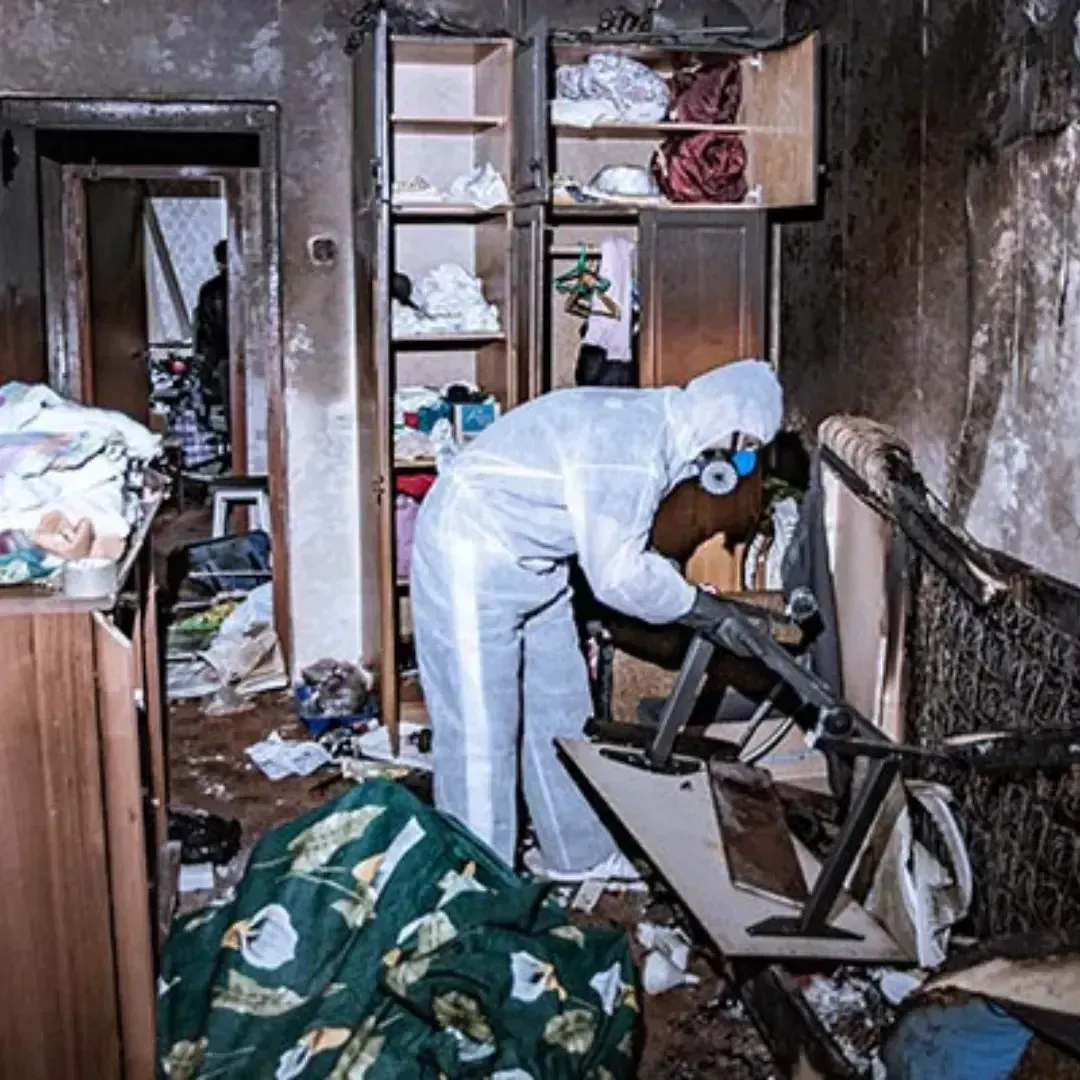
We specialize in water damage, fire and smoke restoration and biohazard cleanup for both homes and businesses.
2. How quickly can your team respond in an emergency?
We offer 24/7 emergency response and aim to be on-site within 60 minutes or less, depending on your location.
3. Do you work with insurance companies?
Yes, we work directly with most major insurance carriers to simplify the claims process for you.
4. Can fire and smoke odors be fully removed?
Absolutely. We use advanced cleaning methods, air scrubbers, and deodorization techniques to eliminate smoke odors completely.
5. What should I do first if I have water damage?
Turn off the water source if possible, then contact us right away. The sooner we begin water extraction and drying, the less damage your property will suffer.
6. How long does restoration usually take?
It depends on the extent of the damage. Minor water jobs may take 1–3 days, while large fire or remediation projects can take a week or more.
7. What is biohazard cleanup?
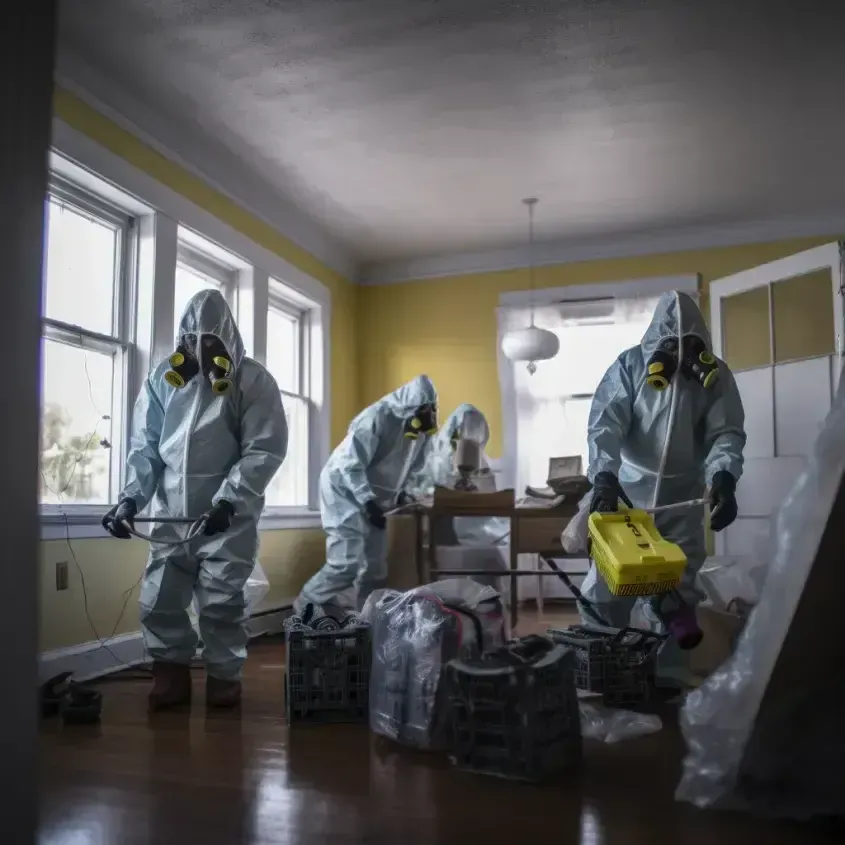
Biohazard cleanup includes the safe removal of dangerous substances such as blood, bodily fluids, or hazardous materials. We follow strict safety protocols to protect your health.
8. Do you offer both residential and commercial restoration services?
Yes, we provide full restoration services for homes, offices, schools, retail spaces, and other commercial buildings.
9. Why should I choose your company for restoration?
We combine years of experience, state-of-the-art equipment, and a commitment to customer satisfaction. Plus, we’re available 24/7 to restore your property quickly and safely.
GET IN TOUCH
We’re Ready to Restore Your Home or Business.
Whether it’s water damage from a burst pipe, dangerous fire and smoke damage, or hazardous cleanup, our restoration specialists are here to help.
Fill out the form, and our team will reach out quickly to assess your situation, explain your options, and provide a safe, fast, and effective solution to restore your home or business back to normal.
Office Location
Van Nuys, Los Angeles California 91406
We provide fast, reliable restoration for water, fire and biohazard damage—bringing your property back to normal.
Contact Now
Office Location
Van Nuys, Los Angeles California 91406
Reach Out To Us
Follow Us


