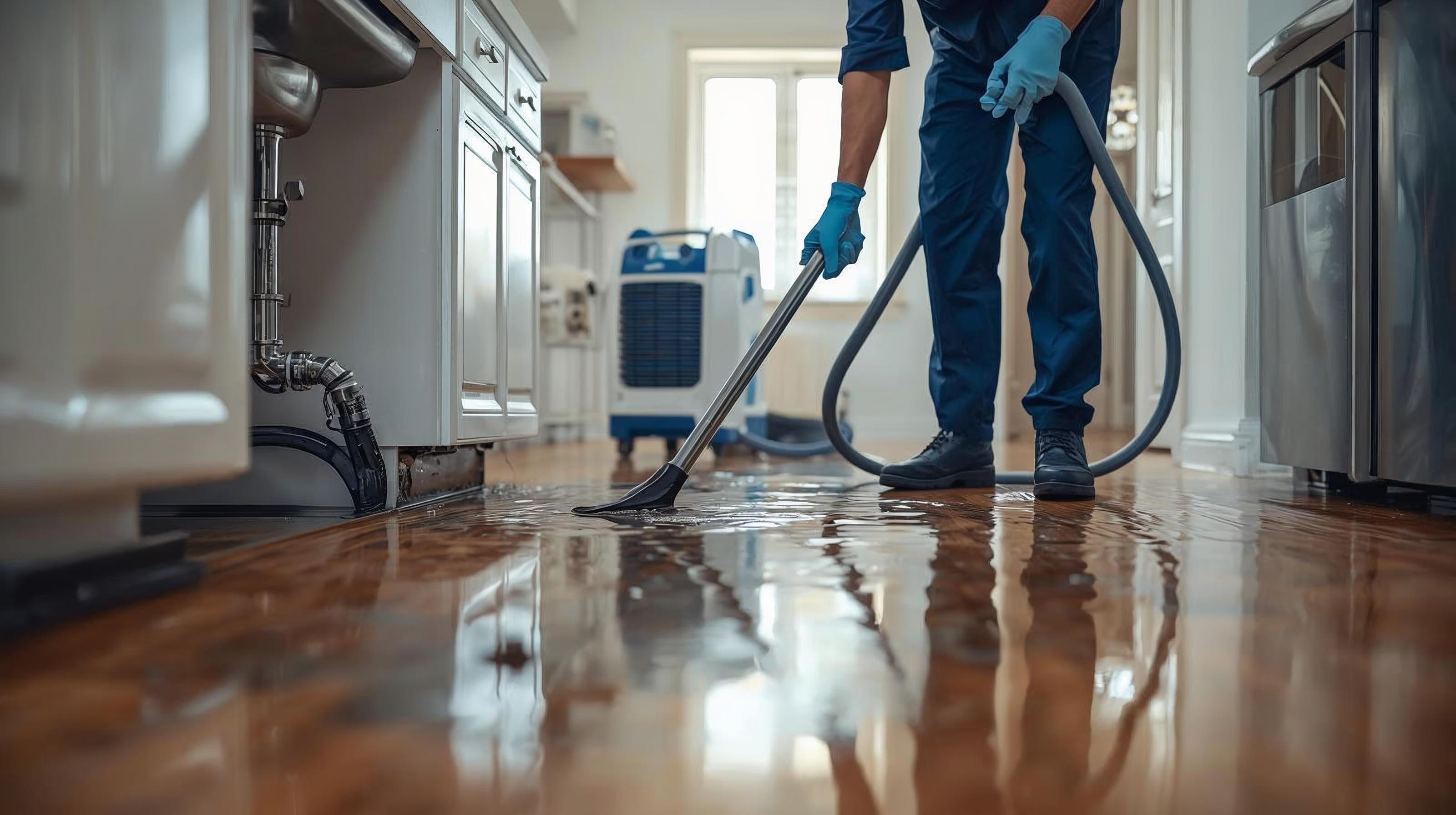
Does Homeowners Insurance Cover Water Damage?
Water damage strikes without warning, leaving homeowners scrambling to protect their property and finances. The critical question is: does homeowners insurance cover water damage? The answer depends on the source of the water, how the damage occurred, and your policy's specific terms. Understanding these distinctions can mean the difference between a covered claim and thousands in out-of-pocket expenses. 77 Rapid Restore helps Van Nuys and Los Angeles homeowners navigate water emergencies with professional restoration services.
Water damage spreads rapidly through building materials, compromising structural integrity within hours. If you're facing water intrusion or burst pipes, Contact our certified restoration team at 77 Rapid Restore.
Understanding What Homeowners Insurance Covers
Water damage ranks among the most frequent insurance claims in the United States, yet many policies exclude common water-related incidents. Standard homeowners insurance typically covers sudden and accidental water damage, events that happen unexpectedly without warning or neglect. The key distinction is whether the damage was preventable through proper home maintenance.
What's Usually Covered
Burst pipes and plumbing failures: When pipes burst unexpectedly due to freezing temperatures or high water pressure, homeowners' insurance generally covers both the repair and resulting water damage.
Sudden appliance malfunctions: Water heaters, washing machines, and dishwashers that leak without warning typically qualify as covered events, provided regular maintenance was performed.
Storm-damaged roofs: Wind or hail that damages your roof and allows rainwater to enter usually qualifies for coverage, including roof repairs and interior restoration.
Fire suppression water damage: Water from firefighting efforts or sprinkler discharge receives coverage under most standard policies.
What's Not Covered
Insurance companies exclude water damage that develops gradually or results from inadequate maintenance. Common exclusions include slow plumbing leaks, foundation cracks causing seepage, clogged gutters, drain backups, mold from long-term moisture, and external flooding. Insurers classify these as preventable, making regular home inspections crucial for protecting your coverage.
Common Water Damage Scenarios and Insurance Coverage
Understanding how insurance companies evaluate different water damage scenarios helps homeowners respond appropriately. The cause, timing, and documentation all influence coverage decisions.
Burst Pipes and Sudden Leaks
Frozen pipes that burst overnight or corroded connections that fail suddenly typically receive coverage. However, if evidence suggests you failed to maintain adequate heating or ignored warning signs, your claim may face denial. Proper winterization and regular plumbing inspections strengthen your position.
Roof and Window Leaks
Storm damage that compromises your roof generally qualifies for coverage, including shingles torn off by wind or hail damage creating entry points for water. If your roof was already deteriorating before the storm, adjusters may classify the damage as pre-existing and deny coverage.
Appliance and HVAC Failures
When water-using appliances fail suddenly, homeowners insurance typically covers the damage. A water heater rupture or dishwasher hose burst usually qualifies as covered. However, failures due to age or lack of maintenance may not receive full coverage.
Overflowing Fixtures and Drain Backups
Water overflow from bathtubs, sinks, or toilets may qualify if truly accidental. However, most policies exclude water backup from sewer lines unless you purchase a water backup endorsement. This inexpensive addition can save thousands during sewer backups or sump pump failures.
At 77 Rapid Restore, located at 7430 Valjean Ave in Van Nuys, we respond to water emergencies throughout Los Angeles County. Our rapid response minimizes damage, prevents mold growth, and maximizes property recovery.
The Role of Flood Insurance
A common misconception is that standard insurance covers flooding. It doesn't. Flood damage requires separate flood insurance through the National Flood Insurance Program (NFIP) or private insurers.
What Counts as a Flood?
Insurance companies define flooding as water entering your property from external sources, affecting the ground and two or more properties or acres. Common causes include heavy rainfall overwhelming drainage, rivers overflowing, rapid snowmelt, storm surge, and groundwater rising after prolonged precipitation.
Los Angeles County experiences diverse flood risks. Areas near the Los Angeles River in Van Nuys, neighborhoods in Sherman Oaks, and communities throughout Burbank face periodic flash flooding during intense storms. Flood insurance provides essential protection standard policies don't offer.
Why Professional Restoration Matters
Insurance coverage is crucial, but it doesn't restore your property. Professional companies like 77 Rapid Restore perform water extraction, drying, sanitization, and restoration. We don't handle insurance claims, we restore your property using commercial-grade equipment and moisture detection technology.
How to Handle Water Damage Quickly and Effectively
Speed determines outcomes in water damage situations. Every hour increases damage severity, restoration costs, and health risks. Follow these steps to protect your property.
1. Stop the Water Source
Shut off your main water supply if internal plumbing caused the damage. For roof leaks or broken windows, use tarps or plastic sheeting to prevent additional intrusion.
2. Document Everything Thoroughly
Photograph and video all damaged areas including walls, ceilings, floors, and personal property. Create a written inventory with descriptions and approximate values. This documentation supports your claim.
3. Contact Your Insurance Company Immediately
Report water damage as soon as possible. Most policies require notification within 24-48 hours. While 77 Rapid Restore doesn't handle claims, our professional services create documentation that strengthens your submission.
4. Begin Professional Water Restoration Without Delay
Water damage escalates exponentially. Within 24 hours, mold spores colonize damp materials. Within 48-72 hours, structural damage becomes significant. Certified professionals use specialized equipment to extract water, measure moisture levels, and prevent secondary damage.
5. Implement Preventive Measures
Schedule annual plumbing inspections, replace old supply lines, maintain your roof and gutters, and consider water leak detection systems. Preventive maintenance costs far less than emergency restoration.
Why Choose 77 Rapid Restore
Homeowners throughout Van Nuys, Sherman Oaks, Burbank, and North Hollywood trust 77 Rapid Restore for professional restoration services. Our local team understands Southern California's unique property challenges.
What makes 77 Rapid Restore your best choice:
24/7 emergency response: Our crews respond immediately to emergencies, day or night, weekends and holidays.
Advanced extraction technology: We use professional-grade equipment that removes water faster and prevents mold growth more effectively.
IICRC-certified technicians: Our specialists hold industry certifications in water damage restoration, structural drying, and mold remediation.
Comprehensive services: From water extraction through final reconstruction, we handle every phase including water, fire, and mold restoration.
Local expertise: As a Van Nuys-based company, we understand local building codes and regional insurance requirements, resulting in smoother projects and better outcomes.
Frequently Asked Questions About Water Damage and Insurance
Does homeowners insurance cover water damage from rain?
Coverage depends on how rain entered your property. If a sudden storm damaged your roof or broke a window, most policies provide coverage. However, if rain entered through pre-existing deterioration or maintenance issues, insurers typically deny coverage.
Will my insurance cover a burst pipe leak?
Yes, in most cases. Sudden pipe bursts qualify as covered events. However, if the pipe failed due to obvious corrosion or ignored deterioration, coverage may be limited. Document your maintenance and address issues promptly.
Does insurance cover basement flooding from heavy rain?
Standard homeowners insurance does not cover flooding from external sources. Basement flooding requires separate flood insurance. This distinction surprises many homeowners. If your property has flood risk, flood insurance provides essential protection.
Can mold damage from water be covered by insurance?
If mold results directly from covered water damage and you take immediate drying steps, many insurers cover remediation up to policy limits. However, mold from long-term moisture or delayed response is excluded. Rapid response is key, calling 77 Rapid Restore immediately gives you the best chance of preventing mold.
How quickly must I report water damage to my insurance company?
Most policies require notification within 24-72 hours after discovery. However, specific language varies. Contact your insurer as soon as possible. Delayed reporting can provide grounds for denial, even if damage would otherwise be covered.
Water damage requires immediate professional attention to minimize property damage and preserve insurance options. Contact 77 Rapid Restore today for expert water, mold, and fire restoration throughout Van Nuys, Sherman Oaks, Burbank, North Hollywood, and Greater Los Angeles. Our certified technicians are available 24/7 to protect your property and support your recovery.
